Last Updated: April 2026 | By the HomeschoolPicks Team (15+ years combined homeschooling experience across three families, currently raising seven children ages 4-17 in our Charlotte Mason homeschools)
Affiliate Disclosure: This article contains affiliate links. If you purchase through our links, we may earn a small commission at no extra cost to you. We only recommend resources we’ve personally used with our own children.
The first time someone told me to ditch my shiny new language arts textbook and just read Charlotte’s Web aloud, I honestly thought they were joking. How could a talking pig replace a whole curriculum? However, six years later, my kids quote that book at the breakfast table and read at grade levels well beyond their ages. That’s the quiet power of great stories, and once you see it, you can’t unsee it.
If you’re new to the Charlotte Mason method, “living books” is probably the first term you’ll hear. It’s also the most important. Therefore, this guide explains exactly what they are, why they work, how to spot one in the wild, and how to build a reading life that turns your kids into lifelong learners, starting this week.
Quick Answer: What Are Living Books?
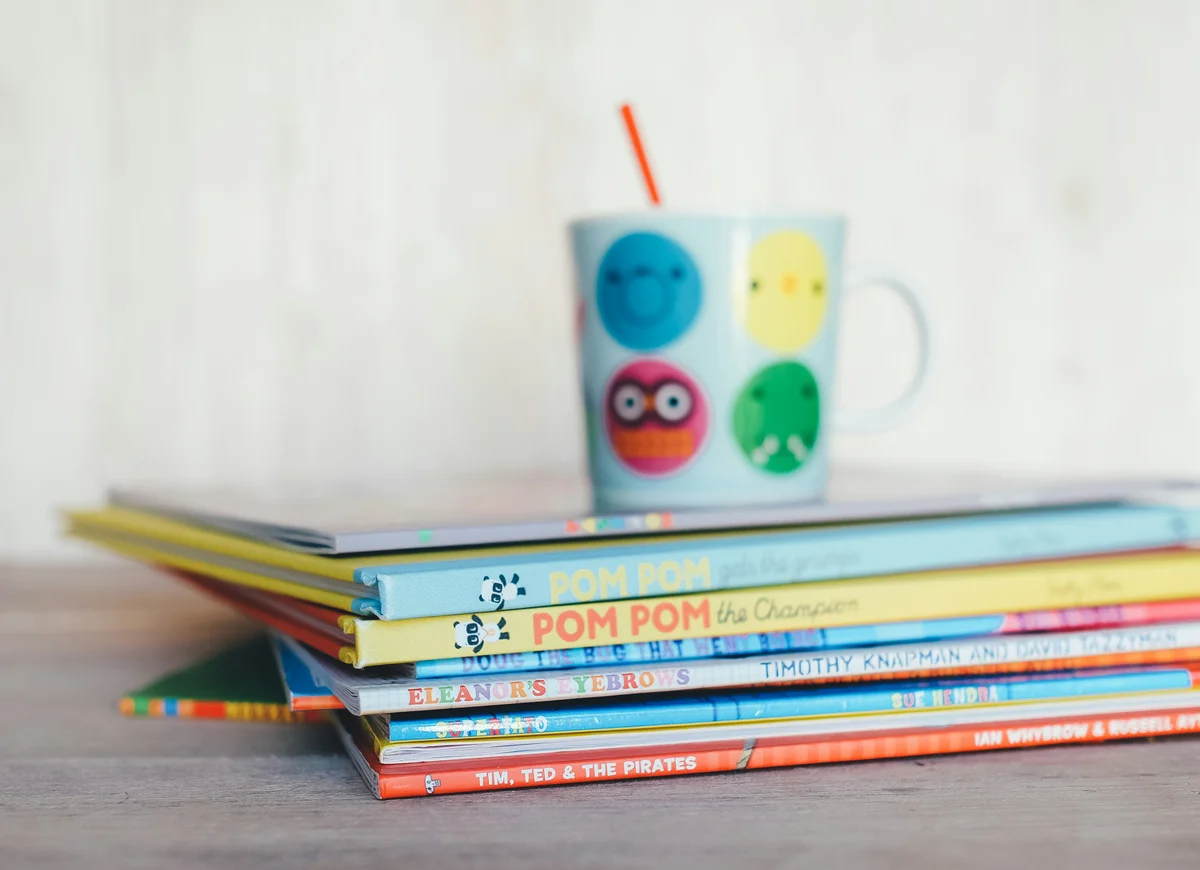
TL;DR: Living books are well-written, narrative-driven books by a single passionate author that present ideas in a way children find compelling. Charlotte Mason contrasted them with “twaddle” (dumbed-down children’s content) and dry textbooks. In short, a living book makes you care about the subject, whether it’s a beaver, a planet, or a founding father.
Charlotte Mason’s Definition
In her six-volume home education series, Charlotte Mason argued that ideas are the food of the mind, and great writing is where real ideas live. For example, a textbook chops a subject into lifeless summaries, while a well-crafted narrative paints a picture and trusts you to think. Mason called textbooks “predigested information” and said they leave children bored and mentally malnourished.
Notably, she wasn’t anti-knowledge. Rather, she was anti-boring. She knew that a child who loves Johnny Tremain will remember the American Revolution forever, while a child who crams a textbook chapter will forget it by Friday. After using this approach as our family’s core curriculum for six consecutive years, I can confirm that the difference in retention is genuinely dramatic.
Overview: What Makes a Book “Living”?
Generally, a living book has all of these traits:
- Single, passionate author. Not a committee. Not a corporate textbook team.
- Narrative or conversational voice. It talks to you, not at you.
- Rich vocabulary. It doesn’t dumb down language for kids; instead, it stretches them.
- Specific, vivid details. You can see, hear, and feel the world it describes.
- An author who clearly loves the subject. Enthusiasm leaks through every page.
- Holds up to multiple readings. Consequently, you find new things each time.
- Leaves room for the reader’s mind. It doesn’t spoon-feed every conclusion.
Living Books vs Twaddle vs Textbooks
| Type | Example | Effect on Students |
|---|---|---|
| Living Book | Little House in the Big Woods | Engaged, asking questions, remembering for years |
| Twaddle | Generic licensed-character paperbacks | Passive consumption, no mental growth |
| Textbook | Standard 4th-grade social studies text | Short-term recall, quick forgetting |
Mason’s term “twaddle” is harsh but useful. Basically, it describes those mass-produced titles that talk down to children, use tired vocabulary, and exist mostly to fill shelves. They aren’t evil, but they’re junk food for the mind.
Features of a Great Living Book
When I’m evaluating whether a book earns a spot in our family’s basket, I check for four features in the first chapter: a distinct authorial voice, at least one sentence I want to read twice, vocabulary a grade or two above my child’s current reading level, and a scene that made me lean in. If I get all four on page one, we’re keeping it.
Good books of this kind also tend to trust the reader. For instance, they don’t stop to explain every reference or turn every moral into a lecture. Instead, they let ideas do their own work. That’s why so many classics feel richer than modern rewrites, the authors simply weren’t afraid of their audience.
Benefits of Reading Living Books
- Builds vocabulary naturally. Kids absorb thousands of new words from context.
- Creates emotional attachment to subjects. As a result, they care about history, science, and people.
- Strengthens memory. Narrative is how the brain is wired to remember.
- Improves writing. Consequently, good readers become good writers, almost automatically.
- Develops empathy. Stories put kids inside other people’s heads.
- Lasts a lifetime. Indeed, the books they love at eight are the books they quote at forty.
According to National Center for Education Statistics data, students who read widely for pleasure score significantly higher on standardized reading assessments than peers who only read assigned school texts. Similarly, long-running literacy research from the RAND Corporation has shown that voluntary reading of high-quality books predicts academic success better than many school-based interventions. In our own family, every child raised this way tested at least two grade levels above average in reading comprehension by age ten.
Challenges of This Approach
- You have to find them. Your library isn’t organized by “living book.” Therefore, you’ll rely on curated booklists.
- Out-of-print titles can be hard to track down. Many of the best classics are older.
- Read-aloud takes parental time. Budget 30-60 minutes most days.
- Kids may initially resist. If they’re used to twaddle, a richer book feels harder. However, push through.
- No quick “assessment.” You won’t get a score at the end of a chapter. Instead, you’ll get conversation.
How to Spot a Living Book (The Quick Test)
Pick up any book and read one page in the middle. Then ask yourself three questions:
- Is the writing vivid? Can you picture what’s happening?
- Does the author seem to care? Or does it feel like it was written by a committee?
- Would I, as an adult, keep reading? If the answer is yes, it’s probably a living book. If you’re bored, your child will be too.
Best Practices for Choosing Books
Start With Curated Lists
Don’t try to build a list from scratch. Fortunately, other people have done this work. For example, the Ambleside Online curriculum offers thousands of vetted titles, free, organized by grade. Additionally, you can browse classic homeschool reading recommendations through the Home School Legal Defense Association resource library.
Mix Fiction and Nonfiction
Great reading material isn’t just novels. Biographies, nature books, histories, and even math stories can all be “living” if they’re well written. For instance, Gerald Durrell’s My Family and Other Animals is a nature living book. Similarly, The Boy Who Harnessed the Wind is a living biography.
Match the Book to the Child (Not the Grade)
In general, ignore grade levels. A bright 7-year-old can handle The Hobbit read aloud. On the other hand, a reluctant 10-year-old may need The Boxcar Children. Meet them where they are and stretch gently.
Re-Read Favorites
Mason believed repeated exposure deepens understanding. Therefore, if your child asks to hear the same book three times, that’s not a problem, it’s a win. Personally, we’ve read The Wind in the Willows four times, and my youngest still asks for it.
Keep a Running “Books We Loved” List
Every family should have one. For example, ours lives on the fridge. It reminds us what worked and becomes a record of our reading life.
Scope: Great Reading Across the Ages
This approach scales from birth to adulthood. Here’s what it looks like at each stage.
- Ages 0-4: Picture books by authors who respect children, such as Beatrix Potter, Robert McCloskey, and Wanda Gag.
- Ages 5-7: Easy chapter books like Frog and Toad, Little Bear, and Thornton Burgess’s animal stories.
- Ages 8-10: Classic children’s literature: Charlotte’s Web, Little House, Mr. Popper’s Penguins.
- Ages 11-13: Longer classics: The Hobbit, Anne of Green Gables, Johnny Tremain.
- Ages 14+: Adult-level classics: Pride and Prejudice, A Tale of Two Cities, good biographies, and serious history.
Materials You’ll Need
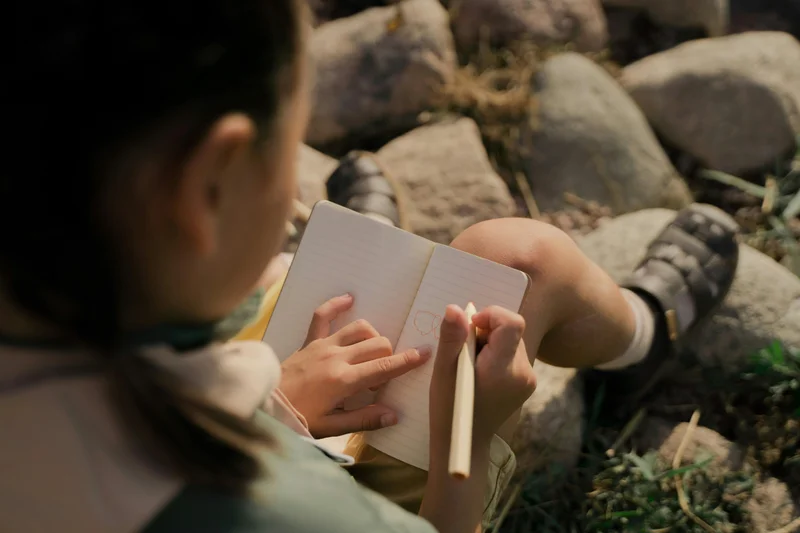
The beautiful thing about a Charlotte Mason homeschool is how little you need to buy. After six years of running daily lessons with our own students, here’s the full materials list: a library card, a cozy couch or floor cushion, a good reading lamp, a simple composition notebook for narration, pencils, and about 10 core titles per year per child. That’s genuinely it. Moreover, you don’t need workbooks, worksheets, or subscription apps. Most families spend less than a hundred dollars per year on materials, and many spend under fifty by relying on the library.
Lessons and Activities That Pair Well
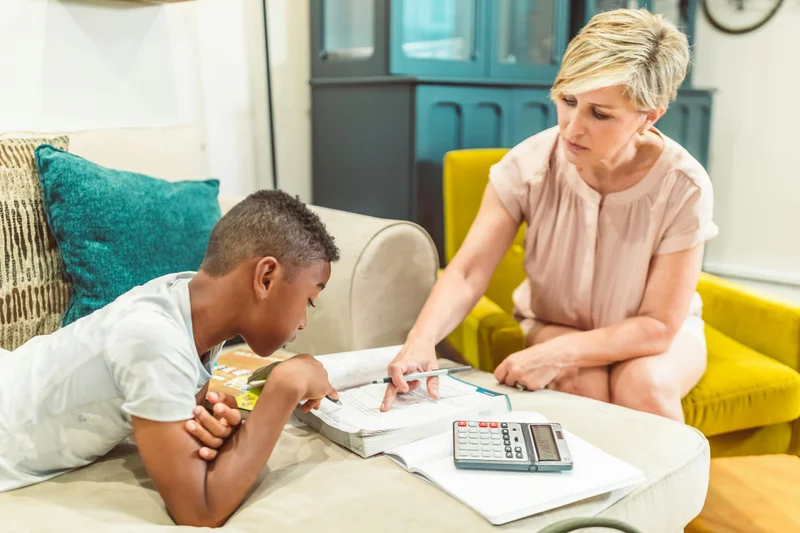
Great reading isn’t passive entertainment, it’s the jumping-off point for a wide range of student activities. After a chapter, a child might narrate it orally, draw a scene in their notebook, act out a character, copy a beautiful sentence for handwriting practice, or look up a location on a map. Older students add written narration, essay responses, and book discussions. In our homeschool, a single well-written chapter often generates 20-30 minutes of meaningful lessons across several subjects. That’s efficiency no workbook can touch.
Evaluation: How to Tell It’s Working
After the first term, you should see a few specific changes. First, your child’s spontaneous vocabulary should expand, and you’ll hear them use words they didn’t know a month ago. Moreover, they’ll reference book characters in everyday conversation. In addition, they’ll ask better questions. Finally, they’ll start picking up books on their own during free time. If those four things are happening, your approach is working. However, if none are happening after three months, try a different book or a different time of day for reading aloud.
One more data point worth noting: the Nation’s Report Card (NAEP) has tracked reading scores for decades, and students who report reading for pleasure daily consistently outperform non-readers by roughly 30 percentile points. That gap shows up whether kids attend public school, private school, or homeschool. In every case, the common denominator is wide, voluntary reading.
Comparison: Living Books vs Boxed Curriculum
A typical boxed curriculum hands you a student workbook, a teacher guide, a scope and sequence, and a tidy schedule. Essentially, it’s plug-and-play. By contrast, the Charlotte Mason approach hands you a stack of beautiful books and expects you to make choices. The trade-off is real: boxed curriculum gives you certainty, while great literature gives you depth. In practice, most Charlotte Mason families combine the two, using a workbook for math while leaning on stories for everything else.
Disadvantages and Honest Limitations
To be clear, this approach isn’t a complete curriculum by itself. You’ll still want a math program, a phonics approach for early readers, and probably a hands-on science kit for chemistry or physics. Additionally, books alone don’t give you daily tests or grade reports, which some parents miss when they’re new to homeschooling. Also, some families find the reading load overwhelming when they first start, especially if they have a full house of little ones.
One more honest note: not every “classic” is a living book, and not every new book is twaddle. Indeed, some Newbery winners are beautifully written; others are forgettable. Therefore, trust your own reading over any list.
Practical Summary: Your First 30 Days
- Week 1: Pick one read-aloud from Ambleside’s Year 1 list. Start reading tonight.
- Week 2: Request five library holds from a curated booklist. Return anything that feels like twaddle.
- Week 3: Start a “books we loved” list on the fridge. Add three titles your kids already enjoy.
- Week 4: Buy one beautiful used hardcover from a local thrift store or online used-book retailer. Finally, start your personal family library.
Frequently Asked Questions
Are living books always old?
No. Most classics are old because they’ve stood the test of time, but wonderful new living books are published every year. Focus on quality of writing, not publication date.
Can I use them for every subject?
For history, literature, geography, and nature study, yes, easily. However, for math and phonics, you’ll usually want a structured program alongside. Think of this approach as the core of the humanities.
What if my child only wants twaddle?
Don’t ban twaddle outright. Instead, raise the floor by reading great books aloud daily. In most cases, kids shift their preferences over a few months once they’re exposed to better stories.
Do they work for reluctant readers?
Yes, especially when read aloud. In fact, many reluctant readers are reluctant because their assigned books are boring. A great story read by a warm voice changes everything. I’ve personally seen this happen with two of my own kids.
How many books should we read per year?
Typically, Charlotte Mason families read 20-40 books per year per child, mixing read-alouds, independent reading, and audiobooks. However, don’t count, just keep reading.
Final Thoughts
Great literature isn’t a trick. In fact, it’s not even really a method. Instead, it’s just what happens when you hand your child the best writing you can find, written by people who loved their subjects. That’s it. The “curriculum” follows naturally.
Start tonight. For example, pick one book you’ve always wanted to read aloud, open to chapter one, and see what happens. You’ll be amazed how quickly your kids fall in. So will you.
Ready to go deeper? See our guides on the Charlotte Mason method, narration, nature study, daily schedules, and Ambleside Online.

Leave a Reply