Affiliate Disclosure: This post contains affiliate links. If you purchase through these links, we may earn a commission at no extra cost to you.
Life science is a key part of any education. It covers everything from cells to ecosystems. The right curriculum can spark a lifelong love of this subject. A poor choice can make it feel like a chore. After reviewing dozens of programs and talking to many homeschool families, I’ve found the best options for every type of learner. For more subject guides, see our full science curriculum guide.
Whether you teach young kids about animals or prepare a teen for college, this guide has you covered. Here are the top picks for every grade level.
Quick Answer: For high school college prep, Apologia Biology provides the most thorough preparation from a Christian worldview, while Miller and Levine Biology offers secular rigor. For middle school, Apologia General Science or CPO Life Science build strong foundations. Elementary students thrive with Real Science Odyssey Life or living book approaches.
Best Biology Curriculum Overview
| Program | Grade Level | Approach | Worldview | Price Range |
|---|---|---|---|---|
| Apologia Biology | 9-12 | Textbook + Labs | Christian | $80-150 |
| Miller & Levine | 9-12 | Textbook | Secular | $100-180 |
| Derek Owens Biology | 9-12 | Video | Secular | $350-450 |
| Apologia General Science | 7-8 | Textbook + Labs | Christian | $80-120 |
| CPO Life Science | 6-8 | Investigation-based | Secular | $200-400 |
| Real Science Odyssey Life | K-6 | Hands-on | Secular | $45-85 |
What Makes Excellent Biology Curriculum?
Before we look at each program, let’s talk about what makes a great option. According to the National Science Teaching Association, good programs connect learning to real life. They also build thinking skills.
Content Depth and Accuracy
A good program should cover all the key topics. These include cells, genetics, ecology, anatomy, and how living things are classified. The content should be up to date and fit the student’s grade level.
Laboratory Component
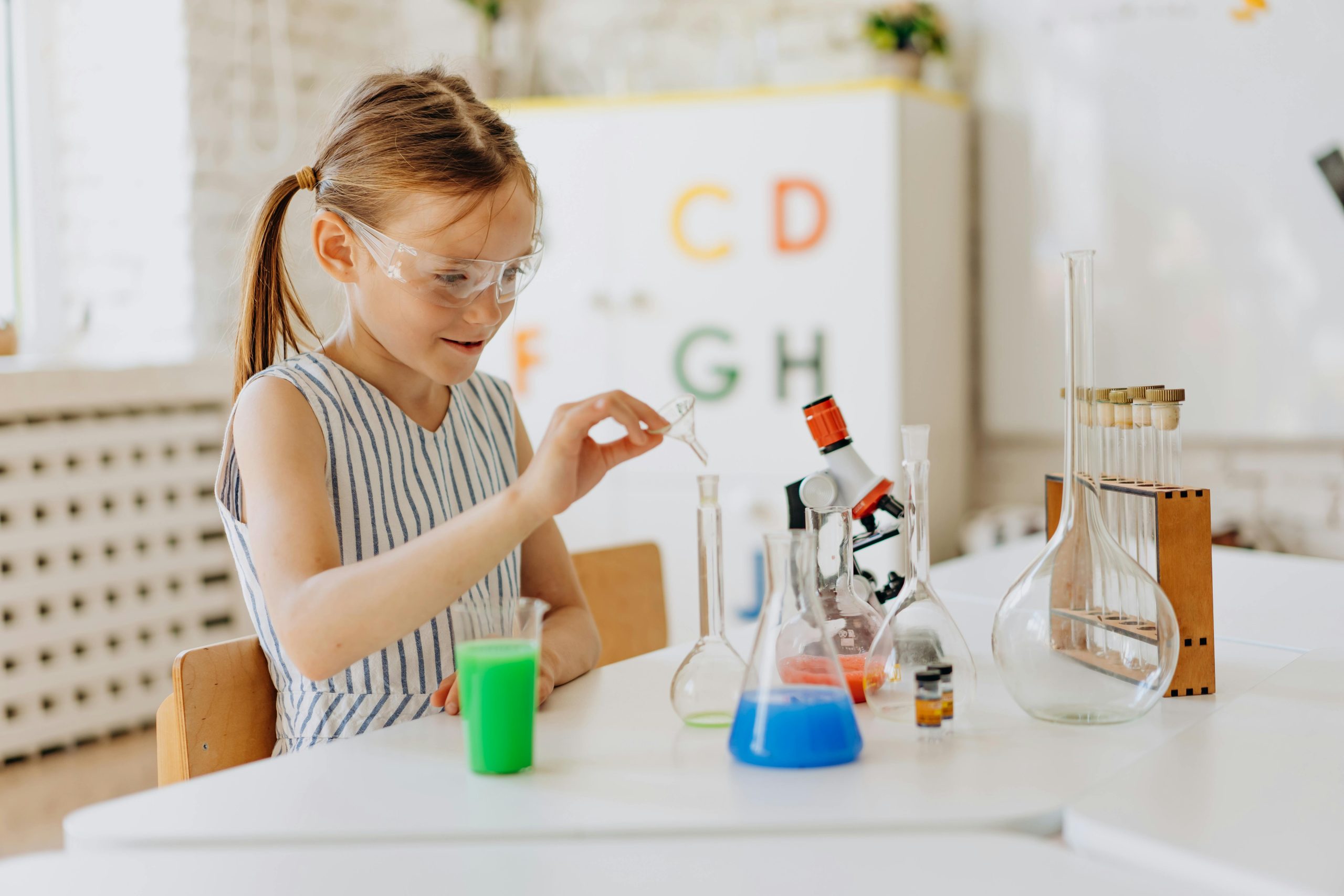
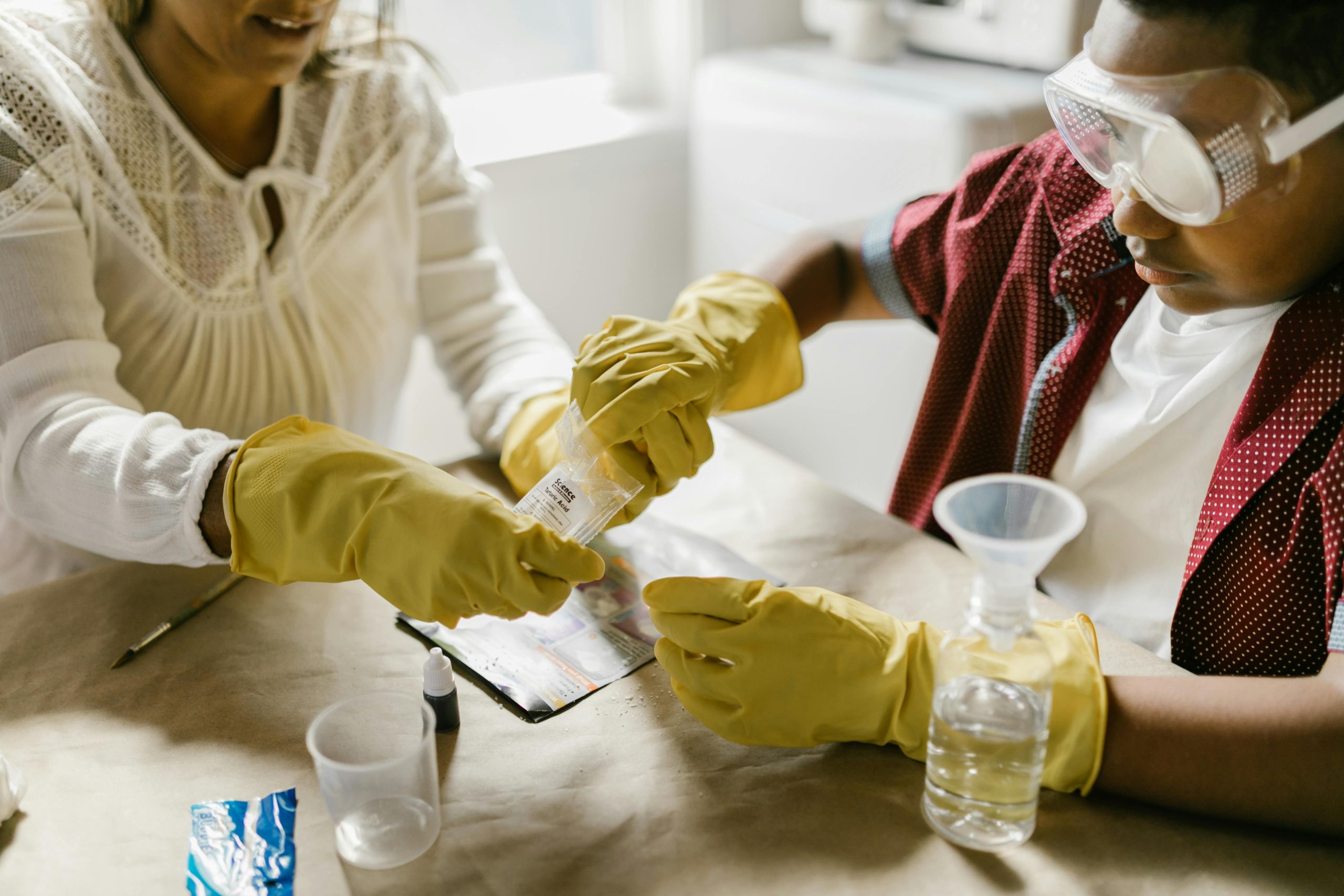
Hands-on work is a must. Good programs include dissections, microscope labs, experiments, and outdoor study. According to What Works Clearinghouse, science instruction that includes laboratory experiences improves student outcomes. As a result, students build skills they’ll need for college and beyond.
Visual Learning Support
This subject involves complex ideas that are hard to picture. Good images, diagrams, and videos really help. In fact, strong visuals make it much easier to grasp hard topics like cells and molecules.
Assessment and Accountability
For high school credit, you’ll need tests, quizzes, and clear grading rules. Parents also need a way to track progress and make transcripts.
Best High School Biology Curriculum
Top Pick (Christian): Apologia Exploring Creation with Biology
Apologia has helped many homeschoolers get ready for college. It has a full textbook, lab program, and self-teaching format. As a result, students can do most of the work on their own. For more details, see our Apologia Science review.
What makes it excellent:
- Thorough coverage of biology topics with appropriate depth
- Self-teaching format enables independent study
- Comprehensive lab program using home-available materials
- Strong preparation for SAT Subject Tests and college biology
- Available video instruction supplements for struggling students
Potential drawbacks:
- Young-earth creationist perspective may not suit all families
- Text-heavy approach challenges reluctant readers
- Lab equipment requires initial investment
Price: $80-150 depending on components selected
Top Pick (Secular): Miller and Levine Biology
Miller and Levine is used in many public and private schools. It has full coverage, great visuals, and digital tools. Together, these make a complete high school course.
What makes it excellent:
- Comprehensive, college-prep level content
- Excellent photographs and diagrams
- Regular updates reflect current research
- Digital resources enhance learning
- Widely recognized for college applications
Potential drawbacks:
- Designed for classroom use, requires adaptation for home
- Laboratory component sold separately
- Higher cost than some alternatives
Price: $100-180 for textbook; lab materials additional
Video-Based Option: Derek Owens Biology
For families who want video lessons and outside grading, Derek Owens is a great choice. Students watch clear videos, do assignments, and send their work in for grading. This gives you professional feedback without the extra work.
Best for: Students who learn well from video instruction; families wanting external accountability and grading.
Price: $350-450 per course including grading
Budget Option: CK-12 Biology
CK-12 offers a free online textbook with full content. Just add lab supplies from Home Science Tools. This gives you a solid course at very low cost.
Price: Free for content; budget for lab supplies
Best Middle School Biology and Life Science
Middle school is the time to build a base for high school. Students should learn about living systems and do simple labs. However, the work shouldn’t be as hard as high school yet.
Top Pick (Christian): Apologia General Science
This isn’t just about life forms. It also covers earth topics and the scientific method. It gets 7th-8th graders ready for high school without being too hard.
Price: $80-120 depending on components
Top Pick (Secular): CPO Life Science
CPO puts the focus on hands-on work and real labs. It uses pro-level equipment and well-designed experiments. This gives students real lab skills before high school.
Price: $200-400 depending on components
Literature-Based Option: Noeo Biology
For Charlotte Mason fans, Noeo uses living books and hands-on labs. Students read fun stories and then do related experiments. For more hands-on options, see our hands-on science curriculum guide.
Price: $150-250 per level
Best Elementary Biology and Life Science
Young kids need simple, hands-on topics like plants, animals, and habitats. Abstract topics like cells should wait until they’re older and ready for them.
Top Pick: Real Science Odyssey Life Science
Real Science Odyssey has levels for both elementary and middle school. Students do real investigations, not just demos. This builds both content knowledge and skills at the same time.
What makes it excellent:
- Experiment-centered approach engages students
- Lab notebook emphasis teaches documentation skills
- Secular content suits diverse families
- Two levels allow revisiting topics with greater depth
Price: $45-85 per level
Inquiry-Based Option: BFSU
BFSU covers life topics along with physical and earth studies. It uses discussion to help students think deeply. Although it’s not all about living things, the life lessons build solid understanding.
Price: $35-45 per volume
Christian Option: Apologia Young Explorer Series
Apologia has an elementary series with Zoology (three books on different animal groups) and Botany. The notebooking style works great for young kids. It also presents a creation-based view.
Price: $40-90 per book depending on components
Biology Curriculum by Learning Style
For Visual Learners
Visual learners benefit from programs with strong illustrations, videos, and diagrams. Consider:
- Miller and Levine Biology (excellent photography)
- Derek Owens video courses
- YouTube supplements like Crash Course Biology
For Hands-On Learners
Kinesthetic learners need substantial laboratory components. Best options:
- Real Science Odyssey Life
- CPO Life Science
- Quality Microscope Lab supplements with any text
For Reading-Focused Learners
Students who love reading can engage deeply with living books:
- Noeo Biology
- Beautiful Feet Science biographies
- Usborne Science Encyclopedia supplementation
Laboratory Considerations
Biology labs require special consideration for equipment, specimens, and safety.
Essential Equipment
Most biology programs require:
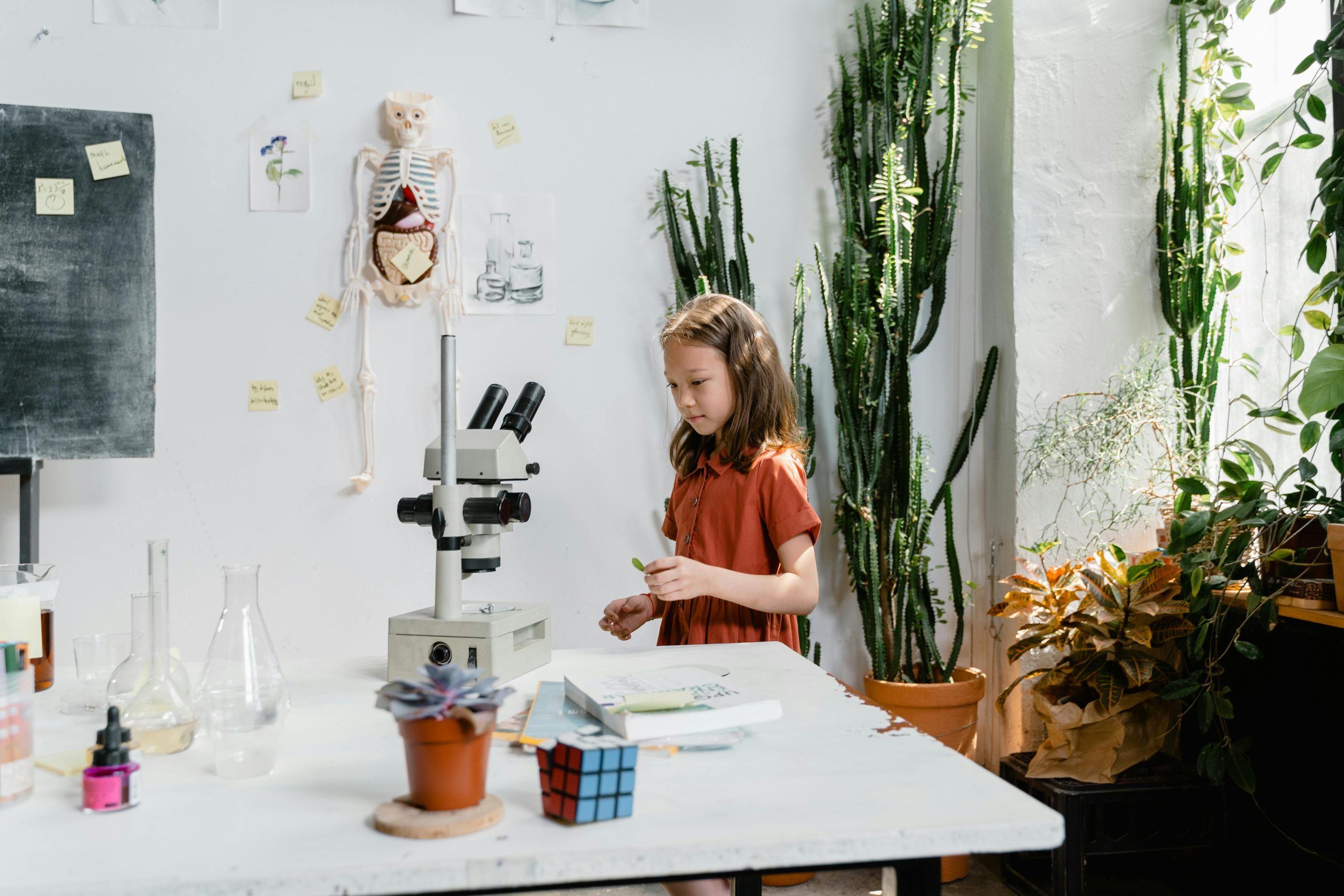
- Quality microscope (compound, not just stereo)
- Prepared slides and slide-making materials
- Dissection kit with appropriate tools
- Basic laboratory supplies
Dissection Options
Real dissection teaches a lot. However, some families prefer other options:
- Virtual dissection software
- 3D models and diagrams
- Video dissection demonstrations
Lab Services
Companies like Home Science Tools and Quality Science Labs sell ready-made kits for homeschool use. They include specimens, slides, and supplies. As a result, lab prep becomes much easier.
Frequently Asked Questions
What grade should my child take biology?
Most students take it in 9th grade, which aligns with typical high school science sequences tracked by the National Center for Education Statistics. If your student wants to take AP or go into a science field, starting earlier can help. On the other hand, waiting until 10th grade is fine if more math prep is needed first.
Do homeschoolers need biology labs for college?
Yes, most colleges want to see lab work on transcripts. The Home School Legal Defense Association recommends documenting laboratory experiences thoroughly for college applications. Be sure to keep good records of labs for college apps. Some families also add community college or co-op labs to fill gaps.
How do I handle evolution in biology curriculum?
Christian families have a few options. You can use a creation-based program like Apologia. Or use a secular one and add creation materials. Some families show both views and let kids decide. Choose what fits your beliefs and goals.
Can I use biology curriculum with multiple children?
Textbooks and teacher guides can be reused for younger kids later. But consumables like lab specimens and notebooks need to be replaced. Many families teach labs together, with different work for each age.
How much does a complete biology course cost?
Plan to spend about $100-200 for curriculum and $50-150 for lab supplies. Video courses with grading cost $350-500. Free options still need lab supply money set aside.
Final Recommendations
For high school college prep (Christian): Apologia Exploring Creation with Biology provides thorough preparation with self-teaching format. Add video instruction if your student struggles with text-heavy learning.
For high school college prep (Secular): Miller and Levine Biology offers comprehensive, visually rich content. Supplement with structured lab program from Quality Science Labs or Home Science Tools.
For middle school foundations: CPO Life Science (secular) or Apologia General Science (Christian) build strong foundations for high school success.
For elementary exploration: Real Science Odyssey Life treats students as real scientists with genuine investigations. Apologia Young Explorers provides Christian perspectives with hands-on activities.
Whatever you pick, focus on both knowledge and thinking skills. Labs, careful observation, and real-world links build lasting understanding. This will serve your students well beyond school. For even more options, explore our complete science curriculum guide.

Leave a Reply