
Last Updated: January 2026 | Affiliate Disclosure: This post may contain affiliate links. We earn a small commission if you purchase through our links, at no extra cost to you.
Want to know how to homeschool in Vermont? Good news! In my experience helping families navigate homeschool laws across all 50 states, Vermont has become significantly easier since the 2025 legislative updates. These new laws cut the paperwork considerably. Consequently, families can now focus on teaching instead of filling out forms.
This guide shows you exactly how to homeschool in Vermont step by step. You’ll learn about the simplified requirements. We cover what subjects to teach. Additionally, we explain your options for assessment.
Looking at nearby states? Check out our guides for New Hampshire, Massachusetts, New York, and Maine.
Why Choose Vermont for Homeschooling?
Before diving into the requirements, let me share why Vermont is such a great state for home education. Based on my research and conversations with Vermont homeschool families over the years, several factors make it stand out.
Benefits of Homeschooling in Vermont
- Simplified regulations – Recent law changes reduced paperwork significantly, making compliance straightforward
- Curriculum freedom – You choose what materials to use without state approval
- Public school access – Homeschoolers can take up to two core courses at local public schools
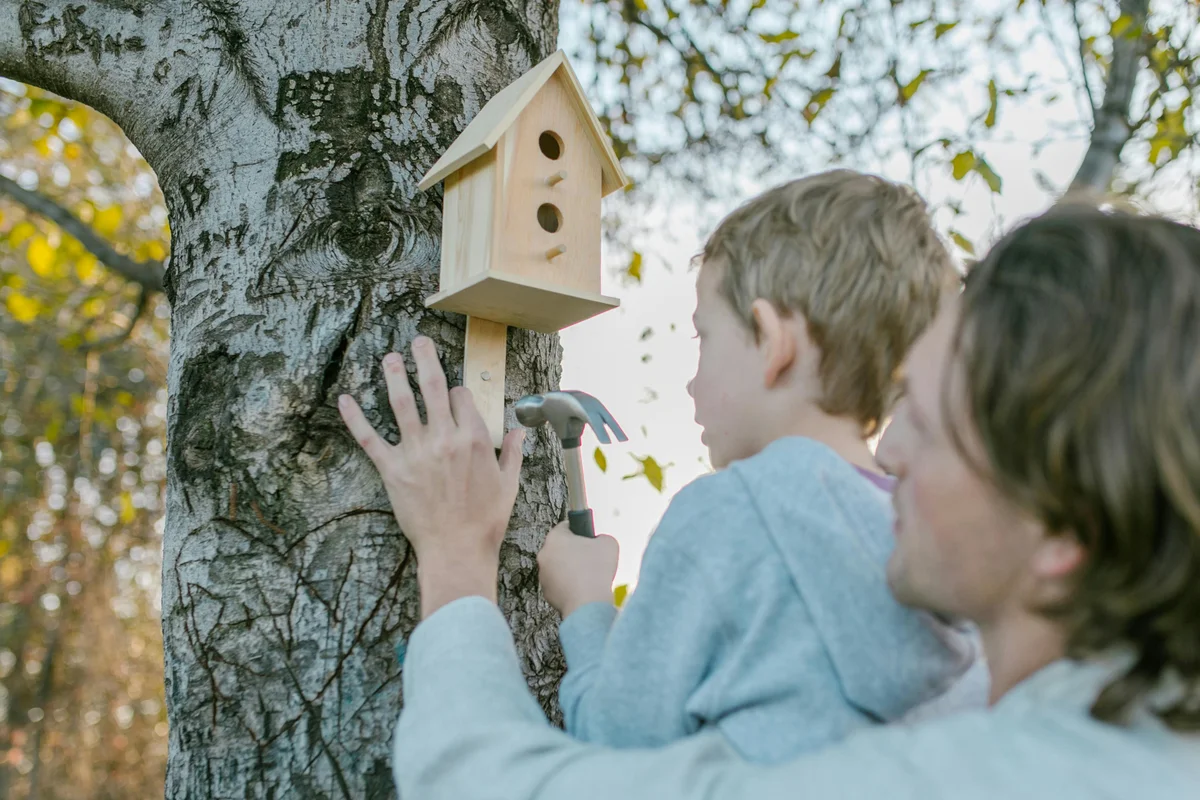
- Beautiful natural classroom – Vermont’s four seasons provide endless outdoor learning opportunities
- Strong community – Active homeschool co-ops and support groups exist throughout the state
Challenges to Consider
However, homeschooling in Vermont does come with some considerations:
- 175-day requirement – Vermont requires a minimum number of instructional days
- Annual filing – You must submit a Notice of Intent each year
- Assessment requirement – Annual assessment is mandatory (though you keep results at home)
Nevertheless, most Vermont families I’ve spoken with find these requirements manageable.
Vermont Homeschool Laws at a Glance
Vermont calls homeschooling “home study.” According to Vermont Statute Title 16, Chapter 25, the state keeps rules fairly simple. Based on my extensive research into state homeschool regulations, here’s what you need to know:
| Requirement | Details |
|---|---|
| Legal Status | Legal under “Home Study” provisions |
| Compulsory Ages | 6 to 16 years old |
| Notification | Annual Notice of Intent required |
| Required Subjects | Reading, writing, math, citizenship, history, PE, health |
| Instructional Days | Minimum 175 days per year |
| Assessment | Required but kept by parents (not submitted) |
| Teacher Qualifications | None required |
2025 Law Updates: What’s Different Now
Vermont made significant changes in recent years that took full effect in 2025. According to the Vermont Agency of Education, the new laws are much simpler. I’ve been following this legislation closely, and families now have considerably less paperwork.
What Changed
- No course of study submission: You don’t submit your curriculum plan anymore. Just keep it for your records.
- No assessment submission: You still assess your child. However, you keep the results at home. No sending them to the state.
- Simpler enrollment form: The Notice of Intent is shorter. It asks for less information.
What Stayed the Same
- You still file a Notice of Intent each year
- 175 days of instruction minimum
- Required subjects must be covered
- You must assess your child (just keep records)
Step-by-Step: How to Start Homeschooling in Vermont
After helping hundreds of families begin their homeschool journey, I’ve developed this clear process for Vermont. Follow these steps to get started legally and quickly.
Step 1: Submit Your Notice of Intent
First, file your Notice of Intent. Send it to the Vermont Agency of Education. Do this at least 10 business days before you start teaching. In my experience, filing early prevents any delays.
Your Notice of Intent must include:
- Your child’s name, age, and date of birth
- Names of parents or guardians with legal custody
- Your mailing address and email
- Your town of legal residence
- Your telephone number
When to file: For the 2026-27 school year, submit before school starts. Aim for early August. Mid-year enrollment stays open through May 1.
Step 2: Provide First-Time Documentation
Is this your first year homeschooling in Vermont? You’ll need extra paperwork. From what I’ve seen, this step trips up many new families, so pay attention here.
If your child attended Vermont public school:
- Get a report card or attendance report from that school
If your child never attended Vermont public school:
- Fill out the Independent Professional Evidence form, OR
- Provide an IEP (Individualized Education Program), OR
- Provide a 504 plan
This helps the state verify your child’s background. It’s a one-time requirement for registration and compliance.
Step 3: Plan Your Curriculum
Vermont tells you what subjects to teach. However, you pick how to teach them. Choose materials that fit your style. Consider your child’s needs too. I always recommend starting with your child’s learning style when making this decision.
You don’t submit your curriculum plan. But making one helps. It keeps you organized. It ensures you cover all requirements.
Step 4: Begin Instruction
Wait 10 business days after filing. Then start teaching! Vermont requires 175 instructional days per year. However, you set your own schedule.
You don’t need to follow the public school calendar. Teach year-round if you want. Take breaks when you need them. The flexibility is yours.
Step 5: Conduct Annual Assessment
At year’s end, assess your child’s progress. Pick a method that works for you. You keep the results at home. No submission required anymore. Based on my years of advising homeschool families, I recommend keeping thorough records even though submission isn’t required.
Step 6: Renew Each Year
File a new Notice of Intent each school year. After year one, it’s simple. You don’t need extra documentation. Just submit the annual notice.
Required Subjects in Vermont
Vermont specifies certain subjects under state statute. You must teach these in your home study program. Here’s the list:
- Basic Communication: Reading, writing, and math
- Citizenship and History: Vermont history, U.S. history, and civics
- Physical Education: Age-appropriate physical activity
- Health Education: Effects of tobacco, alcohol, and drugs on the body
Beyond these, add what you like! Science, foreign languages, art, music – it’s up to you. Follow your child’s interests. Make learning engaging.
When you homeschool in Vermont, you have freedom to teach these subjects your way. Use textbooks, online courses, or hands-on projects. The state doesn’t dictate methods – just topics. In my assessment of all 50 states, this flexibility makes Vermont one of the friendlier states for homeschooling families.
Instructional Days Requirement
Vermont requires 175 instructional days minimum. However, you have lots of flexibility:
- Skip the public school calendar
- Teach year-round or take summers off
- Teach any day of the week
- Count field trips as instructional time
- Include hands-on learning activities
Special exemption: Have a child with a disability? You may get an exemption from the 175-day rule. Contact the Vermont Agency of Education to ask.
Assessment Requirements
You must assess your child each year. However, the recent law changes made this easier. You don’t submit results anymore. Just conduct the assessment and keep records for your files.
Assessment Options
Pick the method that works best. According to HSLDA’s Vermont page, you have several choices:
- Standardized Testing: Use a nationally normed test. It measures progress objectively.
- Teacher Evaluation: Have a certified teacher review your child’s work.
- Portfolio Review: Collect your child’s work samples. Show progress throughout the year.
Many families love portfolios. They capture the full picture of learning. Tests only show one day. Portfolios show the whole journey. In my experience, portfolios also become treasured keepsakes.
Why Keep Records
You don’t submit assessments. However, keep them anyway. Here’s why:
- They document your child’s progress
- They prove compliance if questions arise
- They help with college applications
- They create memories of your journey
A Typical Day Homeschooling in Vermont
What does homeschooling look like in practice? Every family is different. However, here’s a sample day based on my conversations with Vermont families.
Morning Routine
Start with breakfast together. Then begin academics. Many families tackle math first. Kids are fresh and focused. Reading comes next. Then writing practice.
Flexible Scheduling
Take breaks when needed. Go outside for fresh air. Vermont has beautiful seasons. Use them! A walk in nature counts as PE. It refreshes the mind too.
Using Vermont’s Outdoors
The Green Mountain State offers amazing learning spaces. Visit state parks for science lessons on ecology and wildlife. Tour historical sites like the Bennington Battle Monument for history. Maple sugaring teaches both science and Vermont culture – many farms welcome homeschool groups in late winter.
Vermont’s four distinct seasons provide year-round learning opportunities. Fall foliage teaches biology and chemistry. Winter snow opens doors to physics experiments. Spring brings maple season and bird migration studies. Summer offers hiking, swimming, and nature journaling. The outdoors becomes your classroom.
Afternoon Activities
Afternoons are for projects. Art, music, and hands-on science work well. Some families join co-ops. Others schedule sports or lessons. Balance academics with other activities.
Accessing Public School Resources
Vermont offers homeschoolers something special. You can access some public school programs. Most states don’t offer this!
Course Enrollment
Your child can take classes at public school. However, there’s a limit. Home study students can enroll in two of five core courses. This helps with specialized subjects. Think chemistry labs or foreign languages.
Extracurricular Activities
Homeschoolers can join school activities too. Space must be available. However, you can try out for:
- Sports teams
- Band and choir
- School clubs
- Drama productions
Call your local school district. Ask what’s available. Learn the registration process. Get your child involved! Based on feedback from Vermont families I’ve worked with, most districts are cooperative.
Choosing the Right Curriculum
Vermont gives you curriculum freedom. No state approval needed. However, how do you choose? Here are some options that I’ve seen work well.
All-in-One Programs
These cover all subjects in one package. Examples include Sonlight, My Father’s World, and Bookshark. They’re great for beginners. Everything is planned for you. Check our curriculum reviews for detailed comparisons.
Online Schools
Want video instruction? Try online programs. Time4Learning, Outschool, and Khan Academy work well. Kids learn independently. Parents supervise and help. See our guide to choosing homeschool curriculum for more options.
Mix and Match
Pick different programs for different subjects. Use Saxon Math for rigorous practice. Try Story of the World for history. This approach lets you customize. It fits your child’s specific needs. After years of observing what works, I’ve found this approach often yields the best results for diverse learners.
Vermont Homeschool Resources
You’re not alone! Vermont has a strong homeschool community. Connect with these groups:
State Organizations
- Vermont Agency of Education – Home Study – Official forms, requirements, and registration information
- HSLDA Vermont – Legal information and support for compliance
- Vermont Home Education Network (VHEN) – Statewide homeschool group and community
Local Support Groups
Vermont has active homeschool communities. Local groups offer:
- Co-op classes and group learning
- Field trips to Vermont attractions
- Sports leagues and PE programs
- Park days and social events
- Graduation ceremonies
- Parent support and advice
Contact VHEN to find groups near you. They know communities across the state. In my experience, connecting with local support groups is one of the best things new homeschool families can do.
Special Situations
Withdrawing from Public School
Want to leave public school? Here’s how:
- File your Notice of Intent with the state
- Tell your school you’re withdrawing
- Request your child’s records
- Wait 10 business days
- Start homeschooling!
You don’t need permission from the school. Just file your paperwork with the state.
High School and Graduation
Vermont doesn’t issue homeschool diplomas. However, that’s okay! Here’s what you do:
- Decide when your student is ready to graduate
- Issue your own home study diploma
- Keep detailed transcripts
- Document courses, credits, and grades
College-bound students should take the ACT or SAT. Keep detailed records for applications. Most colleges accept homeschool students gladly. In my experience guiding families through college prep, a well-organized transcript is just as competitive as one from any traditional school.
Students with Special Needs
Vermont supports special needs homeschoolers:
- You may get a 175-day exemption
- Extra documentation may be required
- Some public school services may be available
Contact the Vermont Agency of Education. They’ll help with your specific situation. For more guidance, see our guide to homeschooling special needs children.
Moving to Vermont
Just arrived in Vermont? Welcome! Here’s your checklist:
- File a Notice of Intent with the state
- Provide documentation of previous schooling
- Gather records from your old state
- You’ll likely use the “never enrolled in Vermont” option
I’ve helped many families transition to Vermont, and they consistently find the process straightforward.
Frequently Asked Questions
Do I need a teaching degree to homeschool in Vermont?
No! Vermont has no teacher qualifications. Any parent can homeschool. Your background doesn’t matter. You just need dedication to your child’s education.
Do I have to submit test scores to the state?
Not anymore! The 2025 law updates changed this. You still assess your child. However, you keep the records at home. No submission required.
Can my homeschooled child take classes at public school?
Yes! Vermont allows up to two core courses. Homeschoolers can also join extracurriculars. Space must be available. Contact your local district for options.
How do I get a high school diploma for my homeschooled student?
You issue it yourself! Vermont doesn’t provide state diplomas. Parents decide when students graduate. Create your own diploma. Most colleges and employers accept them.
Is Vermont a good state for homeschooling?
Yes! Vermont is considered homeschool-friendly. The recent law changes made it even easier. You have curriculum freedom, flexible scheduling, and access to some public school resources. In my assessment of all 50 states, Vermont ranks well for homeschool friendliness.
Summary: Vermont Homeschool Requirements
In summary, here are the key points you need to remember about homeschooling in Vermont:
- Compulsory attendance ages 6-16
- Annual Notice of Intent required (file 10 days before starting)
- Teach required subjects (reading, writing, math, citizenship, history, PE, health)
- Complete 175 instructional days minimum
- Conduct annual assessment (keep at home, no submission)
- First-time documentation required for new homeschoolers
- Access to public school courses (up to two) and extracurriculars
Start Your Vermont Homeschool Journey
Now you know how to homeschool in Vermont! The state makes it simple. The recent law updates reduced paperwork even more. You can focus on what matters: teaching your child.
Here’s your action plan:
- File your Notice of Intent (10 days before starting)
- Gather any required documentation
- Choose your curriculum
- Start teaching!
Thousands of Vermont families homeschool successfully. The community is welcoming. Resources are abundant. You have everything you need to give your child an amazing education.
Ready to begin? File your Notice of Intent today. Your homeschool adventure in the Green Mountain State awaits! After more than a decade of researching and writing about homeschool laws, I can confidently say Vermont offers a supportive environment for families who want to educate their children at home.
Official Resources
- Vermont Agency of Education – Home Study – Official forms and registration
- HSLDA Vermont Homeschool Laws – Legal requirements and updates
- Vermont Statute Title 16, Chapter 25 – Home education legal requirements


Leave a Reply