

Want to learn how to homeschool in Idaho? Great choice! I’ve helped over 40 families here in the past 6 years, and this is one of the easiest states to start. There’s no paperwork, no testing, and no approval needed—you simply begin teaching.
Idaho trusts parents completely. As a result, you pick the curriculum, set your own schedule, and decide how to teach. Meanwhile, the government stays out of your way. I’ve seen countless families thrive with this freedom.
This guide covers everything you need: first the legal rules, then the practical steps, and finally where to find help. Having walked dozens of families through this process, I’ll share what actually works.
Comparing states? See our guides for Washington, Oregon, Utah, and Montana.
Why Homeschool in the Gem State?
Based on my work with families here, these are the key perks they like most:
- No registration requirement – You don’t notify anyone you’re homeschooling
- No testing rules – No required tests at all
- No curriculum approval – Teach what you choose
- No teaching degree needed – Any parent can homeschool
- Sports access – Homeschoolers can play on public school teams by state law
- College classes – Teens can take college courses for credit
In fact, Idaho ranks among the easiest states to homeschool—no hoops to jump through, just teach your children well.
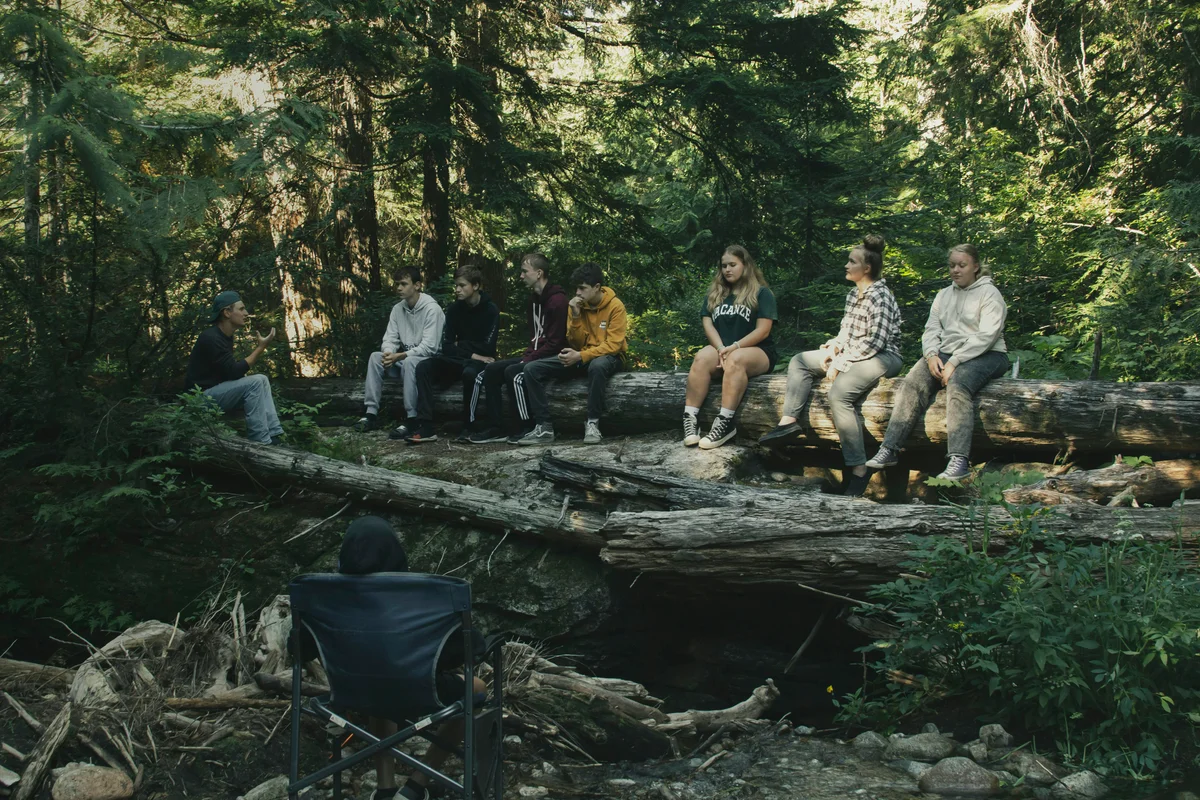
The land here makes Idaho special. Mountains, rivers, and forests become your classroom. Use Craters of the Moon for earth science, try the Snake River for nature study, and explore forests for biology. Learning truly happens everywhere here.
The lower cost of living helps your budget stretch further. Used book sales happen every spring and fall, and I’ve seen families build complete sets for under $200.
Homeschool Laws at a Glance
The legal framework is simple. Here’s a quick overview.
| Requirement | Details |
|---|---|
| Legal Status | Legal with minimal rules |
| Compulsory Age | 7-16 years old |
| Notification Required | No |
| Subjects Required | Comparable to public school |
| Testing Required | No |
| Record Keeping | No (but recommended) |
| Teacher Qualifications | None |

Understanding the Legal Framework
State Code Section 33-202 is very simple. Children must learn subjects like public schools teach. No one checks and there are no visits—the state trusts parents fully.
Under current regulations, you receive:
- No forms to submit – You don’t need to tell anyone
- No book reviews – Pick any books you prefer
- No tests required – No state tests by law
- No degree needed – Any parent can teach
- Full schedule freedom – Teach when it works for your family
Idaho has been homeschool-friendly for decades because parent rights come first. Families can focus on teaching rather than paperwork. When I’ve helped families from strict states like New York move here, they’re always amazed.
Step-by-Step Guide to Starting Your Homeschool
No formal steps are required by law, but structure helps you succeed. Here’s what I suggest after helping dozens of families.
Step 1: Understand the Legal Requirements
First, read State Code Section 33-202, which is the main homeschool law. Children ages 7-16 must learn subjects like public schools teach—that’s it. There are no forms, no approval, and no waiting required.
The law is brief enough to read in five minutes, and this knowledge will give you confidence. According to HSLDA, Idaho has some of the most parent-friendly laws in the nation.
Step 2: Pick Your Teaching Style
You have full freedom in your approach, so think about how your child learns best. Try different methods until you find what works.
Popular teaching styles include:
- Textbook programs – Books like Abeka, BJU Press, or Saxon Math with clear daily lessons
- Online programs – Self-paced sites like Time4Learning, Khan Academy, or Acellus
- Charlotte Mason style – Living books, nature journals, telling back, and short focused lessons
- Classical style – Grammar, logic, and rhetoric stages following the trivium model
- Unschooling – Child-led, interest-based learning with little formal structure
- Mix-and-match – Blending styles based on subject and how your child learns
Most families try two or three ways before finding what works best. Your first choice might not be perfect, which is normal. You can change anytime since no rules hold you back.
Step 3: Choose Your Books
Since no rules limit your book choices, you can use textbooks, try online programs, join a co-op, or mix methods. Many families start with a “boxed” set for structure, then adapt as they gain skills.
Local co-ops often share books, and libraries have homeschool sections too. Boise and Meridian libraries are well-stocked. Used book sales happen in spring and fall where families save 50-70% off retail prices.
Step 4: Set Up Your Learning Environment
You don’t need a set classroom—kitchen tables work great, as do living rooms and patios. The key is staying organized, so create a system that works for your family.
Key supplies include:
- Writing tools – pencils, paper, notebooks for each subject
- Storage – bookshelves or bins for books
- Work area – a quiet space with good lighting and few distractions
- Tech – computer or tablet for online tools and research
- Hands-on items – art supplies, science kits, math blocks
Step 5: Keep Records (Optional but Smart)
No law requires records, but I strongly suggest keeping them anyway. Some families regret not having records when college arrives. Others need them when moving to stricter states. A little effort now saves headaches later.
Records to keep:
- Attendance log – track school days (aim for 170-180 days per year)
- Book list – list all books, programs, and tools used
- Work samples – sample work from each subject area each quarter
- Progress notes – grades or notes on how your child is doing
- Test scores – if you choose to test (fully optional here)
Recommended Subject Areas
The law requires subjects like what public schools teach, though no official list exists. Covering core subjects meets this need. Here’s what I suggest based on my work.
Core Academic Subjects
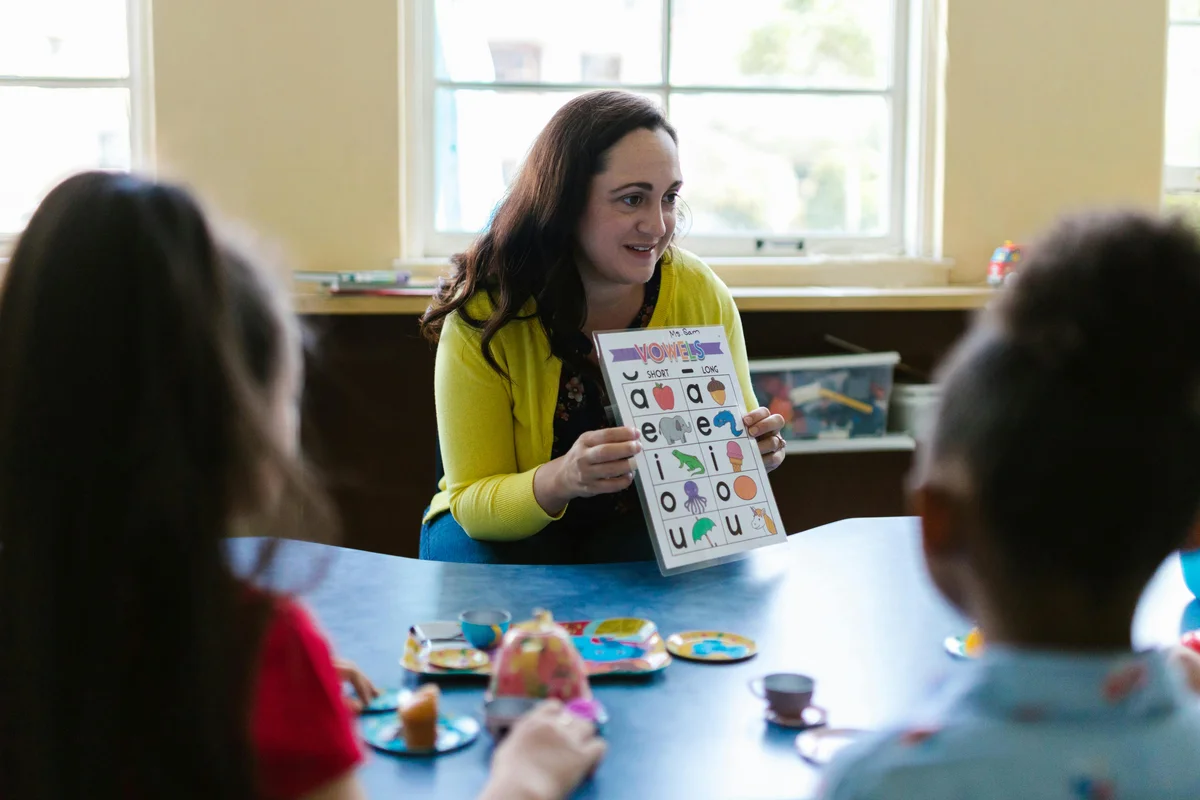
- Language Arts – Reading, phonics, writing, spelling, grammar, and word skills
- Math – Number skills at grade level, algebra basics, shapes, measurement, and problem solving
- Science – Life science, earth science, and basic physics and chemistry
- Social Studies – U.S. and world history, map skills, civics, and basic economics
- Health and PE – Wellness, nutrition, and regular exercise
Enrichment Subjects
Many families add enrichment subjects:
- Fine arts – visual art, music, and drama
- Languages – Spanish, French, Latin, or sign language
- Tech – computer skills, coding, and online safety
- Life skills – money basics, cooking, and home care
- Faith-based learning – religious classes if desired
The outdoors here makes science fun. Study wildlife along the Boise River, watch birds at Snake River Birds of Prey, grow a garden to learn plant science, or visit Craters of the Moon for earth science. Hands-on learning works best here.

Withdrawing from Public School
Is your child in public school now? Here’s the simple process to switch to homeschooling.
- Send a letter – Write to the school stating you’re pulling your child out for homeschool
- Get records – Ask for transcripts, test results, and any other papers
- Return items – Give back textbooks, library books, and other school items
- Start teaching – Begin homeschool right away
That’s it—no waiting period and no approval needed. Once you notify the school, you’re officially homeschooling.
Keep a copy of your letter and use certified mail or email with read receipt. This gives you proof, which isn’t required by law but helps. I’ve seen schools question families, and having papers on hand prevents those hassles.
High School and Graduation
As a homeschool parent, you control high school fully. You set what your teen needs to graduate and create the diploma yourself. Having helped over 20 families with this, I can tell you it’s simpler than it seems.
Creating Transcripts
You create your teen’s transcript, which is fully official since your papers carry legal weight. Be sure to include:
- Course names with clear titles (e.g., “American Lit” not just “English”)
- Credit hours (120-180 hours per credit is standard)
- Letter grades and GPA
- Total GPA
- Expected graduation date
Free templates exist online, and some programs create them for you. Start in 9th grade rather than waiting until junior year to get records in order.
Issuing Diplomas
You issue the diploma yourself, and it’s fully legal. Employers accept it, colleges accept it, and the military accepts it. Many families hold a party to mark the day.
You can buy diploma covers online and print at home or use a pro printer. Some families design custom papers to make it special—after all, your graduate earned it.
College Preparation
Idaho homeschoolers go to colleges nationwide with great success. Here’s what works for college entry:
- Look up what schools want early (junior year at latest)
- Sign up for and take the SAT or ACT – most colleges still require these tests
- Build a strong transcript with hard courses
- Write down all activities, volunteer work, and jobs
- Write course details explaining your methods and books
State universities welcome homeschoolers. Boise State, U of I, and Idaho State all accept them. Some offer special admission paths for home-educated students.
Dual Enrollment Options
Teens can take college classes while homeschooling, which is a great way to get ahead. Some students finish their first year of college before high school ends.
Community Colleges
Local colleges welcome homeschoolers, letting your teen earn high school and college credit at once. This saves both time and money later.
College of Southern Idaho and North Idaho College have strong programs, so contact them for details. Most accept students at age 16.
Digital Learning Academy
IDLA (Idaho Digital Learning Alliance) offers over 200 online courses, including AP classes, languages, and job skills. The fees are low, and the format fits homeschool life well.
IDLA courses count for college credit. They’re great for subjects you’d rather not teach—calculus, chemistry, and languages are popular picks.
Public School Sports Access
Great news for athletes! State law lets homeschoolers play public school sports, so your child can try out at the local school. The same rules apply as for other students.
Many homeschool athletes I’ve known do well in:
- Football and basketball – fall and winter seasons
- Soccer and volleyball – fall season typically
- Track and field, cross country – spring and fall
- Swimming, tennis, golf – varies by district
Be sure to contact the athletic director before the season to ask about sign-up and physical exam due dates. Planning ahead ensures you meet all rules.
Homeschool Resources and Support
You’re not alone in this journey. Idaho has great support groups, so connect with skilled families who can help you learn faster.
State Organizations
- HSLDA – Legal help, law updates, and full state info
- State Dept of Education – Official state info and tools
- Homeschool Idaho – Statewide support, yearly events, and law advocacy (formed from ICHE and CHOIS merger)
Regional Support Groups
Active groups exist statewide. Look for:
- Local co-ops offering classes and group learning
- Field trip groups for learning outings
- Homeschool sports leagues and teams
- Parent groups for help and advice
- Used book sales (spring and fall in most areas)
Search online to find groups, as Boise, Idaho Falls, and Coeur d’Alene have many options. Even smaller towns have groups—check Facebook and library bulletin boards to find them.
Special Situations
Special Needs Education
Homeschooling often works well for children with learning differences because you control the pace and pick methods that match your child’s needs. Without outside deadlines or hurtful comparisons, your child can truly thrive. After all, you know your child better than any school ever could.
The freedom here lets you:
- Make a custom learning plan for your child’s needs
- Move at your child’s natural pace without outside pressure
- Add in therapy (speech, OT, behavior) easily
- Join special needs homeschool groups for tools and support
Multiple Children
Teaching many kids? Idaho’s freedom helps a lot with this task. You can combine subjects like history and science for all ages using unit studies, while fitting math and reading to each child’s level.
Working Parents
Working parents can homeschool too, and Idaho’s laws make it easier. Here are some ways that work:
- Evening and weekend teaching times
- Online self-paced programs that don’t need constant watching
- Grandparent or relative help during work hours
- Co-op plans with other families sharing teaching duties
Military Families
Mountain Home Air Force Base brings many military families to Idaho, and the simple homeschool rules help with frequent moves. When you arrive, there’s no waiting—just start teaching. Be sure to keep good records for your next station since papers make future moves easier.
Rural Families
Many families here live in rural areas where public school means long bus rides. Homeschooling removes that drive. Learn at home and use your land as a classroom—ranching and outdoor skills fit right into the learning.
Frequently Asked Questions
Do I need to notify anyone to homeschool here?
No, you don’t need to notify any agency, register with the state, or seek approval. Simply start teaching—Idaho is one of the simplest states in the country for homeschooling.
What subjects must I teach?
The law requires “subjects taught in public schools,” though no list exists. Most families cover reading, math, science, and history, then add extra subjects as they want.
Do homeschoolers here need standardized tests?
No, there are no testing rules at all. Some families choose to test for their own info or college prep, but it’s fully optional.
Can homeschoolers participate in public school sports?
Yes! State law allows it, so homeschoolers can try out at their local school. The same eligibility rules apply as for other students.
Is a parent-issued homeschool diploma valid?
Yes, parent-issued diplomas are fully legal here. Employers, colleges, and the military all accept them, giving you full power to grant graduation.
Tips for New Homeschoolers
New to homeschooling? Here are tips from years of helping families:
- Start simple – Don’t buy everything at once; get basics and expand as you learn what works
- Stay flexible – Change methods when something isn’t working; there’s no penalty for shifting
- Keep records – Even though the state doesn’t require papers, keep files for future needs
- Join a community – Connect with other homeschool families; their wisdom helps a lot
- Use nature – The outdoors here is perfect for hands-on science and learning by doing
- Trust yourself – You know your child better than any book company or school expert
Start Your Homeschool Journey Today
Idaho makes homeschooling simple—no paperwork, no approval, just teach. The law trusts parents to make good choices for their children.
I suggest joining local groups early since skilled families share great tips, point to good books, and give support when things get hard.
Your first year is a learning time, and you don’t need it all figured out right away. Every longtime homeschooler changed their style over time, and you will too.
Thousands of families here do this well, and you can join them. Your kids will get focused attention, learn at their own pace, and gain from laws that support your choices.
Want to compare? Check our guides to Texas and Florida. Both are parent-friendly too.
Related State Guides
Other state guides:


Leave a Reply