
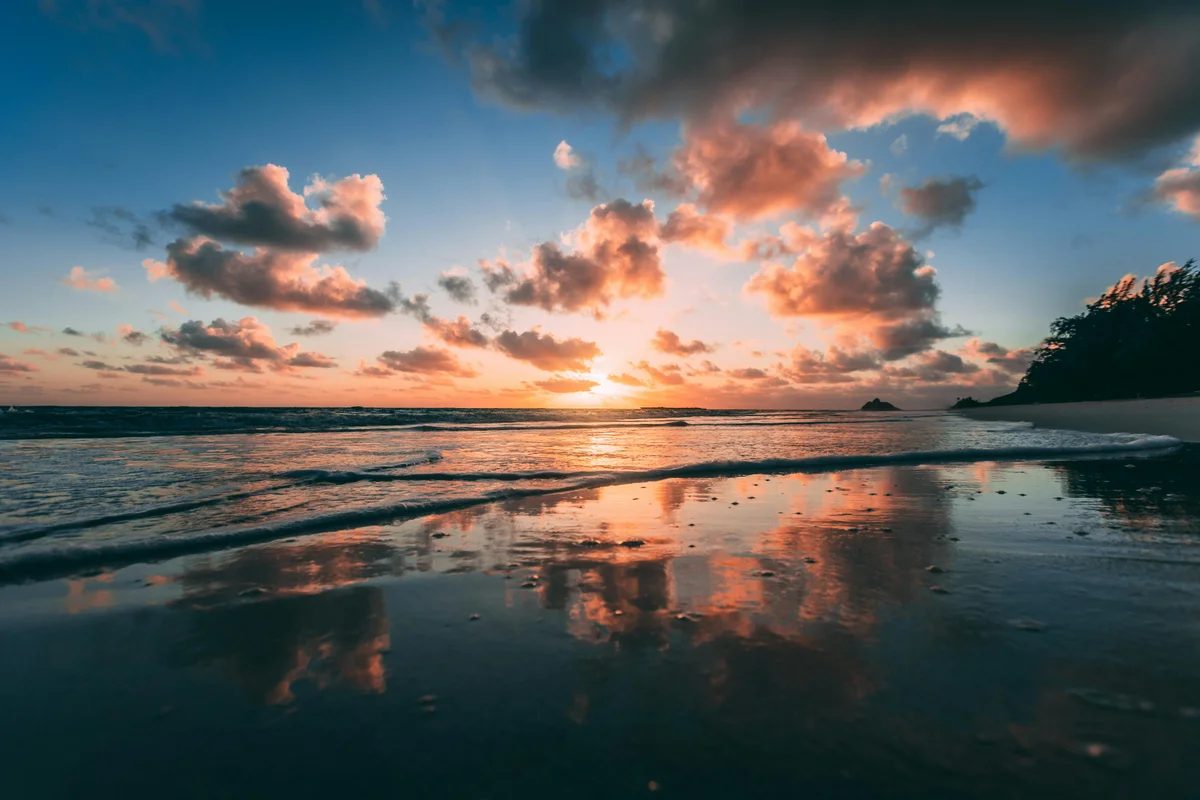
Want to learn how to homeschool in Hawaii? You can! The Aloha State makes it easy. Requirements are moderate. You notify your school. You submit progress reports. That’s the main deal.
This guide covers everything you need. You’ll learn the notification steps. You’ll see testing rules. You’ll find resources across the islands. Let’s get started.
Hawaii offers unique learning. The islands become your classroom. Study marine life at tide pools. Learn about volcanoes at Hawaii Volcanoes National Park. Hawaiian culture surrounds you daily. No other state has these opportunities.
The weather helps too. You can learn outside year-round. Beach days become science lessons. Hikes teach geography. Every day brings new adventures.
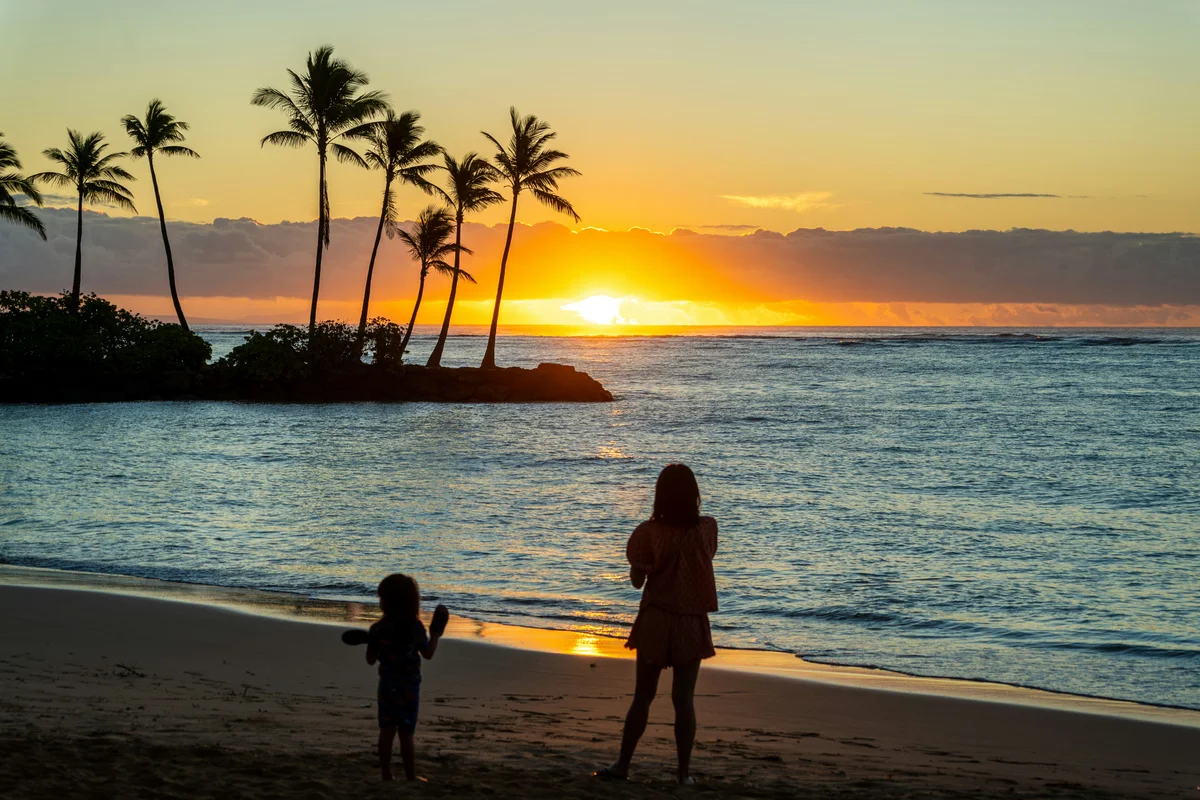
Why Homeschool in Hawaii?
Hawaii offers real benefits for homeschool families:
- Year-round learning – Beautiful weather every day
- Amazing field trips – Volcanoes, reefs, rainforests everywhere
- No testing required – Progress reports instead of tests
- Curriculum freedom – Pick any materials you want
- Strong community – Groups on every major island
- Hawaiian culture – Learn the language and traditions
The beaches are your science lab. The mountains are your PE class. History lives in every town. No other state offers this.
Living costs are high here. But homeschool costs less than private school. You can use free resources. Libraries have great materials. Nature provides free lessons. Your budget works.
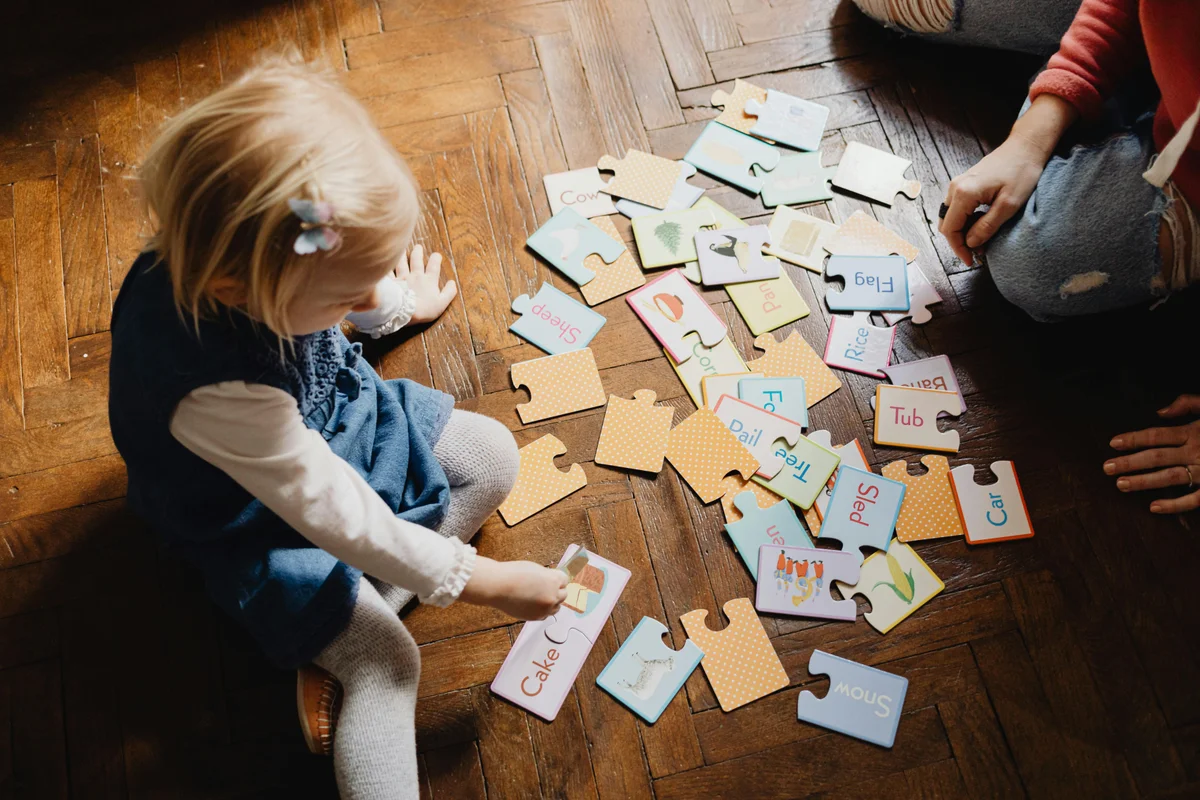
Hawaii Homeschool Laws at a Glance
Hawaii has moderate rules. You notify your school. You keep records. You show progress each year. Here’s the quick view.
| Requirement | Details |
|---|---|
| Legal Status | Legal with notification |
| Compulsory Age | 6-18 years old |
| Notification Required | Yes, to local principal |
| Subjects Required | Curriculum must be planned |
| Assessment Required | Annual progress report |
| Record Keeping | Attendance and progress |
| Teacher Qualifications | None required |
The law is in Section 8-12-18. It’s short and clear. You can read it in minutes. The state trusts parents. They want kids to learn. They don’t micromanage how.
Understanding Hawaii’s Requirements
Hawaii law is in Section 8-12-18. The rules are simple. They want kids to learn. They respect parent choices.
What You Must Do
- Written notification to your local principal
- Annual progress report at year’s end
- Curriculum records showing your plan
- Attendance records of school days
What Hawaii Does NOT Require
- No curriculum approval needed
- No standardized testing
- No teaching degree
- No minimum hours
- No specific subjects mandated
- No home visits from officials
This gives you freedom. You pick the books. You set the schedule. You teach your way. Many families love this flexibility.
Step-by-Step: Start Homeschooling in Hawaii
Follow these steps. Most families start quickly. The process is clear.
Step 1: Get the Notice Form
Contact your local public school. Ask for the Notice of Intent form. The principal’s office has it. The DOE website has it too. Read through it first. It’s simple.
Step 2: Fill Out and Submit
Complete the form. Add your child’s name and birthdate. Add the grade level. Describe your curriculum plan. Send it to the principal. Keep a copy for yourself. Save it with your records.
Step 3: Plan Your Curriculum
Create your teaching plan. List the subjects you’ll cover. Pick your materials. Hawaii doesn’t mandate subjects. Most families teach reading, math, science, and history. You choose the rest. Add art. Add music. Add what your child loves.
Step 4: Set Up Records
Start tracking attendance. Save samples of student work. Keep a portfolio of projects. You need these for your progress report. A binder works great. Digital folders work too.
Step 5: Submit Progress Report
At year’s end, write a report. Send it to your principal. Show what your child learned. A written summary works. A portfolio works. Test scores work too. Pick what shows growth best.

Required Documentation
Keep these records. They show you follow the law. They also help you see progress.
Notice of Intent
Submit before you start. Include:
- Child’s name, age, grade
- Parent contact info
- Curriculum description
- Goals for the year
Attendance Records
Track your school days. No minimum is set. Most families aim for 180 days. A simple calendar works. Mark each teaching day. Note what you covered. This helps you stay organized.
Progress Records
Save work samples. Keep completed worksheets. Take photos of projects. List books read. Note skills learned. Document field trips. These tell your child’s story.
Annual Progress Report
Submit at year’s end. Show what you covered. Show how your child grew. Include:
- Subjects covered
- Evidence of progress
- Year-end assessment
- Next year’s goals (optional)
Record Keeping Tips
Good records make life easier. Here’s what works:
- Use a binder – One per child per year
- Take photos – Document projects and activities
- Save samples – Pick best work from each month
- Keep a log – Write what you did each day
- Go digital – Backup everything to the cloud
Don’t stress over perfection. Simple records work fine. The goal is showing progress. You’ll see growth over time. It’s rewarding to look back.
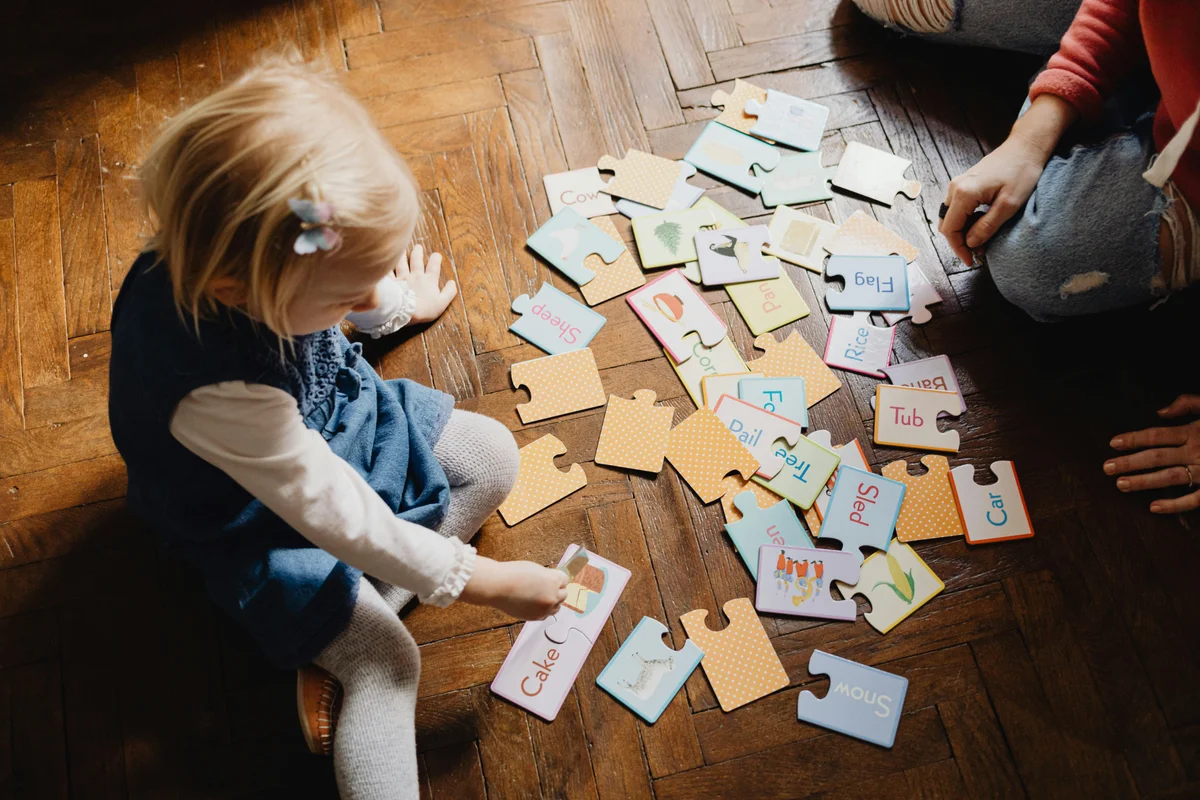
Curriculum Freedom in Hawaii
You pick everything. No approvals needed. No state standards required. This is real freedom.
Curriculum Options
- Complete packages: All subjects from one publisher
- Mix and match: Different books for each subject
- Online programs: Virtual schools and courses
- Unit studies: Learn all subjects through themes
- Unschooling: Child-led learning
- Classical or Charlotte Mason: Traditional methods
Try different things. See what works. You can change mid-year. Some kids love textbooks. Others learn better with hands-on projects. You’ll find the right fit.
Hawaii-Specific Learning
Use your location. Learn from the islands:
- Marine science: Tide pools, reefs, whale watching
- Volcanoes: Hawaii Volcanoes National Park programs
- Hawaiian culture: Museums, language, history
- Agriculture: Coffee farms, tropical plants
- Environment: Rainforests, native species
- Astronomy: Mauna Kea observatories
Your kids learn what mainland kids can’t. The ocean is right there. The volcanoes are real. History happened here. Use every opportunity.
Withdrawing from Public School
Is your child in school now? Here’s how to switch.
Withdrawal Process
- Notify the school: Tell them you’re withdrawing
- Submit Notice of Intent: File your homeschool form
- Request records: Get transcripts and files
- Return materials: Give back textbooks
- Start homeschooling: Begin your program
The school processes your withdrawal. Then you’re official. Keep all paperwork. You might need it later.
High School and Graduation
You control high school. You issue your own diploma. It’s all up to you.
High School Planning
Think about:
- College requirements (if applying)
- Career preparation
- Community service
- SAT or ACT testing
- Extracurricular activities
Start planning early. Freshman year isn’t too soon. Track everything from day one.
Creating Transcripts
You make the transcript. Include:
- Course names
- Credits earned
- Grades given
- GPA calculation
- Graduation date
Make it look professional. Use a clean format. Colleges see homeschool transcripts often. They know what to expect.
Issuing Diplomas
You issue the diploma. Hawaii employers accept it. Most colleges accept it. Many families hold graduation parties. Celebrate the achievement. Your child earned it.
Dual Enrollment Options
Hawaii has great college options. Your teen can start early. This saves time and money.
Community Colleges
Hawaii’s community colleges welcome homeschoolers. Try these:
- Honolulu Community College
- Kapiolani Community College
- Leeward Community College
- Windward Community College
- Hawaii Community College (Big Island)
- Maui College
- Kauai Community College
- University of Hawaii early programs
Contact admissions offices early. Ask about age requirements. Many start at 16. Some accept younger students. Your teen earns college credit now. This saves money later. Credits transfer to universities.
Public School Resources
Some resources may be available. Ask your district about:
- Special education services
- Gifted programs
- Career classes
- Testing opportunities
Hawaii Homeschool Resources
Connect with others. Find support across the islands. You’re not alone.
State Organizations
- HSLDA Hawaii – Legal help and state info
- Hawaii Homeschool Association – Statewide support
- Hawaii DOE – Home School – Official forms and rules
Island-Based Groups
Each island has groups:
- Oahu: Multiple co-ops in Honolulu area
- Maui: Active community with events
- Big Island: Groups in Hilo and Kona
- Kauai: Close-knit homeschool families
- Molokai and Lanai: Smaller but supportive groups
Find your island’s group. Join online forums. Attend meetups. Make friends. Your kids will too.
Co-ops and Classes
Hawaii co-ops offer:
- Group classes
- Science labs
- Arts and music
- PE and sports
- Field trips
- Social events
Special Situations
Military Families
Hawaii has major military bases. Pearl Harbor. Schofield Barracks. Marine Corps Base Hawaii. Kaneohe Bay. Many military families homeschool here.
Military homeschoolers should:
- Notify the local principal when arriving
- Keep thorough records for moves
- Connect with base homeschool groups
- Research your next station’s rules
- Save everything digitally
Bases offer family support. Many host co-ops. Military OneSource helps too. Keep good records. Your next move may need them. Homeschooling makes PCS moves easier. Your curriculum travels with you.
Special Needs
Homeschooling works well for special needs. You set the pace. You pick the methods. No one rushes your child. Contact your district about available services. Some may help.
Part-Time Public School
Some districts allow part-time attendance. Your homeschooler takes specific classes. Policies vary. Ask your local school. It might be possible.
Tips for New Homeschoolers
Starting fresh? Here’s what helps:
- Start simple – Don’t buy everything at once
- Join a group – Connect with other families
- Be flexible – Change what doesn’t work
- Use the islands – Every outing is learning
- Trust yourself – You know your child best
- Take breaks – Rest when you need it
The first year is hardest. Give yourself grace. Things get easier. By year two, you’ll feel confident.
Frequently Asked Questions
Do I need to notify anyone?
Yes. Tell your local public school principal. Submit a Notice of Intent before you start. Send a progress report each year.
What subjects must I teach?
Hawaii doesn’t mandate subjects. The law says curriculum must be “planned and directed.” Most families teach core academics. You choose what fits.
Do homeschoolers need tests?
No. Hawaii doesn’t require standardized tests. Some families use them anyway. They help track progress or prep for college.
Can my child play school sports?
Policies vary by district. Contact your local school. Ask about their rules and eligibility.
How do I show progress?
Send an annual report to your principal. Use a written summary. Show work samples. Share test scores if you have them. Show your child is learning.
Start Your Hawaii Homeschool Journey Today
Hawaii makes homeschooling possible. The rules are moderate. You have freedom to teach your way.
Start with the Notice of Intent. Get it from your local school. Connect with Hawaii homeschool groups. They’ll help you find your way.
Use the islands. Study the ocean. Explore the volcanoes. Learn Hawaiian history where it happened. No classroom can match this.
Thousands of Hawaii families homeschool. They love it. You can too. Your kids will learn. They’ll explore. They’ll thrive in the Aloha State. Start your journey today.
Comparing states? See our guides to homeschooling in Texas and homeschooling in Florida for minimal rules. Check homeschooling in California for similar notification requirements. Or see homeschooling in North Carolina for low regulation.

Leave a Reply