

Want to learn how to homeschool in Colorado? You picked a great state. Colorado is one of the most homeschool-friendly places in the country. The laws are clear. The rules make sense. And you get real freedom to teach your way.
Quick Answer: Colorado has moderate homeschool laws. File a notice 14 days before you start. Teach 172 days per year for 4+ hours daily. Cover 9 subjects. Test in grades 3, 5, 7, 9, and 11. You don’t need a teaching degree.
This guide walks you through it all. First, you’ll learn the laws. Then we cover your three options. Next come step-by-step startup tips. Finally, you’ll find helpful resources. By the end, you’ll know exactly how to start.
Colorado Homeschool Laws at a Glance
Colorado has moderate rules. It’s not as free as Texas. But it’s much easier than New York. Most families find the steps simple once they know them.
Homeschooling became legal in Colorado in 1988. Since then, thousands of families have taught at home. The laws have stayed the same for decades. You can plan ahead with confidence.
| What You Need | The Details |
|---|---|
| Legal Status | Legal since 1988 |
| Ages Required | 6 to 17 years old |
| Notice | 14 days before you start, then yearly |
| Subjects | 9 subjects required by law |
| Time | 172 days at 4+ hours each day |
| Testing | Grades 3, 5, 7, 9, and 11 |
| Records | Attendance, tests, shot records |
| Degree | None needed (except Option 3) |
Three Ways to Homeschool in Colorado
Colorado gives you three ways to homeschool. Each one has different rules. Pick the one that fits your family best.
Option 1: Home-Based Program (Most Popular)
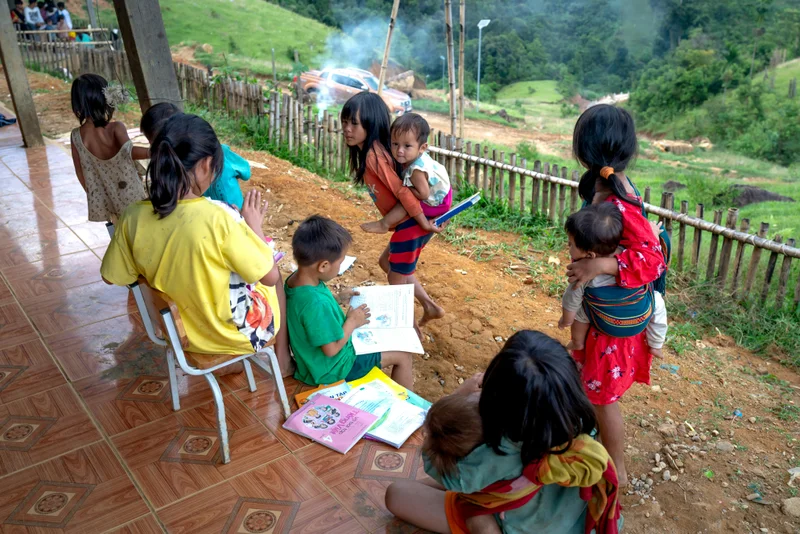
About 80% of families choose this path. Parents teach their own kids here. Books and materials are your choice. The schedule is yours to set. All paperwork is handled by you.
This option gives you the most freedom. Any curriculum works here. Teach any way you want. Full control stays with your family.
What you must do:
- File a notice 14 days before you start
- Teach for 172 days (4+ hours each day)
- Cover all 9 required subjects
- Keep attendance and shot records
- Test in grades 3, 5, 7, 9, and 11
- Send test results to your district
Best for: Families who want full control. If you like making your own choices, this is for you.
Option 2: Join an Umbrella School
With this choice, you join a school that helps you. They handle most paperwork. Many also have classes, co-ops, and field trips.
These schools vary a lot. Religious options exist alongside secular ones. Weekly group classes happen at many locations. Others just do the admin work for you. Look at a few before you pick one.
Why families like it:
- Less paperwork stress
- Help picking books and materials
- Built-in friends and activities
- Someone else tracks your records
- Often handles testing too
Best for: Families who want help and support. Great for first-time homeschoolers who feel nervous about going it alone.
Option 3: Use a Licensed Teacher
Do you have a Colorado teaching license? Then you skip most rules. No notice needed. No testing required. You can also hire a licensed teacher to teach your kids.
The catch? You must keep your license active. That costs time and money every few years. Most families find Options 1 or 2 easier.
Best for: Families where mom or dad already has a teaching license.
How to Start Homeschooling in Colorado
Ready to begin? Follow these five steps. You’ll be legal and teaching in no time.
Step 1: File Your Notice
Send a letter to any Colorado school district. Do this 14 days before you start teaching. You can pick any district in the state. It doesn’t have to be where you live.
Your notice needs:
- Your child’s full name
- Your child’s age and birth date
- Your home address
- How many hours you’ll teach
Most districts have a form on their website. A simple typed letter works too. Keep a copy for your files.
Big tip: You file this every year. Not just once. Mark your calendar so you don’t forget.
Step 2: Pick Your Curriculum
Colorado says what subjects to teach. But you pick the books and materials. No list is required. Use textbooks, online classes, or hands-on projects. Mix and match what works.
Some families research for weeks before they buy anything. Others jump in and figure it out as they go. Both ways work fine. Don’t let this step hold you back. States like North Carolina and Michigan have similar curriculum flexibility.
Step 3: Set Up Your Records
Keep three things on file:
- Attendance: Mark your 172 school days on a calendar
- Shot records: Vaccines or exemption forms
- Test scores: Results from grades 3, 5, 7, 9, and 11
A folder or binder works great. Keep it all in one spot where you can find it.
Step 4: Plan for Testing
Is your child in grade 3, 5, 7, 9, or 11 this year? Plan ahead for the test. Results are due to your district by June 1. More on testing options below.
Step 5: Start Teaching
After 14 days pass, you’re good to go. Start any time of year. No need to wait for fall. The public school calendar doesn’t apply to you.

The 9 Required Subjects
Colorado requires nine subjects. Here’s the full list with ideas for each:
- Reading – Books, phonics, stories, book reports
- Writing – Handwriting, papers, grammar, creative writing
- Speaking – Talks, discussions, debates, show and tell
- Math – Basic skills through algebra and beyond
- History – U.S. and world history, local history
- Civics – Government, citizenship, how laws work
- Literature – Novels, poetry, plays, short stories
- Science – Biology, physics, nature study, experiments
- U.S. Constitution – The Bill of Rights, amendments
You choose how to teach each one. Use books, videos, field trips, or projects. The law doesn’t care about your method. It just says to cover these topics.
Many families mix subjects together. A history unit can include reading and writing. A nature walk covers science and speaking. A trip to the capitol teaches civics. Get creative with it.
Testing Requirements
Colorado requires tests in grades 3, 5, 7, 9, and 11. You have two choices to meet this rule.
Choice 1: Give a Standard Test
Use a national test like one of these:
- Iowa Test of Basic Skills (ITBS)
- Stanford Achievement Test
- California Achievement Test (CAT)
- TerraNova
- Woodcock-Johnson
You can give most tests at home. Order the test from a provider. Follow the steps they send you. Mail in the answers for scoring. Results arrive in a few weeks.
Testing typically happens in spring. Many families test between March and May. This leaves time to get results back before the June 1 deadline. Order your test early to avoid delays.
Choice 2: Get an Expert Review
Have a qualified person look at your child’s work. These people count as qualified:
- Licensed Colorado teacher
- Private school teacher
- Licensed psychologist
- Someone with a master’s in education
They review your child’s work and progress. Then they write a letter saying your child is doing well. Send that letter to your district instead of test scores.
What Happens to Results?
Send results to your district by June 1. Here’s the good news: they can only look at them. They can’t tell you what to teach. They can’t make you change anything based on scores. The scores are just for records.
What Records to Keep
Good records protect you. They also help with college later. Keep these three things safe:
1. Attendance Records
Track your 172 teaching days each year. Use a wall calendar or planner. Check off each day you do school. Some families also note what subjects they covered.
2. Test Scores
Save all tests and review letters. Keep them for grades 3, 5, 7, 9, and 11. Store them somewhere safe and dry.
3. Shot Records
Keep vaccine records for each child. Colorado allows exemptions for medical, religious, or personal reasons. If you have an exemption, save that paperwork too.
How long to keep records? At least until two years after your child finishes high school. Colleges often ask for this info when your child applies.
Colorado Homeschool Resources
Official Help
- HSLDA Colorado Page – Legal help and member support
- Christian Home Educators of Colorado (CHEC) – State group since 1990 with conferences and directories
- Colorado Dept. of Education – Official state info and forms
Local Groups by Area
Colorado has homeschool groups in every part of the state:
- Denver Metro: Dozens of groups to choose from
- Colorado Springs: Many co-ops and enrichment classes
- Fort Collins: Northern Colorado homeschool groups
- Boulder: Secular and religious options
- Western Slope: Groups for mountain and rural towns
Big Annual Event
Each June, CHEC hosts a big conference in Denver. You’ll find workshops, used book sales, and hundreds of other families. It’s the largest homeschool event in Colorado. Great for getting inspired.
Homeschool Costs in Colorado
Homeschool costs vary widely. Budget families spend under $500 per year using library books and free online resources. Full curriculum packages run $500-$2,000 per child. Co-op fees add $50-$200 monthly. Testing costs about $50-$100 every other year for required grades.
Special Situations
Pulling Your Child from Public School
Want to switch to homeschool mid-year? You can do it any time. Here’s how:
- File your notice of intent (14 days early)
- Tell the school you’re taking your child out
- Get copies of your child’s records and transcripts
You don’t need permission. You don’t need to wait for summer. The choice is yours. Many states work this way. See our guides for Ohio and Pennsylvania for similar processes.
High School and Graduation
In Colorado, parents give the diploma. You decide when your child is done with high school. You make the diploma yourself. It’s legally valid for jobs and colleges.
For college prep, focus on these things:
- Make detailed transcripts with grades
- Track credits by subject
- Document activities and volunteer work
- Prep for SAT or ACT junior year
- Research what colleges want early
Special Needs
Colorado doesn’t add extra rules for special needs kids. You follow the same steps as everyone else. But note: you won’t get public school services unless you enroll part-time in public school.
School Sports
Can homeschoolers play public school sports? Maybe. Colorado has no state law that says yes or no. Each district decides on its own. Some say yes. Some say no. Call your local athletic office to ask about their policy.
Frequently Asked Questions
Do I need a teaching degree in Colorado?
No. Options 1 and 2 have no parent education requirements at all. Only Option 3 needs a teaching license. And that choice is up to you.
Can my homeschooler play school sports?
It depends on your district. Colorado has no state rule about this. Some districts welcome homeschoolers. Some don’t allow it. Call your local school to ask.
How do I give my child a diploma?
You make it yourself. When your child finishes high school, create or buy a diploma. Have a ceremony if you want. It’s legally recognized by employers and colleges.
What if I skip the required tests?
The law says to test. But few families get in trouble for skipping. Still, testing helps with college applications. It also keeps you safe legally. It’s worth doing.
Can I start homeschool mid-year?
Yes. File your notice 14 days before you want to start. Colorado doesn’t care about the calendar. Start when you’re ready.
Start Your Colorado Homeschool Journey Today
Colorado makes homeschooling doable. The rules are clear. The community is strong. And you have three options to fit your family’s style. Want to compare with other states? Check our guides for Virginia and Illinois.
Here’s your action plan:
- Pick your option (most families choose Option 1)
- File your notice of intent with any district
- Choose your curriculum for each subject
- Set up a simple record-keeping system
- Join local homeschool groups for support
Thousands of families successfully homeschool in Colorado every year. With the Rocky Mountains nearby and great museums in Denver, endless learning opportunities await. Colorado truly is a wonderful place to teach your kids at home.
Official Links
- Colorado DOE – Homeschool Info
- HSLDA Colorado Laws
- Law: Colorado Revised Statutes § 22-33-104.5
- Email: Home_School@cde.state.co.us

Leave a Reply