
This post may contain affiliate links. If you purchase through these links, we may earn a small commission at no extra cost to you. We only recommend products we genuinely believe will help your homeschool.
After years of homeschooling, we’ve found that outdoor observation is one of the most rewarding practices. It costs little and works for all ages. It also builds skills that enhance every area of learning. Charlotte Mason championed this approach over a century ago. Modern homeschoolers continue finding its remarkable benefits.
Getting started can feel scary if you lack outdoor expertise. However, this guide walks you through everything you need. We cover basic supplies and weekly routines. Whether you’re building a complete science curriculum or simply adding outdoor exploration, these practices will enrich your homeschool for years.
Quick Overview: Starting Nature Study
In our experience, success requires only:
- Regular outdoor time (even 15-20 minutes counts)
- A nature journal for recording observations
- Basic field guides for identification
- Curiosity and willingness to notice details
- Patience with the learning process
What is Nature Study?
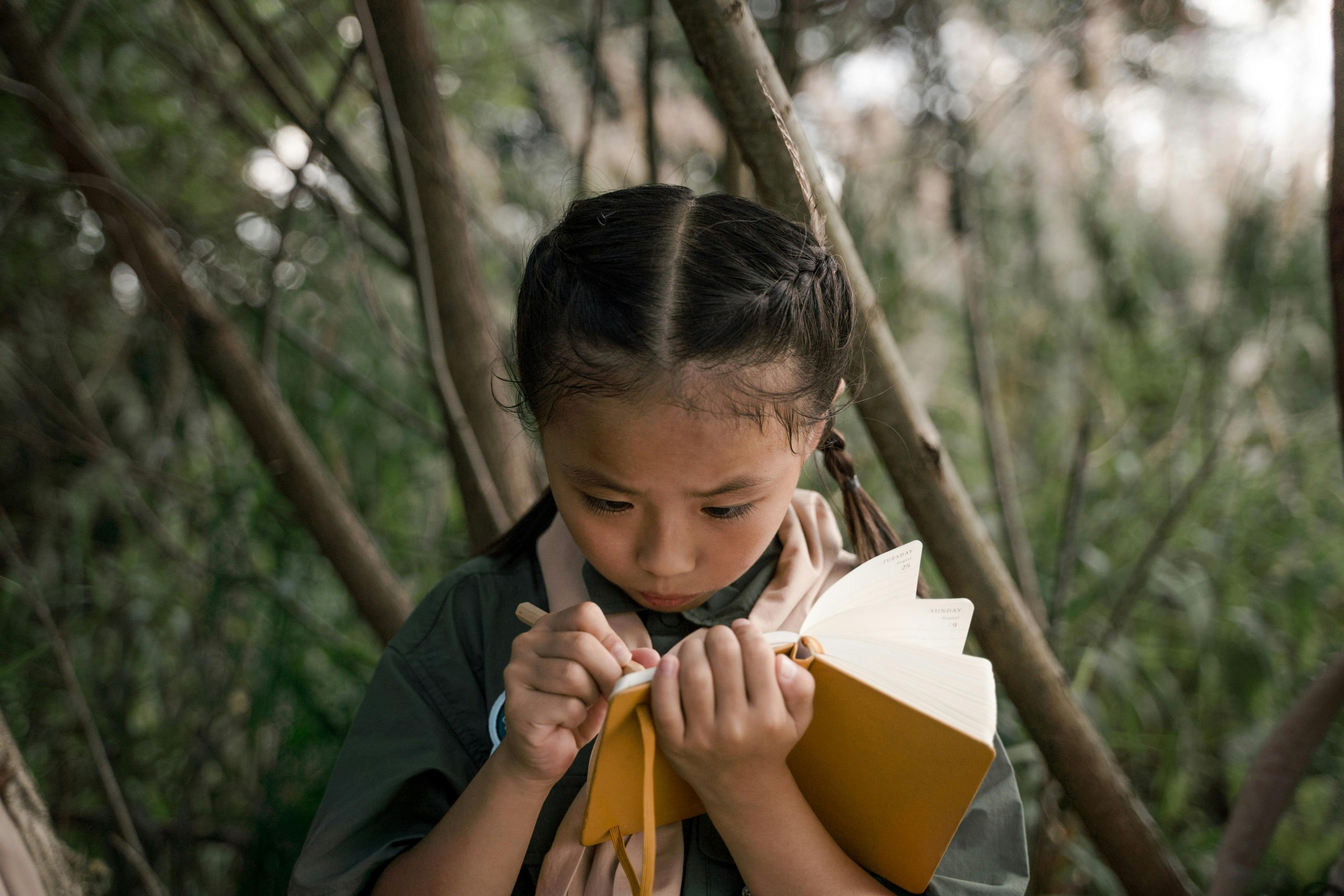
This approach involves careful observation of the natural world. You document what you see through writing and drawing. Unlike formal biology classes, it stresses direct experience over textbook learning. Children observe actual plants, animals, weather, and ecosystems rather than reading about them.
This method also builds several key skills at once. These include scientific observation, drawing, writing, and patient attention. A single outdoor session can cover science, art, language arts, and PE naturally. For more structured methods, explore how to teach science at home.
Observation vs. Identification
Beginners often mix up observation with identification. While naming species has value, thoughtful outdoor study goes deeper. Instead of just naming a bird, this approach asks: What is it doing? How does it move? What sounds does it make? Where does it spend time? What does it eat?
Observation comes before identification. A child who watches a bird for twenty minutes learns far more than one who names it from a distance and moves on. Names come later. Observation habits matter more.
Charlotte Mason’s Vision
Charlotte Mason believed children should spend lots of time outdoors. They should build firsthand bonds with nature before studying it in books. According to her writings preserved by Ambleside Online, she wrote, “Never be within doors when you can rightly be without.”
Her approach emphasizes:
- Regular outdoor time as essential, not optional
- Direct observation rather than secondhand information
- Nature journals documenting personal discoveries
- Living books that bring nature to life
- Slow, patient attention to single specimens
Essential Supplies for Outdoor Observation
The Nature Journal
A journal forms the heart of this practice. Therefore, choose based on your priorities:
- Blank pages: Maximum flexibility for drawing and writing; can be intimidating for reluctant artists
- Lined pages: Better for writing-focused students; harder for detailed drawings
- Mixed format: Some pages lined, some blank; versatile but may feel disorganized
- Watercolor paper journals: Accept wet media well; typically more expensive
Start simple. We’ve found that a spiral-bound sketchbook works great. Expensive journals can scare beginners who fear “messing up” nice pages. So upgrade only after the habit is set.
Drawing and Writing Tools
Basic supplies include:
- Pencils (variety of hardnesses helpful for detail work)
- Colored pencils (for natural coloring)
- Fine-point pens (for labeling and writing)
- Watercolors (optional but enjoyable for many)
- Eraser and sharpener
Don’t overwhelm yourself with supplies. Start with pencils and colored pencils. Then add other media as interest grows.
Field Guides
Field guides help identify what you observe. Choose guides specific to your region when possible. Essential categories include:
- Birds of your region
- Trees and plants of your area
- Insects and spiders
- Mammals (if wildlife is common nearby)
- Wildflowers (for seasonal observation)
Apps like iNaturalist, Merlin Bird ID, and Seek help with identification. They also connect you to citizen science groups. The National Wildlife Federation offers great educational resources too. Still, physical field guides teach browsing skills and work without batteries.
Observation Tools
These optional tools enhance observation:
- Magnifying glass or hand lens (essential for small specimens)
- Binoculars (for birds and distant wildlife)
- Bug jars (for temporary insect observation)
- Small containers (for collecting specimens to draw)
- Camera or phone (for reference photos)
Establishing Your Outdoor Observation Routine
Frequency and Duration
Being steady matters more than length. A weekly 30-minute outdoor walk beats an occasional two-hour trip. Many families schedule:
- Daily: Brief outdoor time (even 10-15 minutes) for general observation
- Weekly: Dedicated nature study session (30-60 minutes) with journaling
- Monthly: Longer exploration of a new location or focused study topic
Start small. Building a lasting habit beats big plans that fall apart after a few weeks.
Where to Practice Outdoor Observation
Observation happens anywhere outdoors. You don’t need wilderness or special spots:
- Your backyard offers endless observation opportunities
- Local parks provide diverse habitats
- Even urban areas have birds, insects, plants, and weather
- Vacant lots often host surprising biodiversity
- Windowsills with bird feeders bring nature inside
Going back to the same spot again and again reveals changes across seasons. A familiar place becomes a lab for watching natural cycles. This approach pairs well with hands-on science curriculum options.
Sample Observation Session
A typical session might include these steps:
- Arrival (5 minutes): Quiet moment to observe surroundings with all senses
- Exploration (15-20 minutes): Free wandering, following interests, collecting observations
- Focused observation (10-15 minutes): Close study of one chosen specimen
- Journal time (10-15 minutes): Drawing and writing about observations
- Identification (5-10 minutes, optional): Using guides to name observed species
Adapt this plan to your children’s ages and attention spans. Younger children may need shorter focused time. Older students often get absorbed in detailed watching. For grade-specific tips, see our science curriculum by grade level guide.
Nature Journaling Techniques
For Reluctant Artists
Many children (and parents) resist drawing because they fear poor results. We’ve seen this many times in our homeschool community. Fight this with these tips:
- Shape-based drawing: Identify basic shapes (circles, ovals, triangles) within specimens
- Contour drawing: Draw while looking at the subject, not the page
- Partial drawings: Sketch interesting details rather than entire specimens
- Photographs first: Draw from photos taken during observation
- Focus on accuracy, not beauty: Scientific illustration serves documentation, not decoration
Most of all, model imperfect drawing yourself. Children need to see adults try, struggle, and improve. Don’t just show polished work done with ease.
Journal Entry Components
Complete nature journal entries typically include:
- Date, time, location, and weather
- Drawing of the observed specimen
- Labels identifying parts
- Written observations (behavior, habitat, questions)
- Measurements if relevant
- Questions for further investigation
Young children might only draw and dictate a sentence. Older students can write detailed field notes. Match what you expect to your child’s stage.
Types of Nature Journal Entries
Vary your journal entries to maintain interest:
- Species portraits: Detailed study of one plant or animal
- Habitat maps: Bird’s-eye view of an area showing what lives where
- Comparison studies: Two similar species side by side
- Seasonal records: Same location across different seasons
- Life cycle documentation: Following a plant or animal through changes
- Weather observation: Clouds, precipitation, temperature patterns
Outdoor Observation Through the Seasons
Spring
First, spring offers abundant opportunities:
- Bird migration and nesting behavior
- Wildflower emergence and identification
- Tree budding and leaf development
- Insect life cycles (caterpillars, butterflies)
- Amphibian egg masses and tadpole development
Summer
Next, long days allow extended outdoor time:
- Insect diversity at peak
- Bird fledglings learning to fly
- Garden observations of plant growth
- Pond life exploration
- Nocturnal observations (fireflies, moths, stars)
Fall
Then, seasonal changes provide dramatic study subjects:
- Leaf color changes and fall
- Seed dispersal mechanisms
- Bird migration patterns
- Animal preparation for winter
- Mushroom and fungi identification
Winter
Finally, quieter seasons still offer rich learning opportunities:
- Bird identification (easier without leaves)
- Animal tracks in snow
- Evergreen tree comparison
- Weather and cloud observation
- Indoor study of collected specimens
Making Outdoor Observation Work for Your Family
With Multiple Ages
This approach adapts beautifully to multi-age teaching:
- Everyone observes the same subjects at their level
- Younger children draw simple pictures; older ones add detail
- Older students can help younger siblings notice details
- Reading aloud works for all ages
- Family journals create shared memories
With Reluctant Participants
Some children resist outdoor observation initially. However, these strategies can help:
- Start with their interests (bugs, birds, rocks)
- Keep early sessions short and low-pressure
- Allow free exploration before focused work
- Use nature photography instead of drawing initially
- Connect to stories and books about nature
In Limited Outdoor Spaces
Urban and suburban families can still practice outdoor observation. Consider these options:
- Bird feeders attract wildlife anywhere
- Container gardens allow plant observation
- Parks and green spaces offer diverse habitats
- Indoor plants and pets count as nature
- Weather observation requires only a window
Resources for Outdoor Learning
Books to Enhance Your Practice
These resources support outdoor observation practice. You can find many of these at secular science curriculum providers:
- Handbook of Nature Study by Anna Botsford Comstock (classic comprehensive reference)
- Keeping a Nature Journal by Clare Walker Leslie (journaling guidance)
- The Laws Guide to Nature Drawing and Journaling by John Muir Laws (techniques for all levels)
Online Communities
Connect with other families who practice outdoor observation:
- iNaturalist for identification help and citizen science
- Outdoor Hour Challenge provides structured observation plans
- Charlotte Mason homeschool groups often share outdoor learning resources
Frequently Asked Questions
What if I can’t identify what we observe?
Naming is less important than watching. Write down what you see with drawings and notes. Research later using field guides, apps, or online groups. Many observations stay unnamed, and that’s fine. The watching process itself builds scientific skills whether or not you learn the species name.
How do I teach nature study when I don’t know much about nature?
Learn alongside your children. Your desire to observe, wonder, and search shows lifelong learning. Use field guides together and research questions as a family. Admit when you don’t know something. Children benefit from seeing adults as fellow learners, not all-knowing experts.
What age can children start nature study?
Nature study starts from birth through outdoor time. It grows as children grow. Toddlers explore sensory experiences outdoors. Preschoolers begin simple observation and dictated journals. Elementary students build independent journaling skills. There’s no minimum age for spending time in nature.
How do I handle children who want to run around instead of observe?
Build in free play time before focused watching. Children need to move and play outdoors. Fighting this need fails. After physical activity, children often settle into observation more easily. Keep focused time short at first and lengthen it as attention grows.
What do we do when the weather is bad?
Bad weather offers unique chances to observe: rain patterns, cloud shapes, wind effects on plants. Dress right and go outside anyway when it’s safe. Indoor options include window watching, studying collected items, reading nature books, or working on journal entries from past outings.
Getting Started This Week
Begin your practice with these simple steps:
Today: Take a 15-minute walk outside with no agenda. Simply notice what captures your attention.
This Week: Acquire a basic journal and some pencils. Choose one small area (even just a single tree or patch of ground) to observe regularly.
This Month: Establish a weekly outdoor learning time. Create your first journal entries focusing on what you see rather than identification.
This Season: Develop consistent habits before adding complexity. Observe seasonal changes in your chosen location.
Outdoor observation requires no special training, costly materials, or wilderness access. It needs only time outdoors, attention to the world around you, and a desire to record what you notice. Start simple, stay steady, and watch as this practice changes how your family sees the world.
The natural world offers endless learning, free of charge, in your own backyard. Our children still talk about the owl they spotted three years ago. They remember the monarch caterpillar they watched change. Your children will recall these outdoor trips long after they forget textbook lessons. Begin today and discover why many homeschoolers find this approach among their most treasured practices.



Leave a Reply