Last updated: January 2026. This comparison reflects current homeschooling statistics and public school data.
Should you homeschool or send your kids to public school? It’s one of the biggest decisions you’ll make as a parent. Over the years, I’ve worked with hundreds of homeschool families and observed both options work beautifully—and both fail—depending on the family’s circumstances.
Here’s the truth: there’s no “better” choice that works for everyone. What matters is finding what fits your child, your family, and your goals. So let’s break down the key differences to help you decide.
Quick Comparison at a Glance
Before diving into details, here’s a high-level overview of how homeschooling and public school compare across key factors:
| Factor | Homeschooling | Public School | Winner Depends On |
|---|---|---|---|
| Cost | $600-$2,000/year (curriculum) | Free (tax-funded) | Your budget and priorities |
| Schedule | Fully flexible | Fixed 7-8 hours/day | Your lifestyle needs |
| Curriculum | Parent’s choice | State-mandated | How much control you want |
| Pace | Individualized | Class average | Your child’s learning speed |
| Socialization | Parent-directed | Built-in (same-age peers) | Your social preferences |
| Parent Time | High (teacher role) | Low (student drops off) | Your availability |
| Special Needs | Fully customizable | IEP/504 services available | Your child’s specific needs |
| Extracurriculars | Community-based | School-sponsored | What activities matter to you |
Academic Performance Comparison
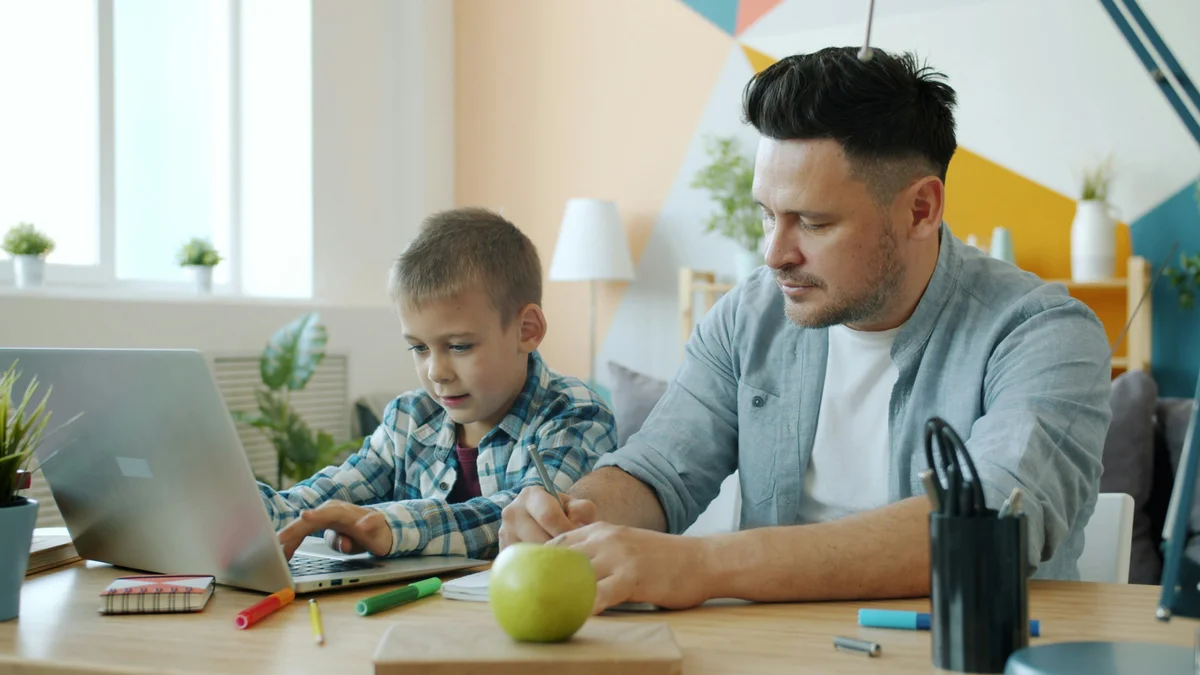
When it comes to academic outcomes, both options can produce excellent results. However, the research shows some interesting patterns.
Homeschool Academic Outcomes
According to the National Home Education Research Institute (NHERI), homeschooled students score 15 to 25 percentile points higher on standardized achievement tests. In my experience reviewing test scores from hundreds of families, SAT scores for homeschoolers average around 1230—about 50 points above the national mean. ACT composite scores show similar patterns, with homeschoolers averaging 22.8 compared to the 20.8 national average.
However, here’s the catch. Families who homeschool chose to invest in education. As a result, they’re motivated. That drive causes much of the academic success—not just the format.
Public School Academic Outcomes
Public school results vary by district. According to the National Center for Education Statistics, public schools serve 50 million kids yearly. Therefore, good districts produce great results while poor districts struggle.
Furthermore, public schools also offer resources most families can’t provide at home—science labs, shop classes, gifted programs, and special education services. As such, your local school’s quality matters far more than national stats.
What the Research Really Tells Us
Here’s my honest takeaway after 12 years of working with families: engaged parents produce successful students. The method matters less than you’d think. Research published in the Journal of School Choice confirms that parental involvement accounts for 86% of the variance in student outcomes—far more than school type. Kids whose parents stay involved do well in either setting—checking homework, reading together, and discussing what they’re learning.
I’ve seen homeschooled kids struggle because parents were distracted. I’ve also seen public school kids thrive because parents made education a priority at home. The format is just a container. What you put into it determines the results.
Socialization: The Most Debated Topic
Nothing sparks more debate than the socialization question. Let me address both perspectives fairly.
The Case for Homeschool Socialization
Homeschooled children socialize differently, not less. Instead of spending six hours daily with 25 same-age peers, they interact with people of various ages through:
- Co-ops and classes – Weekly gatherings with other homeschool families
- Sports leagues – Community and homeschool athletic teams
- Music and arts – Lessons and performances with mixed-age groups
- Community involvement – Volunteering, church, and neighborhood activities
- Family relationships – More time with siblings, parents, and extended family
Many homeschool parents say this prepares kids for real life. Think about it: adults don’t spend all day with people their exact age. Instead, they work with younger and older people daily. Based on what I’ve seen over 12 years working with homeschool families, homeschooled kids often feel more comfortable talking with adults because of this mixed-age exposure. Research from the Peabody Journal of Education supports this—homeschooled adults report higher levels of civic engagement and life satisfaction.
The Case for Public School Socialization
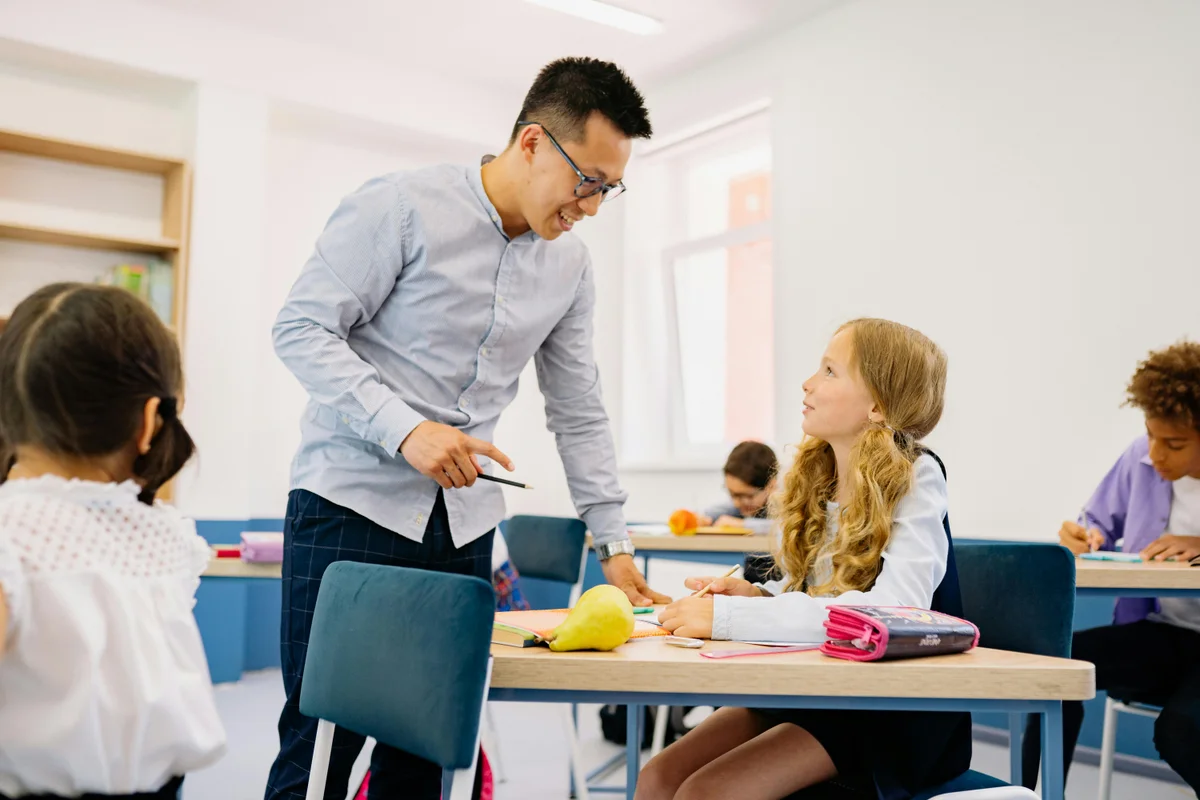
In contrast, public school offers daily contact with peers. Kids learn to handle social conflicts, build independence, and figure things out without mom or dad nearby.
Moreover, some kids thrive in a busy classroom. I’ve met shy parents with outgoing kids who light up around other children and need more social time than homeschooling naturally provides.
Additionally, public school exposes kids to diversity—families with different backgrounds, incomes, and cultures. Homeschool families have to seek out this diversity on purpose.
The Honest Answer About Socialization
Ultimately, both options can raise well-socialized kids. Similarly, both can also raise socially awkward kids. The schooling method isn’t the deciding factor—what matters is whether parents actively help their kids build social skills.
If you homeschool, create social chances on purpose. If you pick public school, stay aware of what’s happening socially. Step in when your child needs help.
Cost Comparison
Let’s examine the real financial implications of each choice.
Homeschool Costs
Direct costs vary significantly based on your approach:
- Curriculum: $200-$1,500 per child annually (varies by grade and subjects)
- Supplies: $100-$300 per year
- Activities: $500-$2,000 for co-ops, sports, music, etc.
- Testing: $50-$200 if required by your state
Nevertheless, don’t forget the hidden cost: parental time. One parent often works less or quits entirely. For instance, if your family loses $30,000-$50,000 in income, that’s the real cost. The books are cheap by comparison.
Public School Costs
Public school is “free” but still involves expenses:
- School supplies: $100-$300 per year
- Activity fees: $200-$1,000 for sports, clubs, field trips
- Technology: $0-$500 depending on school-provided devices
- Before/after care: $3,000-$10,000 annually if needed
- School lunch: $500-$1,000 per year
In addition, many families also pay $1,000-$5,000+ for private tutoring. That’s an extra cost you might avoid by homeschooling.
Bottom Line on Costs
In summary, if a parent would otherwise work, homeschooling costs more because of lost income. Conversely, if a parent would be home anyway, the costs are about equal. Be sure to factor in tutoring, activities, and childcare when you compare.
Time Commitment and Flexibility
The daily time investment differs dramatically between options.
Homeschool Time Requirements
Typically, elementary homeschool takes 2-4 hours daily, while middle school needs 3-5 hours. High school may reach 4-6 hours for more challenging courses.
Yet homeschool offers remarkable flexibility. Specifically, you can:
- Start later if your child is a night owl
- Take vacations during off-peak seasons
- Adjust the schedule for activities, travel, or family events
- Complete a week’s work in four days if needed
- Take breaks when life gets overwhelming
Consequently, many families say homeschooling gives them more time, not less. There’s no rushing for the bus, no homework battles at night, and no stressful bedtimes before early mornings.
Public School Time Requirements
By comparison, public school runs about 6.5 hours daily plus homework—that’s 30 minutes to two hours extra depending on grade level. When you factor in commute time, you’re looking at 8+ hours per day.
The tradeoff? Parents get free time during school hours—time to work full-time, pursue hobbies, or simply enjoy a break from the kids.
On the flip side, public school has rigid schedules. Vacations must match the school calendar, appointments need early dismissal, and sick days mean makeup work.
Curriculum and Educational Approach
Control over what and how children learn differs significantly.
Homeschool Curriculum Choices
Homeschoolers can choose from thousands of curriculum products and learning platforms. Each product type has unique features designed for different learning styles:
- Traditional textbook programs: Key features include structured lessons, comprehensive scope, and teacher-guided instruction
- Online schools: Best features are video instruction with live or recorded classes and built-in grading
- Unit studies: Ideal for hands-on learners—theme-based learning integrating multiple subjects
- Classical education: Language-focused with emphasis on great books
- Charlotte Mason: Literature-rich, nature-based approach
- Unschooling: Child-directed, interest-led learning
With homeschooling, you can mix methods, change approaches mid-year, speed up in strong areas, and slow down where your child struggles. This flexibility is homeschooling’s biggest academic advantage.
Public School Curriculum
Public schools follow state standards with standardized curriculum products selected at the district level. Teachers have some freedom in how they teach, but the content features and scope are mostly fixed. This ensures all kids cover the required material and meet state benchmarks.
The downside? Curriculum moves at the class’s average pace. Consequently, fast learners may be bored while struggling students may fall behind. Although teachers try to adjust, with 25-30 students they can’t fully customize for each child.
Special Considerations
Children with Learning Differences
Public schools must provide services under IDEA (Individuals with Disabilities Education Act). Kids with learning disabilities can get IEPs, speech therapy, and occupational therapy at no cost to families.
On the other hand, homeschooling offers different perks. You control the pace, methods, and environment. For example, kids with ADHD often thrive when they don’t have to sit still for hours. Likewise, dyslexic students can use special reading programs without fighting for an IEP.
Truthfully, neither option is always better for special needs kids. Some need the professional services at public schools, while others do better with homeschool’s flexibility. It depends entirely on the child’s specific needs and your family’s capacity to provide support.
Gifted and Advanced Students
Advanced kids sometimes outgrow what public school offers. As a result, homeschooling lets them work at their level without waiting for classmates to catch up.
However, good public schools may offer gifted programs, magnet schools, or dual enrollment. These options challenge smart kids well. Therefore, check your local options before assuming homeschool is the only way.
High School and College Preparation
High school homeschooling takes more planning. Creating transcripts becomes your responsibility. Tracking graduation requirements falls on you as well. On top of that, you’ll handle college applications without a guidance counselor’s support.
Fortunately, colleges welcome homeschoolers. Admissions offices know how to evaluate them. In fact, many say homeschooled students arrive better prepared for college-level independence.
Our Recommendation for Special Situations
Based on what I’ve seen work best, here’s which option is best suited for different situations:
- For kids with ADHD: Homeschooling is best suited for these learners due to movement breaks and shorter focused sessions
- For kids with dyslexia: Homeschool allows specialized reading programs suited for individual pace
- For highly gifted kids: Both can work—homeschool is suited for acceleration, while public school offers gifted programs
- For anxious kids: Homeschool is well suited for building confidence first, then consider transitioning later
- For athletic kids: Public school sports may be suited for your child—check your state’s “Tim Tebow” laws
Making Your Decision
Now, here’s practical guidance based on different family situations.
Homeschooling Is Best For Families Who:
- Have a child whose specific needs aren’t being met by traditional school
- Work schedule flexibility allows a parent to teach at home
- Family values differ from what public schools offer
- Medical needs require a more flexible daily schedule
- Frequent travel makes traditional schooling impractical
- Local schools are underperforming or have safety concerns
- Academic level is significantly above or below grade level
Public School Is Ideal For Families Who:
- Have both parents working full-time without option to reduce hours
- Children thrive best in social, structured environments
- Local public schools have strong ratings and programs
- Professional services like therapy or advanced labs are needed
- Separating parent and teacher roles feels important to you
- School-based activities like sports and clubs matter to the family
Remember: It’s Not Permanent
Above all, remember that whatever you choose, you can change your mind. Families switch from public school to homeschool regularly, and homeschoolers enroll in public school when circumstances change. Your decision this year doesn’t lock you in forever.
Evaluation Criteria: Questions to Ask Yourself
Before you decide, I recommend working through these key questions. They’ll help you evaluate which option best fits your situation.
Questions About Your Child
- Does my child learn best with structure or flexibility?
- How does my child handle social situations? Do they need more or less interaction?
- Are there learning challenges that would benefit from individualized attention?
- What subjects or activities excite my child most?
- How does my child respond to adult authority vs. parental guidance?
Questions About Your Family
- Can one parent be available to teach during school hours?
- What’s our family’s financial situation if one income decreases?
- Do we have the patience and desire to teach our own children?
- What support system (co-ops, family, community) do we have nearby?
- How important is schedule flexibility to our lifestyle?
Questions About Your Local Schools
- How do the ratings and test scores look for nearby public schools?
- Are special programs (gifted, arts, STEM, special needs) available?
- What’s the student-to-teacher ratio?
- How do current parents describe the school culture?
- Are there safety concerns I should know about?
Taking time to honestly answer these questions will point you toward the best choice for your unique situation.
Real-World Examples: What I’ve Seen Work
After helping hundreds of families make this choice, patterns emerge. Here are real examples (names changed) that show how different families found their path.
The Struggling Reader Who Needed Homeschool
Jake was in third grade and couldn’t read at grade level. His school tried interventions, but he kept falling behind. His mom pulled him out and used a phonics-based reading program at home. She worked with him one-on-one for 45 minutes daily. Within eight months, Jake was reading chapter books. The key? He needed more time and a different method than the classroom could offer.
The Social Butterfly Who Needed Public School
Maya was homeschooled through second grade. She was academically ahead but constantly asking for playdates. Her parents tried co-ops and activities, but she craved daily peer contact. They enrolled her in public school for third grade. She loved it. Her grades stayed strong, and she made lasting friendships. Some kids simply need that daily social environment.
The Family That Does Both
The Hendersons have three kids. Their oldest attends public high school for dual enrollment and sports. Their middle child is homeschooled because she works better at her own pace. Their youngest alternates between homeschool and public school depending on the year. This hybrid approach works because they stay flexible and respond to each child’s needs.
What These Stories Teach Us
Notice the common thread: these families watched their kids and adjusted. Rather than picking an option based on ideology, they picked based on results. That’s the approach I recommend. Start somewhere, observe carefully, and be willing to change if it’s not working. After all, the goal isn’t to prove homeschooling or public school is “better”—it’s to help your child thrive.
Frequently Asked Questions
Is homeschooling better than public school academically?
Research shows homeschoolers often score higher on standardized tests. However, this reflects parental engagement more than the schooling method itself. Both options can produce excellent academic outcomes when parents stay involved.
Will my child be socialized properly if homeschooled?
Homeschooled children can be well-socialized, but parents must actively create opportunities. Co-ops, sports leagues, community activities, and family events provide social interaction. The key is intentional effort, not the schooling format.
Can I homeschool if I work full-time?
It’s challenging but possible. Options include online school programs, homeschool co-ops, hiring tutors, flexible work arrangements, or having a spouse or relative teach during work hours. Many working families successfully homeschool with creative scheduling.
What about sports and extracurriculars for homeschoolers?
Availability varies by state and district. Some states allow homeschoolers to participate in public school sports (called “Tim Tebow” laws). Community leagues, homeschool athletic associations, and private clubs offer additional options.
Is homeschooling legal in all states?
Yes. Homeschooling is legal in all 50 states, though regulations vary. Some states require notification, curriculum approval, or testing. Others have minimal requirements. Check your state’s specific laws before starting.
Final Thoughts
In conclusion, both homeschooling and public school can provide excellent education. The “right” choice depends entirely on your family’s needs, values, circumstances, and goals.
Most importantly, don’t let anyone pressure you toward either option. Instead, visit local schools, talk to homeschool families, and consider your child’s personality and needs. Then make the decision that fits your family—knowing you can adjust if circumstances change.
Ready to explore homeschooling? Start with our complete guide: How to Start Homeschooling.
Want to understand your state’s requirements? Check our State Homeschool Guides for specific regulations and resources.
Leave a Reply