

Yes, You Can Homeschool While Working Full Time
When I started exploring homeschooling for my kids, everyone told me it was impossible. “You work full time—how would you teach them?” After three years of successfully balancing both, I can tell you: it’s challenging but absolutely doable. Thousands of working parents homeschool their children every year, and with the right strategies, you can too.
According to the National Center for Education Statistics, homeschool enrollment has grown significantly since 2020, with estimates suggesting over 3.7 million students are now homeschooled in 2025-2026. A significant portion come from dual-income households. The key isn’t having unlimited time—it’s using your time strategically.
This guide covers practical strategies I’ve learned from experience and from connecting with hundreds of other working homeschool parents. Whether you work from home, have a traditional office job, or juggle shift work, there’s a path that can work for your family.
What This Guide Covers
In this comprehensive guide, you’ll learn the step-by-step process for setting up a working homeschool routine. First, we’ll explore different schedule strategies. Then, we’ll cover curriculum choices that minimize your prep time. Next, we’ll discuss childcare solutions and supervision options. Finally, we’ll address time management and long-term sustainability.
Understanding the Working Parent’s Homeschool Reality
Before diving into strategies, let’s be honest about what homeschooling while working actually looks like. It’s not picture-perfect. Some days, your kids will do independent work while you handle work calls. Other days, you’ll feel pulled in every direction. That’s normal—I’ve experienced both extremes in a single week. If you’re still weighing whether homeschooling fits your situation, our quiz on whether homeschooling is right for your family can help clarify your decision.
The good news? Homeschooling doesn’t require six hours of direct instruction like traditional school. Research from the Coalition for Responsible Home Education shows that focused one-on-one instruction is far more efficient than classroom teaching. A landmark study by Dr. Brian Ray at the National Home Education Research Institute found that homeschooled students typically score 15-25 percentile points higher than public school students on standardized tests—regardless of parent income or education level. Most homeschooled students complete their core academics in 2-4 hours per day.
This efficiency creates flexibility that working parents can leverage. Your job isn’t to replicate school at home—it’s to facilitate mastery-based learning in a way that fits your family’s schedule. Many working parents discover that homeschooling’s individualized instruction, flexible pacing, and reduced transition time make it more practical than they initially assumed. When I finally understood this concept, our homeschool transformed from stressful to sustainable. For a deeper comparison with institutional schooling, see our homeschooling vs public school analysis.
If you’re just starting out, our complete guide to starting homeschooling walks through the foundational steps. For working parents, the process involves additional planning that we’ll cover here.
Common Work Situations and Homeschool Approaches
Your work arrangement significantly impacts which homeschool approach will work best:
- Work-from-home parents: Can supervise learning during breaks, use early morning or evening hours for direct instruction like phonics or math lessons
- Traditional office workers: Often rely on grandparents, homeschool co-ops, or carefully structured independent study during work hours
- Shift workers: May do school during unconventional hours—evening or weekend-heavy schedules
- Part-time workers: Have more flexibility but still need efficient routines
One family I know—a nurse working three 12-hour shifts per week—does all their structured academics on her four days off, using her work days for light review and audiobooks. Another family with two parents working traditional 9-5 jobs splits teaching duties: Mom handles morning math before work, Dad covers evening reading and science. Both families report their children performing at or above grade level on standardized assessments.
Schedule Strategies That Actually Work
The most successful working homeschool parents don’t try to replicate a school schedule. Instead, they design routines around their actual availability. According to a 2025 Bureau of Labor Statistics report, 91.9% of families with children have at least one employed parent—meaning the traditional stay-at-home homeschool model simply doesn’t reflect most families’ reality.
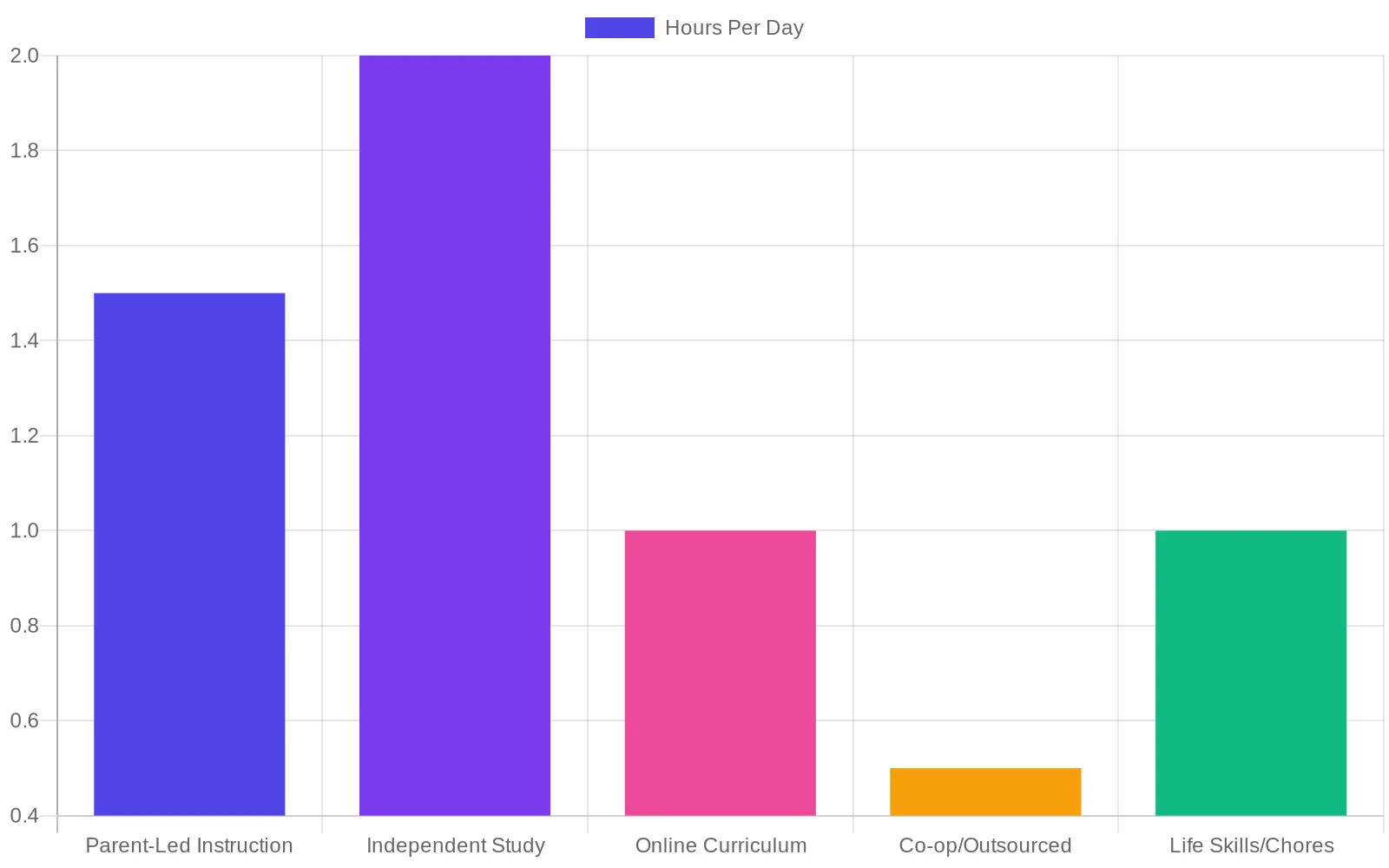
Here’s the method I recommend for finding your ideal schedule:
- Track your availability: Monitor your current work schedule for one week, noting every pocket of free time.
- Categorize subjects: Identify which subjects require your direct involvement versus what your child can do independently.
- Match time to teaching: Align high-attention subjects to your available time blocks.
- Test and adjust: Try the schedule for two weeks before making changes.
The Split-Day Approach
Many working parents divide the school day into chunks. This is the method that worked best for our family. Morning includes independent reading and math practice. Parent-led instruction happens during lunch breaks or after work. This approach works especially well with older children who can manage some self-directed work.
A typical split-day schedule might look like:
- 6:00-7:00 AM: Parent-led instruction before work (focus subjects like math)
- 9:00 AM-12:00 PM: Independent work or supervised by caregiver (reading, workbooks)
- 5:00-6:30 PM: Parent-led instruction (science experiments, writing, discussions)
The Four-Day School Week
Some working parents compress their homeschool week into four days, leaving one weekday for appointments, field trips, or catch-up work. If you work a traditional Monday-Friday schedule, consider doing school Saturday mornings to lighten the weekday load.
The Evening and Weekend Model
For parents with inflexible daytime schedules, evening and weekend homeschooling is completely valid. Many families successfully do the bulk of their instruction after 5 PM and on Saturdays. Children adjust quickly to non-traditional schedules, and this approach often allows for more parent involvement than trying to squeeze lessons into lunch breaks.
Choosing the Right Curriculum for Working Parents
What’s the single biggest factor in whether working parents succeed at homeschooling? Not time, not money—it’s curriculum choice. The best choices for working parents minimize prep time and maximize independent learning without sacrificing educational quality. After testing over a dozen programs with my own kids, I’ve found that the right curriculum can literally cut your weekly homeschool workload in half. Compared to private school tuition averaging $12,000-$15,000 annually, even premium homeschool curriculum at $500-$1,000 per year is remarkably affordable—see our homeschooling vs private school comparison for detailed cost analysis.
For detailed guidance on selecting your first curriculum, see our guide to choosing your first homeschool curriculum. Below, I’ll focus specifically on what works for busy working parents.
Self-Paced Online Programs
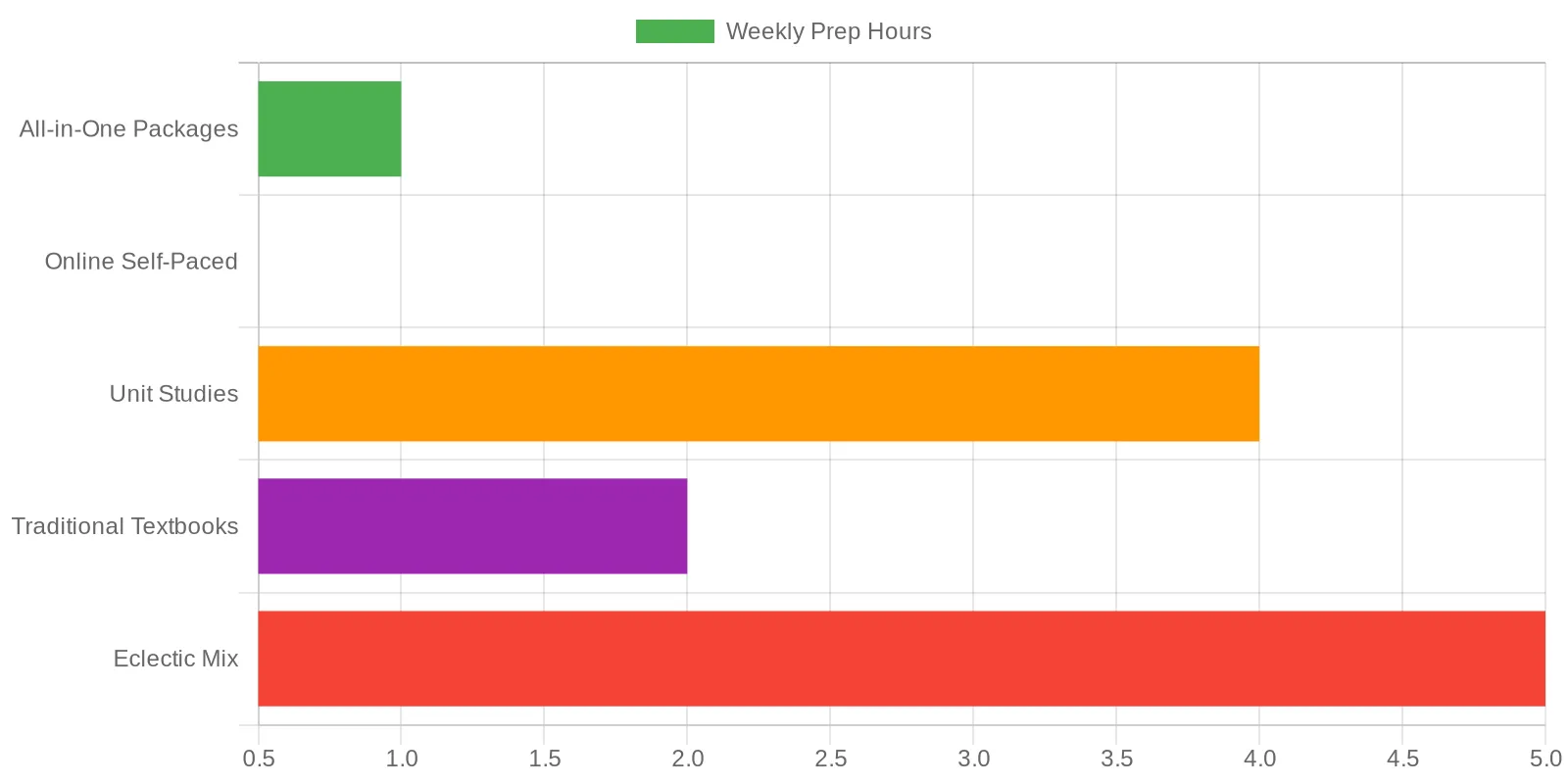
Online curriculum programs have transformed homeschooling for working families. Programs like Teaching Textbooks for math grade automatically, provide video instruction, and track progress—so you’re not spending evenings grading worksheets. Other strong options include IXL for skill practice across subjects, Khan Academy (free) for supplemental instruction, Outschool for live elective classes, and Time4Learning for a complete K-12 online curriculum. For science, Generation Genius offers video-based lessons with automatic quizzes. This single curriculum shift saved me approximately five hours per week in our homeschool.
Look for programs that offer:
- Video lessons (students can learn without parent instruction)
- Automatic grading and progress tracking
- Built-in review and remediation
- Parent dashboards for quick check-ins
All-in-One Curriculum Packages
Complete curriculum packages that include everything—lesson plans, supplies, schedules—save significant planning time. Programs like Sonlight, My Father’s World, and Bookshark provide weekly schedules, all required books, and detailed teacher guides. You open the box, follow the guide, and know exactly what to do each day. For secular options, Build Your Library and Torchlight offer literature-based packages with minimal prep. These “open-and-go” curricula typically cost $400-$800 per grade level but eliminate the 5-10 hours per week many parents spend planning.
Outsourced Classes and Co-ops
You don’t have to teach everything yourself. Many working parents outsource subjects they don’t have time or expertise to teach:
- Homeschool co-ops: Weekly classes taught by rotating parents (your commitment might be teaching once a month)
- Online classes: Live or recorded courses taught by qualified teachers
- Community college dual enrollment: High schoolers can take college courses
- Tutors: For specific subjects like foreign languages or advanced math
Childcare and Supervision Solutions
One of the biggest challenges for working homeschool parents is supervision during work hours. This is where many families get stuck in the planning process. Based on surveys of working homeschool families and my conversations with parents in multiple homeschool co-ops, here’s how families typically handle supervision:
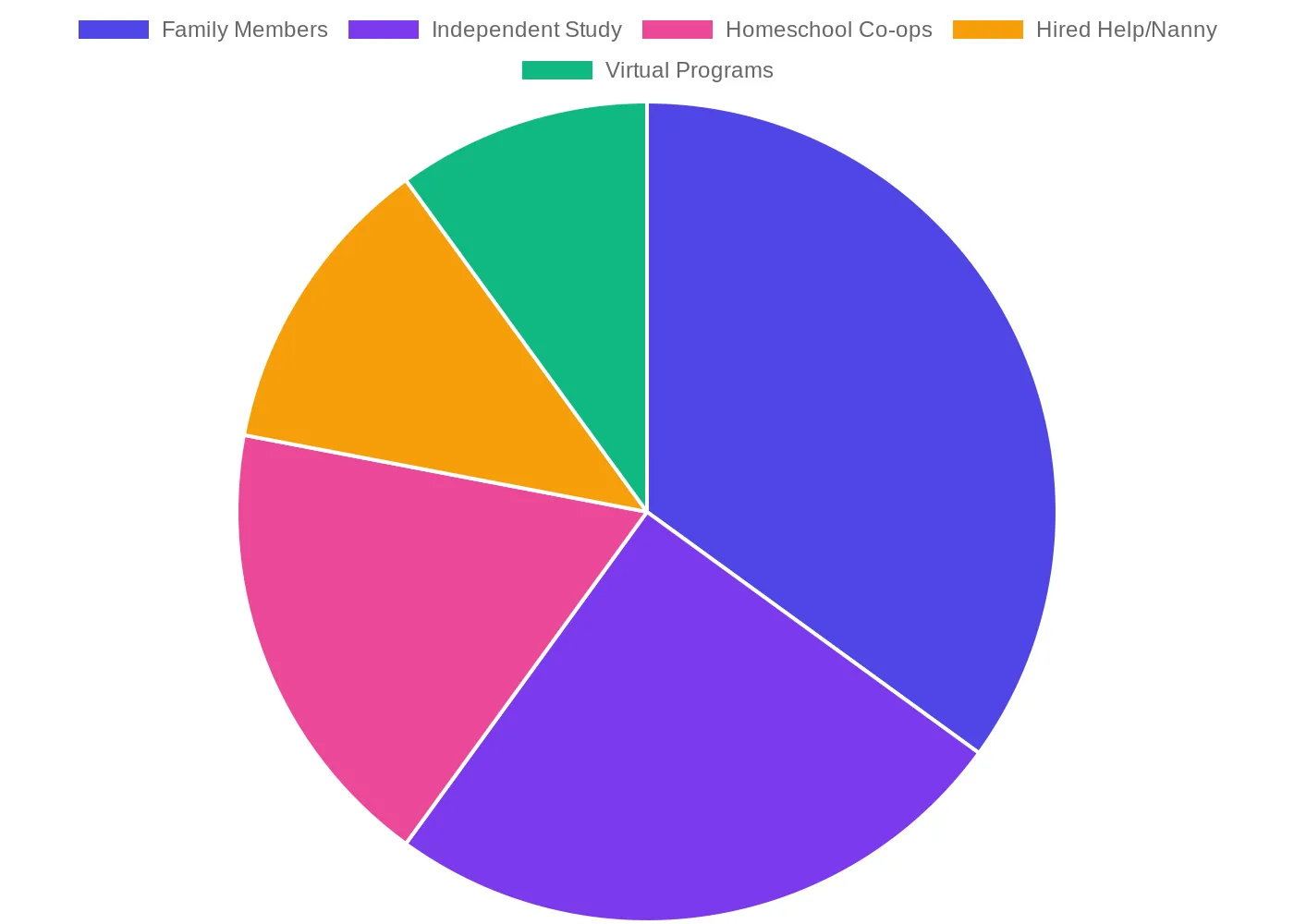
Here are the most effective solutions I’ve seen work in our local homeschool community:
Family Support
Grandparents, aunts, uncles, and older siblings often help with daytime supervision. They don’t need to teach—they just need to keep children safe, on track, and available for video check-ins. Some families pool resources with relatives who also homeschool. In my experience, this method works best when you provide clear written instructions for each day’s work.
Homeschool Nanny or Mother’s Helper
A homeschool nanny supervises your children during work hours, ensures they complete their assigned work, and may help with younger children’s lessons. This is more affordable than you might think, especially if you share costs with another homeschool family.
Age-Appropriate Independence
Children develop independence at different rates, but many older elementary and middle school students can work independently for portions of the day. Start with short periods of independent work and gradually increase as your child demonstrates responsibility.
Technology helps here too. Video calls during breaks let you check in, answer questions, and provide encouragement—even when you’re not physically home.
Time Management Strategies for Working Homeschoolers
Working parents who homeschool successfully share common time management approaches. Here’s the process that has worked best for the families I’ve connected with over the years:
Batch Your Prep Work
Spend one hour on Sunday planning the entire week. Here’s my exact method: First, review what each child completed the previous week. Then, gather all materials needed for the coming week. Next, set out workbooks and supplies in designated areas. Finally, write daily checklists for your kids. This process eliminates the morning scramble of figuring out what to teach.
Use Checklists and Routines
Children thrive with clear expectations. A simple daily checklist (“Read for 30 minutes, complete math lesson, practice handwriting, do science video”) helps kids stay on track independently. Laminated checklists can be reused daily.
Embrace “Good Enough”
Perfectionism is the enemy of working homeschool parents. Some days, school will be minimal. That’s okay. The flexibility of homeschooling means you can make up for lighter days during breaks or weekends. As discussed in our guide to common homeschooling mistakes, one of the biggest errors is trying to do too much.
Protect Your Boundaries
This goes both directions. Set work boundaries so you’re fully present during school time. Set school boundaries so work doesn’t constantly interrupt. Communicate clearly with employers about your availability and with children about when you can and cannot be interrupted.
Making It Work Long-Term
Sustainability matters more than perfection. After three years, I can tell you that the families who succeed long-term are those who build sustainable systems rather than trying to be perfect. Here’s how working homeschool families avoid burnout:
Build a Support Network
Connect with other working homeschool parents through local co-ops, Facebook groups, or homeschool associations. These connections provide encouragement, practical advice, and sometimes childcare swaps. In my first year, connecting with other working homeschool parents in our area was the single most valuable thing I did.
Adjust Expectations Seasonally
Work demands fluctuate. During busy seasons at your job, scale back homeschooling to basics: reading, math, and life skills. During slower periods, add enrichment activities and field trips. This flexibility is one of homeschooling’s greatest advantages.
Take Breaks Without Guilt
Many homeschool families take breaks that don’t align with traditional school calendars. If you need a week off to handle a work deadline, take it. You can make up the time later or simply recognize that your child is still learning through daily life.
Involve Your Children in Household Work
Household chores are practical life skills education. Children who help with cooking, cleaning, and errands are learning valuable lessons—and you’re freeing up time that would otherwise cut into school or work hours.
Legal Considerations for Working Homeschoolers
Homeschool laws vary by state, but most don’t require parents to be the sole instructor or to homeschool during specific hours. Check your state’s homeschool requirements through HSLDA to understand what’s legally required. This should be one of your first steps in the process.
Key points most working parents need to know:
- Most states allow parents to designate another adult to help with instruction
- There’s typically no requirement for school to happen during “school hours”
- Record-keeping requirements can usually be managed in minimal time
- Some states offer virtual public school options that provide curriculum and teacher support
The legal process for starting is straightforward in most states. First, research your state’s notification requirements and compulsory attendance age. Then, decide on your homeschool structure (traditional private homeschool, umbrella school, or virtual public school). Next, file any required paperwork—often just a letter of intent or annual notification. Finally, begin your homeschool program according to your state’s guidelines. If you’re currently enrolled in public school, see our guide on how to withdraw from public school for specific steps.
For detailed state-specific requirements, browse our state homeschool guides which cover laws for all 50 states.
Troubleshooting Common Challenges
Even with solid planning, you’ll encounter obstacles. Here’s how experienced working homeschool parents solve the most common problems:
When Your Child Resists Independent Work
If your child won’t stay on task without you present, start smaller. Reduce independent work periods to just 10 minutes and gradually increase. Use visual timers so they can see progress. Create a reward system—a sticker chart or small privilege earned after completing work. Most children adapt within 2-3 weeks of consistent expectations.
When Work Demands Spike Unexpectedly
Have an “emergency week” curriculum ready: audiobooks, educational documentaries, and review worksheets that require minimal supervision. One working mom I know keeps a “busy box” with self-directed activities for exactly these situations. Accept that some weeks will be light on formal academics—life skills learned during busy periods count too.
When You Feel Overwhelmed
Scale back immediately. Focus only on reading and math—everything else can wait. Reach out to your homeschool network for encouragement. Consider whether your curriculum choice is too demanding for your current situation. Sometimes switching to a more independent program solves the overwhelm entirely.
Frequently Asked Questions
Can I really provide a quality education while working full time?
Absolutely. Research consistently shows homeschooled students perform well academically regardless of family income or parent education level. According to the National Home Education Research Institute, homeschooled students score an average of 15-25 percentile points higher on standardized tests than public school students. The key is choosing the right curriculum, establishing routines, and being intentional with your available time. Many working homeschool families report their children are ahead of grade level because one-on-one instruction is 3-4 times more efficient than classroom teaching.
What if my employer doesn’t support homeschooling?
You’re not legally required to disclose that you homeschool. If you need flexibility for appointments or activities, request time off like any other parent. Many employers have become more accommodating of family needs, especially with remote work options. Focus on maintaining your work performance, and most employers won’t care how you educate your children.
How do I handle sick days when I can’t take off work?
This is where flexibility shines. When you or your child is sick, take a break from formal schooling. Make it up on a weekend or extend your school year by a few days. You can also have “sick day” activities ready—educational documentaries, audiobooks, or easy review work that requires minimal supervision.
At what age can children work independently?
This varies by child, but most can handle some independent work by ages 7-8 with proper preparation. Start with short periods (15-20 minutes) and gradually increase. Use timers, clear checklists, and immediate rewards for completed work. By middle school, many homeschooled children can work independently for several hours with periodic check-ins.
Is homeschooling while working harder with multiple children?
It presents different challenges but also advantages. Older children can help younger siblings. Curriculum that combines grade levels (like history and science) reduces prep time. Many working parents find that once they have systems in place, adding another child is incremental rather than doubling the work.
Conclusion: What Makes Working Homeschool Families Succeed
After years of homeschooling while working—and connecting with hundreds of families doing the same—here’s what I’ve found matters most:
- Efficiency trumps hours. Homeschooling requires 2-4 hours of actual instruction daily, not 6-8. Focus on mastery-based learning rather than seat time.
- The right curriculum reduces your workload by 50% or more. Self-grading programs, open-and-go lesson plans, and video-based instruction free you from prep and grading.
- Supervision solutions exist. Whether you use family, co-ops, or age-appropriate independence, you don’t need to be home every moment.
- Flexibility is your superpower. Unlike traditional school, you can adjust your schedule seasonally, take breaks when needed, and teach during evenings or weekends.
- Community prevents burnout. Connecting with other working homeschool parents provides practical support and emotional encouragement.
The families who thrive aren’t those with the most time—they’re the ones who use their available time strategically and refuse to let perfectionism derail their progress.
Taking the First Step
If you’re considering homeschooling while working, here’s the process I recommend for getting started:
- Research your state’s requirements – Spend an evening understanding the legal basics
- Try a weekend experiment – Teach one subject on Saturdays for a month to test the waters
- Explore curriculum options – Focus on programs designed for independent learning
- Connect with other working homeschool parents – Join a local group or online community
- Make your decision – After 30 days of research, you’ll know if this path is right for your family
You don’t have to have everything figured out before you begin. Most successful homeschool families adjusted their approach multiple times before finding what worked. Give yourself permission to start imperfectly and improve as you go. That’s exactly what I did, and three years later, I can’t imagine our family any other way.
Working and homeschooling isn’t the easiest path, but for many families, it’s absolutely the right one. Consider Jennifer, a software developer who started homeschooling her twins while working remotely. “The first three months were chaos,” she told me. “But by month four, we had a rhythm: the kids did independent reading while I handled morning meetings, we did math together during my lunch break, and evenings became our science experiment time.” Two years later, both children test two grade levels ahead in reading. Your children will learn not just academics, but resilience, time management, and what it looks like when parents prioritize education despite obstacles.
In summary: Homeschooling while working full time requires strategic planning, the right curriculum choice, and realistic expectations—but thousands of families prove it’s achievable every day. Start with your available time, choose curriculum that minimizes your prep work, build a support network, and give yourself grace during the learning curve.
For more guidance on your first year, read our first year homeschooling guide which covers the common challenges and how to overcome them.
Last updated: January 2026. This article reflects current research and best practices for working homeschool families.




Leave a Reply