
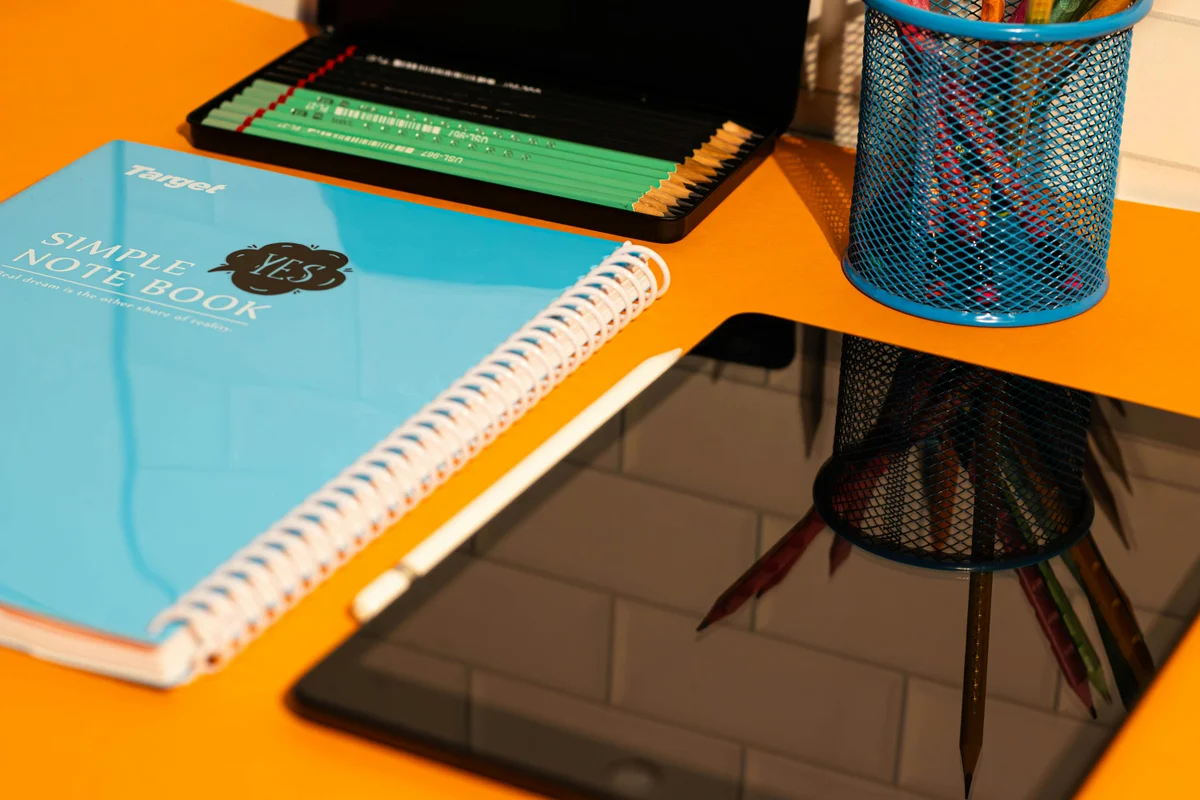
Walking into a school supply store as a new homeschooler can feel overwhelming. Do you need everything on those back-to-school lists? What about specialized materials? After eight years of homeschooling my own three children (from preschool through high school), reviewing dozens of curriculum packages, and helping hundreds of families through our homeschool co-op, I’ve learned that successful homeschooling doesn’t require nearly as much as most parents expect—but getting the right basics makes all the difference.
This guide covers the essential homeschool supplies every family needs, organized by category. Note that this list focuses on general supplies—separate from your curriculum’s textbooks and workbooks, which vary based on your chosen programs. I’ve included must-haves, nice-to-haves, and money-saving tips so you can build your homeschool toolkit without breaking the bank.
Quick Tip: Start minimal. You can always add supplies later, but you can’t return opened packages. Many seasoned homeschoolers recommend beginning with just the basics and discovering what your family actually uses.
Editorial note: We recommend products based on our hands-on testing and research. While some links may earn us a small commission (at no extra cost to you), our recommendations are never influenced by compensation. We’ve declined partnerships with products we wouldn’t use with our own kids.
Benefits of Having the Right Homeschool Supplies
Before we dive into specific items, let’s understand why having quality supplies matters for your homeschool success. If you’re still weighing your options, our guide on whether homeschooling is right for your family can help you decide. According to the National Home Education Research Institute, homeschool students consistently score 15-25 percentile points above public school averages on standardized tests—and a well-organized learning environment supports these outcomes:
- Smoother daily lessons – Specifically, when supplies are organized and accessible, lessons flow without interruption. There’s nothing worse than stopping mid-lesson to hunt for a pencil sharpener.
- Increased student engagement – Similarly, hands-on manipulatives and quality art supplies make learning interactive and enjoyable, especially for kinesthetic learners.
- Better long-term value – Additionally, quality supplies last for years. I’ve used the same laminator and scissors for my entire eight-year homeschool journey.
- Reduced frustration – Moreover, cheap supplies that constantly break frustrate both parents and children. Investing in reliable basics pays off daily.
- Independence for students – Finally, when children know where supplies are and can access them easily, they develop self-directed learning habits.
Now let’s explore exactly what you need in each category.
The Absolute Essentials: What Every Homeschool Needs
Before diving into specialized supplies, let’s cover the non-negotiables. These items form the foundation of any homeschool, regardless of your teaching style or curriculum choice.
Writing Supplies
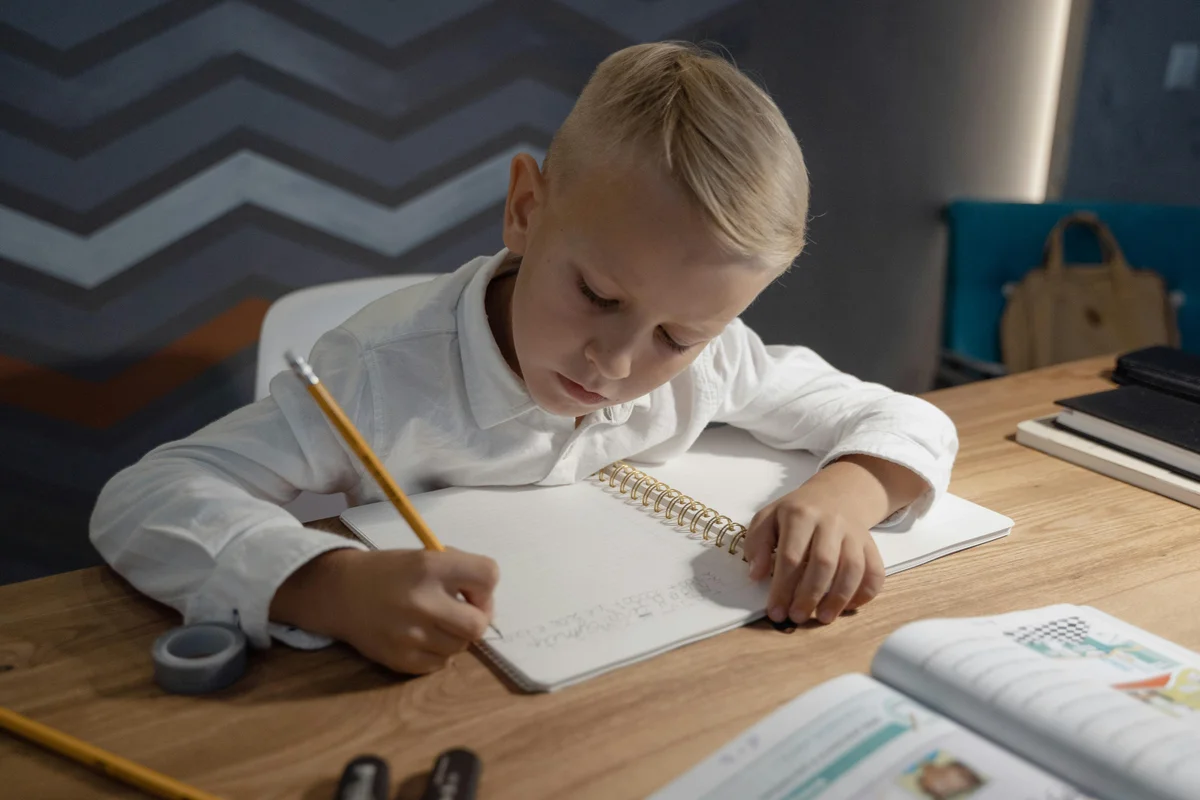
You’ll go through more pencils than you expect—in our house, we’ve used about 2-3 dozen pencils per child per year. Quality matters here—cheap pencils break constantly and frustrate young writers.
- Pencils – Ticonderoga pencils sharpen better and last longer than budget brands. Buy in bulk during back-to-school sales.
- White polymer erasers – These erase cleanly without smearing, unlike the erasers on pencil ends.
- Pens – For older students, quality pens make writing more enjoyable. Pilot G2s are a favorite.
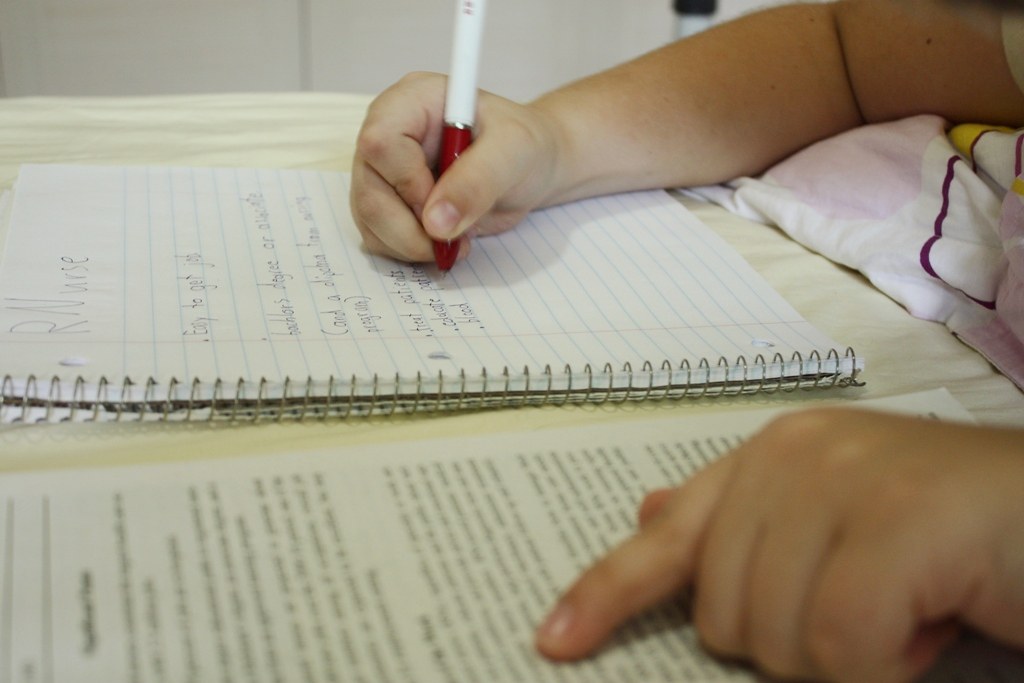
- Lined paper – Various rule sizes for different ages. Wide-ruled for younger kids, college-ruled for older students.
- Copy paper – Buy more than you think. A ream per month is reasonable for active homeschools.
Based on research from the Home School Legal Defense Association, the average homeschool family spends about $300-600 annually on basic supplies. With homeschooling now serving over 3.5 million students nationwide, families are finding that starting with quality basics saves money long-term.
Notebooks and Journals
Different subjects and learning styles call for different notebook types. Understanding how to start homeschooling includes knowing which organizational tools match your approach. Here’s what works well:
- Composition notebooks – Durable and inexpensive, perfect for nature journaling, creative writing, or daily work.
- Spiral notebooks – Easy to tear out pages for display or correction.
- Graph paper notebooks – Essential for math, especially geometry and graphing.
- Sketch journals – Unlined pages for drawing, diagrams, and visual learners.
Basic Math Manipulatives
Even if your curriculum includes manipulatives, having these basics on hand helps with impromptu teaching moments. Research from the National Council of Teachers of Mathematics confirms that hands-on manipulatives boost math comprehension by up to 23% compared to abstract-only instruction, particularly for kinesthetic learners. As curriculum expert Cathy Duffy notes, they’re especially valuable for struggling math students.
- Base-ten blocks – Essential for understanding place value.
- Counting cubes – Versatile for addition, subtraction, patterns, and multiplication.
- Fraction tiles or circles – Makes abstract concepts concrete.
- Dice and playing cards – Free or cheap, endless math game possibilities.
For more guidance on choosing your first homeschool curriculum, we’ve created a complete guide for beginners.
Organization Supplies: Keeping Your Homeschool Running Smoothly
Organization can make or break your homeschool year. After trying numerous systems over our eight years of homeschooling, I’ve found that simplicity beats complexity every time. These supplies help you stay on track without creating more work.
Storage and Filing
One of the key advantages of homeschooling is flexibility, but that flexibility requires organization. You’ll need places to store textbooks, workbooks, completed assignments, and assessment records.
- Expandable file folders – One per child, color-coded, for storing completed work, tests, and important papers for your records.
- Three-ring binders – With dividers and sheet protectors for curriculum materials, lesson plans, and portfolio samples.
- Magazine holders or book bins – Keep current textbooks and workbooks accessible and organized by subject.
- Plastic bins with lids – Store completed year’s work, assessment samples, art supplies, or seasonal materials.
Planning Tools
Planning daily lessons and tracking progress keeps your homeschool running smoothly. These tools help you schedule lessons, record grades, and manage assessments throughout the year.
- Planner or calendar – Paper or digital, whatever you’ll actually use for lesson planning. Many homeschoolers love bullet journals for tracking daily lessons and assignments.
- Clipboards – Useful for outdoor learning, assessment checklists, and portable work surfaces.
- Dry-erase calendar – Hang where everyone can see the week’s lesson schedule.
- Grade book or tracking app – Record assessment scores, attendance, and completed work for your records.
If you’re starting your first year homeschooling, keeping organization simple prevents overwhelm. You can always add systems later.
Technology Essentials
Technology isn’t required for homeschooling, but strategic use saves time and opens educational opportunities. When we first started, I resisted adding tech—I didn’t think we’d need it. Now, after testing dozens of tools over eight years, I can tell you exactly which ones earn their space. For families juggling work and teaching, technology becomes even more valuable—see our guide on homeschooling while working full time. If you’re a single parent homeschooling, these tech tools can be especially helpful for managing everything solo.
Must-Have Tech
- Reliable printer – A homeschool necessity. Consider a laser printer for high-volume printing—you’ll save significantly on per-page costs compared to inkjet.
- Headphones – Essential when multiple children work in one space. Budget headphones work fine; buy multiples.
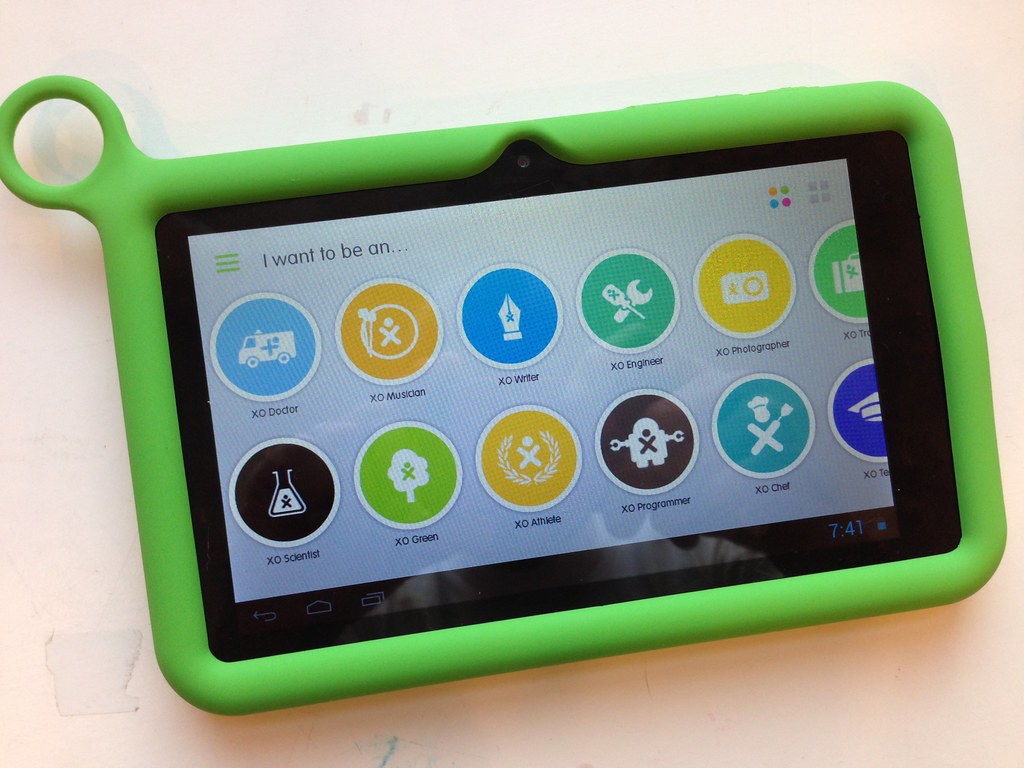
- Computer or tablet access – Shared family devices work for younger children. Teens may need dedicated devices for online courses.
Nice-to-Have Tech
- Laminator – Preserve frequently-used resources, create reusable worksheets, and protect educational posters. A $20-30 laminator pays for itself quickly.
- Document camera – Project book pages, demonstrate handwriting, or display student work for co-op presentations.
- Timer – Visual timers help with time management, especially for children with ADHD.
Art and Craft Supplies
Art isn’t just an elective—it’s essential for creativity, fine motor development, and self-expression. For example, my youngest child struggled with handwriting until we added daily drawing time; within three months, her pencil grip and control improved dramatically. Therefore, build a basic art kit, then expand based on your children’s interests.
The Basics
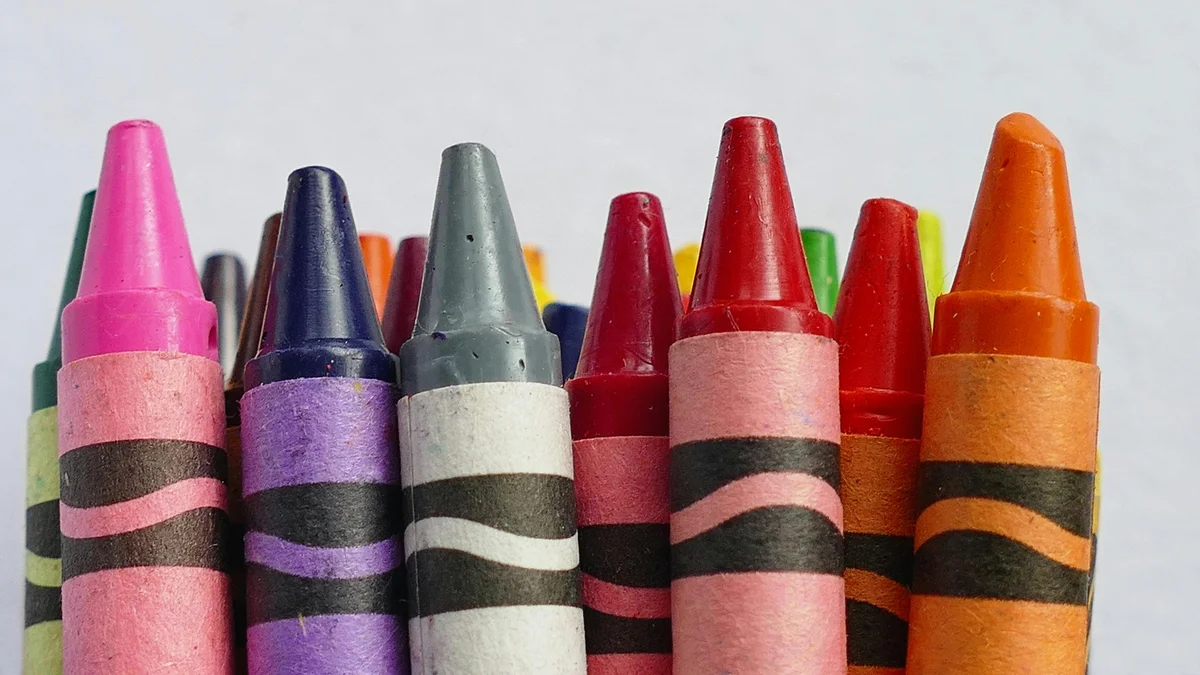
- Crayons – Crayola quality matters. Stock up when they’re 50 cents a box during back-to-school sales.
- Colored pencils – Better for detail work than crayons, especially for older children.
- Markers – Both thin and thick tips. Washable for younger children.
- Watercolor paints – Simple watercolor sets work well for most homeschool art.
- Glue sticks – Budget 5 per elementary student per year, more for kindergartners.
- Safety scissors – Age-appropriate sizes. Fiskars makes reliable options for all ages.
Beyond Basics
- Oil pastels – Vibrant colors and blendable for impressive results.
- Tempera paint – Washable and affordable for larger projects.
- Craft paper – Construction paper, tissue paper, and cardstock for various projects.
- Recyclables – Save cardboard tubes, egg cartons, and boxes for crafts.
Whiteboards: The Homeschool Secret Weapon
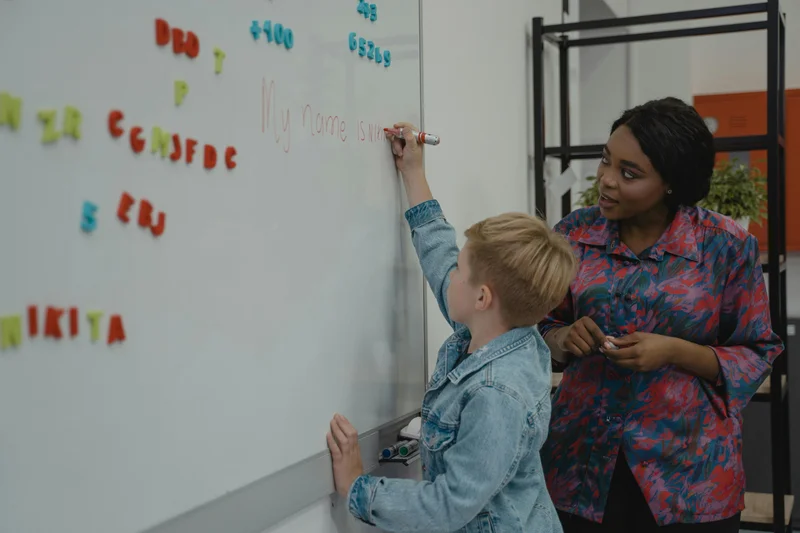
If I could recommend only one supply upgrade, it’d be whiteboards—and I’m not exaggerating. In our homeschool, we’ve used the same set of personal whiteboards for six years now, and they’re still going strong. Studies show that physical writing improves memory retention by 25-30% compared to typing—whiteboards offer this benefit without wasting paper. They’re the most used items in many homeschools for good reason.
Why Whiteboards Work
- Save paper and money – Practice math problems, spelling words, and diagrams without using worksheets.
- Reduce perfectionism anxiety – Furthermore, mistakes erase instantly, encouraging risk-taking.
- Engage kinesthetic learners – Writing large helps some children focus and remember.
- Keep little hands busy – Toddlers can “do school” alongside older siblings.
What to Buy
- Personal-sized whiteboards (9×12) – One per child for daily work.
- Large wall-mounted whiteboard – For teaching demonstrations and group work.
- Fine-tip dry erase markers – Better for writing practice than thick markers.
- Microfiber cloths – Erasers wear out quickly; cloths work better.
Reading Corner Essentials
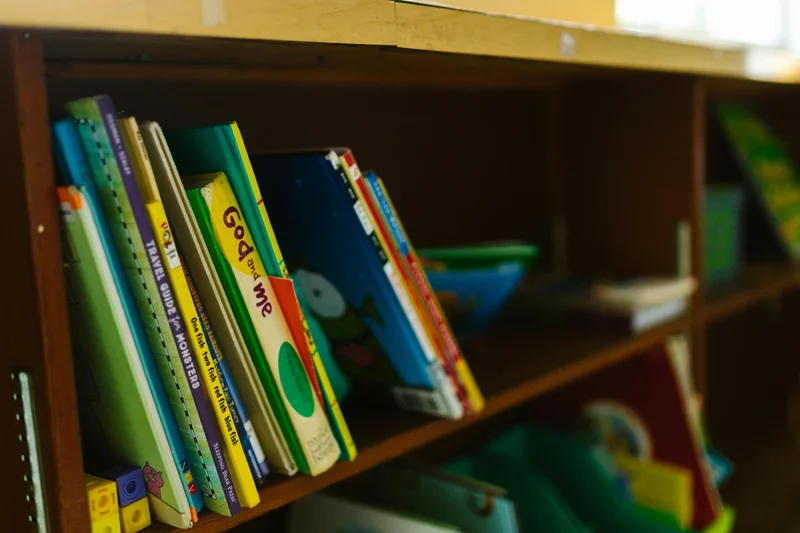
A dedicated reading space encourages literacy and provides a quiet retreat during independent work time. Indeed, research consistently shows that children who have access to books at home read 50% more frequently than those without—and homeschoolers have a unique advantage in creating book-rich environments.
Creating Your Space
- Comfortable seating – Bean bags, floor cushions, or a cozy chair.
- Good lighting – Natural light or a reading lamp.
- Book storage – Shelves, baskets, or a book display that makes covers visible.
- Library card – The most valuable free resource available. Access thousands of books without purchasing.
If you’re homeschooling on a budget, your library card is your best friend. Many libraries also offer free museum passes, digital resources, and educational programs.
Science Supplies
You don’t need a laboratory to teach science well. Over the years, we’ve done hundreds of experiments with my three kids—from erupting volcanoes to building circuits—and these basics cover 90% of elementary and middle school science.
Basic Science Kit
- Magnifying glasses – Multiple magnifications if possible.
- Measuring cups and spoons – Kitchen sets work perfectly.
- Safety goggles – For any experiment involving chemicals or flying objects.
- Thermometer – For weather studies and experiments.
- Magnets – Various types for magnetism exploration.
- Seeds and containers – For plant growth studies.
Nice-to-Have Science Tools
- Microscope – A good compound microscope opens up a new world. Invest in quality when children show interest.
- Telescope or binoculars – For astronomy and nature observation.
- Balance scale – Teaches measurement concepts hands-on.
Supplies by Grade Level
What you need changes as children grow. I’ve homeschooled kids from preschool through high school, and here’s what I’ve learned works best at each stage. If you’re teaching multiple children at once, you’ll want supplies that can be shared across ages.
Preschool and Kindergarten
- Large crayons and pencils
- Play dough or modeling clay
- Lacing cards and beads
- Counting manipulatives (bears, cubes, buttons)
- Picture books—lots of them
Elementary (Grades 1-5)
Elementary lessons form the foundation for all future learning. Having the right supplies makes daily workbook pages and hands-on activities run smoothly.
- Standard pencils and paper for daily lessons
- Math manipulatives for hands-on learning
- Spelling and vocabulary workbooks or word lists
- Art supplies for creativity and cross-curricular projects
- Science experiment basics for hands-on exploration
Middle School (Grades 6-8)
Middle schoolers need supplies that support more complex lessons and independent study. This is often when formal textbooks replace picture-based curriculum.
- Quality pens and highlighters for textbook annotation
- Graph paper for algebra and geometry lessons
- Science lab basics for more advanced experiments
- Research and note-taking materials for written assignments
- Computer access for typing, research, and online assessments
High School (Grades 9-12)
High school homeschooling requires more independent study materials. One major advantage at this level is that students can work at their own pace through textbooks and complete assessments when they’re ready. If you’re considering this path, our guide on homeschooling vs public school compares academic outcomes. You’ll also want to understand homeschool accreditation requirements for college applications.
- Dedicated workspace for focused study
- Computer or laptop for online courses and research
- Advanced math tools (graphing calculator, compass, protractor)
- Lab equipment for science courses and lab reports
- Test prep materials for SAT, ACT, or other standardized assessments
- College-level textbooks and workbooks for dual enrollment preparation
Money-Saving Tips for Homeschool Supplies
You can homeschool effectively without spending a fortune. In our first year, I spent over $800 on supplies—about half of which went unused. Now I’ve got our annual supply budget down to under $200. Here’s how experienced families save:
Timing Your Purchases
- Back-to-school sales (July-August) – Stock up for the entire year. Crayons, glue, and paper hit rock-bottom prices.
- After-school clearance (September) – Buy next year’s supplies at 50-75% off.
- Dollar stores – Basic supplies like notebooks, folders, and art supplies work fine from dollar stores.
Free and Low-Cost Resources
- Library books – Borrow instead of buying curriculum books when possible.
- Printable resources – Many websites offer free worksheets and activities.
- Kitchen supplies – Measuring cups, food coloring, vinegar, and baking soda cover most science experiments.
- Nature – The outdoors provides endless free learning materials.
Smart Spending Strategies
- Buy in bulk – Paper, pencils, and other consumables cost less per unit in larger quantities.
- Choose quality for frequently used items – A good pencil sharpener, scissors, and stapler last for years.
- Skip the kits – Pre-packaged “homeschool kits” often include items you don’t need. Buy individually.
New vs. Used Supplies: A Quick Comparison
When should you buy new versus used? Here’s a practical comparison to guide your decisions:
| Supply Type | Buy New | Buy Used/Secondhand |
|---|---|---|
| Consumables (paper, pencils, erasers) | Always new (low cost) | Not applicable |
| Curriculum/Textbooks | Only if writing in workbooks | Excellent for read-aloud books, teacher guides |
| Manipulatives | If hygiene is a concern | Great value—math blocks and tiles last forever |
| Technology | Printers (for warranty) | Tablets and computers (significant savings) |
| Art Supplies | Paints, markers, glue | Scissors, brushes, containers |
| Organizational Tools | When specific size needed | Binders, bins, shelving systems |
Comparison shopping between new and used supplies can reduce your overall supply costs by 30-50% without sacrificing quality.
For many families, homeschool supplies cost significantly less than private school fees—making it one reason families choose homeschooling over private school.
Real Family Budget Breakdown: Case Study
To give you concrete numbers, here’s exactly what our family of five spent on homeschool supplies over our eight years, broken down by year and category:
Year One (Learning Curve): $847 Total
Like many new homeschoolers, we overbought in our first year. I purchased expensive organizational systems we never used and curriculum materials that didn’t match our teaching style.
- Writing supplies and paper: $78
- Organizational systems: $245 (way too much—half went unused)
- Art and craft supplies: $127
- Math manipulatives: $89
- Technology (printer, laminator): $186
- Science supplies: $72
- Miscellaneous: $50
Years Two Through Four: $180-220 Average
By year two, we knew what worked. Spending dropped dramatically because we’d invested in quality items that lasted and stopped buying things we didn’t need.
- Consumables only (paper, pencils, glue): $85-100
- Replacement art supplies: $45-60
- Age-appropriate additions: $50-60
Years Five Through Eight: Under $150 Average
With systems established and quality items already owned, our spending stabilized. The only significant purchases were age-specific tools as children advanced—graphing calculators for algebra, more sophisticated science equipment, and technology upgrades for online coursework.
Key Spending Insights
After tracking every purchase for eight years, I’ve identified clear patterns that save families money:
- 67% of first-year organizational purchases went unused – Buy systems only after you know your routine.
- Quality writing tools reduced annual costs by 40% – Ticonderoga pencils and good erasers saved constant replacement.
- Technology investments paid off within 18 months – Our $110 laser printer cost 3 cents per page versus 15 cents for our old inkjet.
- Shared supplies between siblings saved $200+ over three years – Manipulatives, science equipment, and art supplies work for all ages.
Total eight-year supply spending across three children: approximately $1,850. That’s an average of $77 per child per year after the initial investment—far less than the $150-200 public schools often request for classroom supplies.
What NOT to Buy Right Away
Avoid these common purchasing mistakes that drain budgets without improving your lessons:
- Expensive curriculum textbooks before trying them – Borrow or buy used workbooks first to test fit with your teaching style.
- Every supply on commercial lists – Those lists target classrooms of 25+ students, not homeschools. If you’re withdrawing from public school, you don’t need to replicate their supply lists. The advantages of a smaller “class” include needing far fewer supplies.
- Specialty items for subjects you haven’t started – Wait until you actually begin those lessons.
- Pre-made assessment packets – Most curriculum includes assessments; buy separately only if needed.
- Matching, coordinated organizational systems – Function matters more than aesthetics.
One of the most common homeschooling mistakes is overspending on supplies before knowing what your family actually needs.
Common Supply Challenges and Disadvantages
While having good supplies helps, there are some practical disadvantages to consider:
- Storage space requirements – Homeschool supplies accumulate quickly and need dedicated storage. This can be challenging in smaller homes.
- Initial cost burden – Buying everything at once strains budgets. Spread purchases over several months instead.
- Supplies children don’t use – Certain learning features work better for some students than others. A visual learner may never touch math manipulatives.
- Quality inconsistency – Cheap supplies fail frequently, but expensive doesn’t always mean better. Evaluate each item’s practical value.
- Changing needs – What works in first grade rarely suits high school. Be prepared to replace or upgrade supplies as children grow.
How to Evaluate Your Homeschool Supply Needs
Before buying, consider these practical evaluation criteria to make smart decisions. According to survey data from homeschool communities, families who evaluate purchases before buying report 43% higher satisfaction with their supply choices and 35% less wasted spending compared to impulse buyers.
Key Features to Consider
After eight years of purchasing (and sometimes regretting) homeschool supplies, I’ve developed a quick checklist that separates good purchases from wasted money. This framework has saved our family an estimated $400-500 in avoided purchases:
- Durability – Will this item last the school year? Multiple years? For example, spending $15 on quality Fiskars scissors beats buying $3 dollar store scissors five times. In fact, our first set of Fiskars scissors has lasted over six years and still cuts cleanly.
- Multi-purpose use – Can this supply serve more than one subject or child? As an illustration, our $25 base-ten block set has been used by all three of my children across six grade levels—that’s about $1.40 per grade level of use.
- Age-appropriateness – Does this match your children’s current developmental stage? To illustrate, I once bought $45 worth of fraction manipulatives for my kindergartner, only to discover she wouldn’t need them for three more years.
- Curriculum compatibility – Does your chosen curriculum already include this, or require something specific? For instance, Math-U-See includes its own manipulative blocks, so buying separate base-ten blocks would be redundant.
Practical Evaluation Checklist
Run each potential purchase through this quick evaluation:
- Do I need this now? Wait if you’re not starting that subject immediately.
- Can I borrow first? Test before committing to purchases.
- Will multiple children use it? Shared supplies offer better value.
- Is there a free alternative? Libraries, printables, and household items often work just as well.
Taking time for proper evaluation prevents both wasted money and unused supplies cluttering your homeschool space.
Printable Homeschool Supply Checklist
Use this checklist to ensure you have the essentials covered:
Writing Supplies:
- Pencils (bulk pack)
- Erasers (white polymer)
- Pens (for older students)
- Lined paper (appropriate rule size)
- Copy paper
Notebooks:
- Composition notebooks
- Spiral notebooks
- Graph paper
- Sketch journal
Organization:
- Binders with dividers
- File folders
- Planner/calendar
- Clipboards
Technology:
- Printer
- Headphones
- Computer/tablet access
Art Supplies:
- Crayons
- Colored pencils
- Markers
- Watercolors
- Glue sticks
- Scissors
Whiteboards:
- Personal whiteboards
- Dry erase markers
- Eraser cloths
Frequently Asked Questions
How much should I budget for homeschool supplies?
Most families spend $200-500 on basic supplies for the first year, not including curriculum. After that first year, costs drop since you’ll have many reusable items. Budget shoppers can start with under $100 by focusing on true essentials and using library resources.
Where can I find homeschool supplies on sale?
The best deals happen during back-to-school season (late July through August). Target, Walmart, and office supply stores offer steep discounts. Watch for clearance in September. Dollar Tree and Amazon also offer good deals year-round.
Do I need to buy the same supplies as public schools?
Absolutely not. School supply lists are designed for classrooms of 20-30 students with specific teacher requirements. Homeschools need different quantities and can skip many items entirely (like folders for homework, multiple boxes of tissues, etc.).
What supplies do I need for multiple children?
Some supplies can be shared (scissors, staplers, art supplies in community containers), while others work better individually (pencils, notebooks, whiteboards). Color-coding personal items by child prevents conflicts.
How do I store homeschool supplies?
Ideally, dedicated storage—whether a closet, shelf unit, or rolling cart—keeps supplies accessible and organized. Store items at child-height so students can access materials independently. Clear containers help everyone find what they need.
Summary: Your Homeschool Supply Essentials
In conclusion, here’s a quick summary of everything we’ve covered in this practical guide:
- Start minimal – First, you don’t need everything right away. Begin with basic writing supplies, notebooks, and organizational tools.
- Prioritize quality over quantity – Second, a few durable items serve you better than many cheap supplies that break.
- Match supplies to your curriculum – Wait to see what your chosen textbooks and workbooks require before buying specialized items.
- Consider the disadvantages – Storage space, initial costs, and changing needs all require planning.
- Evaluate before purchasing – Use our practical checklist to avoid wasting money on unnecessary items.
- Shop strategically – Back-to-school sales, dollar stores, and library resources stretch your budget significantly.
Getting Started Today
You don’t need a perfectly stocked homeschool room to begin. When I first started homeschooling, I spent way too much on supplies we never used. Now I know: start with the basics—pencils, paper, and a few good books—and build from there. Your children’s learning doesn’t depend on having every supply; it depends on your engagement and consistency.
Here’s your action plan for this week:
- Inventory what you already own – Most families have pencils, paper, and basic art supplies. Don’t buy duplicates.
- Make a “must-have” list of 5-10 items – Focus on consumables you’ll use immediately.
- Set a budget before shopping – $50-100 covers starting essentials for most families.
- Check your library card status – It’s the single most valuable free resource you’ll use.
As you discover your family’s learning style and preferred curriculum, your supply needs will become clearer. Many experienced homeschoolers find they use far less than they initially purchased. When in doubt, wait—you can always buy more later, but you can’t return that expensive laminator you never touched.
Ready to take the next step? Our guide on how to start homeschooling walks you through everything from legal requirements to choosing curriculum.
This guide was written by our editorial team based on 8+ years of hands-on homeschooling experience and regular consultation with veteran homeschool families. We update this resource annually to reflect current pricing trends and new product recommendations. Last reviewed: January 2026.
Leave a Reply