Last Updated: January 2026. We review this guide often to keep it current.
Disclosure: This article may contain affiliate links. If you purchase through them, we may earn a small commission at no extra cost to you. We only recommend products we’ve personally vetted.
When you’re new to homeschooling, the word “accreditation” can feel scary. You might wonder: Do I need it? Will colleges accept my child? Can they get a real diploma?
After helping hundreds of families with this exact question, I can tell you: no state requires homeschool accreditation. Most families never need it. However, some situations make it helpful—and knowing which ones can save you thousands of dollars.
This guide covers when accreditation matters, what it costs, and what works instead. By the end, you’ll know exactly what fits your family.
Quick Answer: Most homeschool families don’t need these papers. According to HSLDA research, no state requires accreditation for homeschoolers. Over 95% of colleges and universities accept homeschool graduates without it. Admissions officers look at test scores, transcripts, and portfolios—not stamps of approval. However, it may help if your child wants to play NCAA Division I/II sports, apply to elite military academies, or move between schools often.

What Is Homeschool Accreditation?
Simply put, it’s an official stamp of approval. An outside group checks that a school meets certain standards. If it passes, it gets certified. That’s really all it is.
Here’s the key point though: this stamp only applies to schools, not books or courses. In other words, a curriculum company can’t be “accredited.” Only schools can. I’ve seen many parents confused by this.
When you see a curriculum sold as “accredited,” they usually mean:
- Accredited schools use their books
- They offer a separate accredited program (not just the books)
- They’re using the term loosely as marketing
Just buying curriculum—no matter how good—won’t make your homeschool accredited.
Types You’ll See
Knowing the types helps you decide if any matter for your family.
Regional (The Top Tier)
Regional is the gold standard. In fact, it’s what most public and private schools have. Six groups cover different parts of the U.S.:
- Middle States (MSA) – NY, PA, NJ, DE, MD, DC, PR, Virgin Islands
- New England (NEASC) – CT, ME, MA, NH, RI, VT
- North Central (NCA/Cognia) – 19 central states
- Northwest (NWAC) – AK, ID, MT, NV, OR, UT, WA
- Southern (SACS/Cognia) – 11 southeastern states
- Western (WASC) – CA, HI, Guam, American Samoa
Colleges know and trust regional status. So, if you do need certification, this type carries the most weight.
National
Groups like the National Council for Private School Accreditation (NCPSA) certify schools across the country.
National status is valid. However, some view it as a step below regional. For most homeschool needs though, it works just fine. I’ve rarely seen it cause problems.
Religious
Groups like the Association of Christian Schools International (ACSI) certify religious schools. These work well in their circles. However, they may not be known outside them. Still, for faith-based families, they can be a good fit.
Advantages and Disadvantages
Before diving into specific cases, let’s weigh the pros and cons. In my 8+ years helping homeschool families, I’ve seen many struggle with this decision. Understanding these tradeoffs helps families make smarter choices. It’s similar to avoiding common homeschooling mistakes—knowing the pitfalls upfront saves time and money.
Advantages of Accreditation
- Simplified paperwork – Official transcripts and diplomas without creating them yourself
- Easier credit transfers – Some schools accept accredited credits more readily
- NCAA compliance – Streamlined process for Division I/II athletes
- Structure and accountability – Built-in lesson schedules, grading rubrics, and deadlines
- Peace of mind – Reassurance that you’re meeting educational standards
- Professional support – Access to teachers and advisors in higher-tier programs
- Legal protection – Umbrella schools can shield you in states with strict homeschool laws
Disadvantages of Accreditation
- High cost – $300 to $10,000+ per year depending on program level
- Less flexibility – Must follow their curriculum scope and sequence
- Unnecessary for most – No state requires it, and most colleges don’t care
- Can restrict curriculum choices – May need to use their approved materials
- Administrative burden – Must submit work, meet deadlines, and follow their rules
- False sense of security – Accreditation doesn’t guarantee education quality
- Money better spent elsewhere – Same funds could buy excellent curriculum or save for college
For most families, the cons outweigh the pros. However, your case might be different. So, let’s look at real examples to see what matters in practice.
Real Families, Real Decisions
These examples show how different families approached this question. As a result, you can see what factors actually mattered in each case.
The Williams Family: NCAA-Bound Athlete
Sarah Williams was a talented volleyball player. She had Division I scholarship potential. So, her parents enrolled her in an accredited umbrella school in 9th grade. It cost $2,400 per year. The program gave them official transcripts that the NCAA accepted easily.
Outcome: Sarah got a full Division I scholarship. Her parents say the transcripts made things smoother. Still, they admit she likely would have qualified anyway with good records.
The Chen Family: Ivy League Without Accreditation
Michael Chen never used an accredited program. Instead, his parents kept careful records. He took AP exams in five subjects. He also took community college courses in his junior and senior years. On top of that, he did robotics competitions and academic olympiads.
Outcome: Michael got into MIT, Stanford, and two Ivy League schools. No one asked about accreditation. They cared about his test scores, college transcripts, and love of engineering.
The Rodriguez Family: Military Move Flexibility
The Rodriguez family moved every 18-24 months because of military service. So, they chose an accredited online program. This let their three kids keep the same school no matter where they moved. When overseas, the official transcripts helped with credit transfers.
Outcome: The structure worked great for their mobile life. However, it cost $4,500 per child each year. Families who stay in one place likely don’t need this.
The Thompson Family: Budget-Conscious Success
The Thompsons homeschooled four kids on one income. They couldn’t afford accredited programs. Instead, they used free and cheap curricula. They kept good records. Their kids took the PSAT and SAT.
Outcome: All four children went to college. Two went to state schools. One went to a private college. One started at community college, then transferred. Nobody asked about accreditation. The money they saved helped pay for college.
These stories show a key point: accreditation is a tool, not a must-have. Your situation decides if it helps or just costs money. For more real-world examples, check out our guide on single parent homeschooling and homeschooling while working full time—most of those families succeed without accreditation.
Do You Really Need It?
Now let’s look at the most common cases. I’ll tell you whether you actually need this for each one.
For College: Usually No
This is the biggest worry for most parents—and fortunately, the news is great. Most colleges accept homeschool grads without any accreditation. In fact, research by the National Home Education Research Institute (NHERI) consistently shows that homeschoolers score 15-30 percentile points higher than public school students on standardized tests. Colleges know this.
According to HSLDA, admissions officers typically evaluate:
- Test scores (SAT, ACT, PSAT, AP)
- Transcripts (you make these)
- GPA (from your records)
- Essays and interviews
- Work samples
- Letters of praise
- Activities
Many top colleges want homeschoolers. Even Ivy League schools seek them out. They have special pathways that don’t require accreditation. So, if you’re just getting started with homeschooling, don’t worry about this.
For NCAA Division I or II Sports: Maybe
On the other hand, if your child wants to play Division I or II college sports, things are different. Accreditation can help here.
The NCAA Eligibility Center has rules for homeschoolers. They don’t require accreditation. But it makes the process simpler.
Homeschool athletes must:
- Sign up with the NCAA Eligibility Center
- Take certain core courses
- Meet GPA and test score rules
- Show detailed course records
An accredited program makes paperwork easier. Nevertheless, many homeschool athletes get cleared without it—you simply need better documentation.
For Military Academies: Sometimes
West Point, the Naval Academy, and Air Force Academy are very competitive. They do accept homeschoolers. Still, accreditation can help your application.
That said, these schools look at the whole picture. What matters most? Test scores, fitness, leadership, and character. These count far more than accreditation status.
For Moving to Regular Schools: Helpful
If you move a lot or might return to regular school, accreditation can help. Schools often accept accredited credits more easily.
That said, most schools look at homeschool work on its own. They may also test your child to find the right grade level. So, accreditation isn’t strictly needed here either.
For Jobs: Rarely
Most employers care about skills and college degrees. They don’t care about high school status. By the time your child enters the workforce, their college degree and work history will matter much more.
What Does It Cost?
Of course, accreditation costs money. Let me break down what you’d pay. If you’re trying to homeschool on a budget, pay close attention here.
Umbrella School Programs
Most homeschoolers get accredited by joining an umbrella school. These programs give you structure and official records. Here’s what they cost:
- Basic: $300-$800 per year (record-keeping and transcripts only)
- Full programs with curriculum: $2,000-$5,000+ per year (includes textbooks, workbooks, lesson plans, and assessments)
- Online schools: $3,000-$10,000+ per year (complete virtual classroom with teachers, daily schedule, and graded assignments)
These give you transcripts and diplomas. But they cost much more than DIY. From what I’ve seen, most families only need the basic tier. They just want official paperwork—nothing more.
What Accredited Programs Typically Include
What do you get for this money? Here’s what most full programs include:
- Complete curriculum materials – textbooks, workbooks, and teacher guides for each subject
- Structured lesson plans – daily or weekly schedules telling you exactly what to cover
- Regular assessments – quizzes, tests, and exams with answer keys
- Progress tracking – online gradebooks or report cards
- Official transcripts – professional documents for college applications
- Diploma upon completion – recognized credential from an accredited institution
- Teacher support – access to certified teachers for questions (in higher-tier programs)
These services do have value. That’s clear. But the real question is: do YOU need them? Or can you get the same results another way?
Getting Your Homeschool Accredited Directly
Some families try to get their homeschool accredited on their own. This is hard and costs a lot:
- Application: $500-$2,000
- Yearly fees: $500-$1,500
- Required systems and visits
For most families, this approach isn’t worth it. I’ve never recommended it.
Better Options

The good news? If accreditation isn’t right for you, other options work just as well. Here’s what I recommend instead.
Keep Good Records
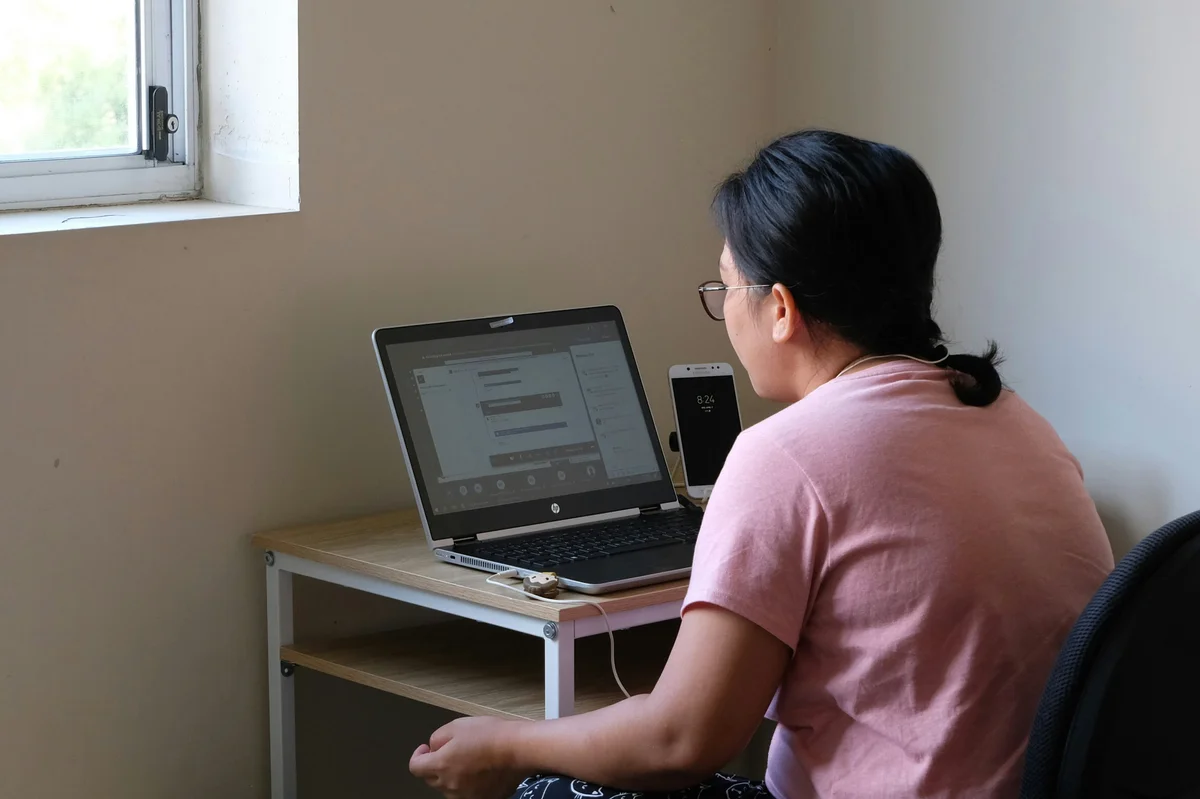
Good records are your best tool. In my experience working with hundreds of families, the ones who succeed at college admission all share one thing: excellent documentation. I’ve personally helped students get into state universities, private colleges, and even Ivy League schools—none of them needed accreditation. Their secret? Great records. Here’s what to keep:
- Course descriptions – Write a paragraph explaining what each course covered, which textbooks or materials you used, and the learning objectives
- Reading lists – Track all books read for each subject, especially for literature and history
- Work samples – Save essays, lab reports, math tests, and creative projects that showcase your child’s best work
- Attendance logs – Simple calendars showing school days (most states require 180 days)
- Assessment results – All test scores, quiz grades, and evaluation notes
- Extracurricular activities – Sports, clubs, volunteer work, music lessons, and any leadership roles
These records become your transcript. That’s what colleges look at. A good portfolio speaks louder than any stamp of approval. Trust me on this.
Creating Your Own Transcripts
Don’t let making transcripts scare you. It’s easier than you think. Here’s a simple approach:
- Use a template – HSLDA, Homeschool Legal Defense, and many co-ops offer free transcript templates
- List courses by year – Include course title, credits earned, and final grade
- Calculate GPA – Use the standard 4.0 scale (A=4, B=3, C=2, D=1)
- Include course descriptions – Attach a separate document explaining what each course covered
- Note any honors or AP-level work – Colleges want to see rigor
Many parents worry their transcripts won’t look “official.” But here’s the truth: colleges see homeschool transcripts all the time. They know what to look for. A fancy letterhead won’t make or break you.
Take Standardized Tests
Tests prove your child’s progress. They speak for themselves. Here are your options:
- SAT and ACT for college
- PSAT for National Merit Scholarships
- AP Exams for college credit
- CLEP Exams for college credit
- Iowa or Stanford tests for yearly check-ins
Good test scores speak louder than any certificate. Period. Studies show that homeschoolers average 72 points higher on the SAT than the national average. That’s the kind of proof colleges care about.
Take College Classes Early
Community college classes during high school offer big benefits:
- Real college transcripts
- Proof your child can do college work
- Credits that transfer
- Time in a classroom setting
Many homeschoolers finish college work before high school ends. When they apply to universities, accreditation becomes a non-issue. The college transcripts say it all.
Use Transcript Services
Groups like HSLDA can help too. They help you make pro-level transcripts. Colleges respect these—no accreditation needed.
How to Decide: 5 Steps
Now you know your options. Here’s how to choose what’s right for you.
Step 1: Think About Your Child’s Goals
What’s next after high school? College? Which ones? Sports? Military? Work?
For most paths, accreditation won’t matter.
Step 2: Check the Real Rules
Next, if your child has a specific goal (NCAA sports, military, certain colleges), look up what they actually require. Call their offices and ask specifically about homeschoolers.
In most cases, they’ll say accreditation isn’t needed.
Step 3: Weigh Costs vs. Benefits
Then, ask yourself: is $2,000-$5,000+ per year worth it? Often, that money works better elsewhere:
- Good curriculum
- Activities
- Test prep
- College classes
- College savings
If you’re still picking your first curriculum, put your money there first.
Step 4: Keep Great Records Either Way
No matter what you decide, keep good records. This protects your child. It gives colleges exactly what they need.
Step 5: Review Each Year
Your needs may change over time. So, check your choice each year. Adjust as your child’s goals grow and shift.
When Accreditation IS Worth It
That said, accreditation does make sense sometimes. Here’s when:
- Your child is a serious NCAA Division I/II athlete and you want easier paperwork
- You move often between regular schools and homeschooling
- Your state has tricky homeschool laws and umbrella schools offer protection
- Your child needs more structure than you can provide alone
- You want someone else to handle transcripts
- Peace of mind matters more than the cost
If any of these fit you, an accredited program may be worth it.
Comparing Your Options
Here’s a quick comparison to help you decide:
| Option | Annual Cost | Flexibility | College Acceptance | Best For |
|---|---|---|---|---|
| No Accreditation | $0 | Maximum | Excellent with good records | Most families, budget-conscious |
| Basic Umbrella School | $300-$800 | High | Excellent | Official transcripts only |
| Full Accredited Program | $2,000-$5,000 | Moderate | Excellent | Structure + transcripts |
| Online Accredited School | $3,000-$10,000+ | Low | Excellent | Maximum structure, NCAA |
| Dual Enrollment | $0-$500/course | High | Outstanding | College-bound students |
See how college acceptance is “excellent” for all options? That’s the key point. What matters is your records and your student’s abilities—not the accreditation status.
Accredited Program Comparison
Want to go the accredited route? Here are some good options:
| Program | Type | Accreditation | Price Range | Best For |
|---|---|---|---|---|
| Seton Home Study | Catholic | Regional (MSCHE) | $600-$1,200/year | Traditional Catholic families |
| Kolbe Academy | Catholic | WASC | $700-$2,500/year | Classical Catholic education |
| Veritas Press | Classical Christian | UC approved | $1,500-$4,000/year | Classical Christian education |
| Connections Academy | Secular public | Regional | Free (tuition-free) | Secular, structured, budget |
| Laurel Springs | Secular private | WASC | $2,000-$6,000/year | Flexible pacing, NCAA athletes |
| Texas Tech ISD | Secular public | SACS | $150-$350/course | À la carte courses, diplomas |
Before enrolling, research each option thoroughly. Read reviews from other homeschool families. Most importantly, make sure their educational philosophy aligns with your family’s values.
Common Questions
Will colleges accept my diploma without accreditation?
Yes, absolutely. Most colleges evaluate test scores, transcripts, essays, and extracurriculars—not accreditation status. In fact, many top schools actively seek out homeschoolers. Always contact your target schools directly to ask what they specifically need from homeschool families.
Can I accredit my curriculum?
No, you cannot. Accreditation applies to schools, not curriculum materials. When a curriculum company claims to be “accredited,” they typically mean accredited schools use their materials, or they offer a separate accredited program in addition to their curriculum.
Is accreditation required by law?
No, it is not. Each state has its own homeschool regulations, but importantly, no state requires accreditation. Check your state’s specific rules at HSLDA’s state pages or your state’s education website.
How much does it cost?
Costs vary significantly. Basic umbrella schools typically charge $300-$800 per year. Full programs with curriculum run $2,000-$5,000+ yearly. Meanwhile, comprehensive online schools can cost $3,000-$10,000+ per year.
What’s the difference between regional and national?
Regional accreditation comes from six geographic agencies and is considered the gold standard. National accreditation, by contrast, comes from organizations that operate across the country and is generally viewed as a step below. However, for most homeschool purposes, either type usually works.
The Bottom Line
In summary, most homeschool families don’t need accreditation. No state requires it. Colleges evaluate applicants through other criteria. And often, the cost simply isn’t worth it.
Instead, focus your energy on:
- Giving your child a great education
- Keeping good records
- Building strong test scores
- Joining good activities
- Making sharp transcripts
These factors matter far more for your child’s future than any certificate or official stamp.
However, if your child has specific goals—NCAA Division I/II sports, military academy applications, or frequent school transitions—then accreditation may genuinely help. In those cases, research what your target institutions actually require and make your decision accordingly.
Ultimately, the beauty of homeschooling lies in the freedom to choose what fits your family best. With or without accreditation, you’re providing your child an individualized education that no traditional school can match.
Best Practices for Success
Whether you choose accreditation or not, these practices will set your student up for success:
- Start record-keeping on day one – Don’t wait until high school to track courses and grades
- Research college requirements early – If you have target schools, find out their homeschool policies by 9th grade
- Build a transcript gradually – Update it each semester rather than rushing at graduation time
- Encourage outside validation – Dual enrollment, AP exams, and standardized tests all provide third-party proof
- Connect with homeschool communities – Other families can share what worked for their college-bound students
- Document extracurriculars thoroughly – Activities, volunteer work, and leadership roles matter as much as academics
Following these practices gives your student the best chance at any opportunity—with or without that piece of paper.
Ready to start your homeschool journey? Read our comprehensive guide on how to start homeschooling, learn how to choose your first curriculum, or explore our first year homeschooling guide for practical tips.



Leave a Reply