

Your first year homeschooling will challenge everything you thought you knew about education. However, it’ll also reward you in ways you never expected. After homeschooling my own three children and talking with hundreds of homeschool families over the past decade, I’ve learned that most share the same fear: “What if I mess this up?” The truth is, you’ll make mistakes. Moreover, those mistakes will teach you exactly what your family needs. According to the latest data from the National Center for Education Statistics, approximately 3.7 million students are now homeschooled in the United States—a number that’s grown steadily over the past decade.
This guide walks you through your first year of homeschooling month by month. Consequently, you’ll know what to expect, when to adjust, and how to build confidence as you go. If you’re still researching whether to start, check out our complete guide on how to start homeschooling first. By the end of your first year, you’ll wonder why you waited so long to start.

What Your First Year Really Looks Like
Forget the Pinterest-perfect homeschool images. Your first year is messy, uncertain, and completely normal. In fact, experienced homeschool parents call the first year the “deschooling” period for both kids and parents. I remember my own first year vividly—we didn’t even open a textbook for the first three weeks. Instead, we focused on rediscovering our natural rhythms.
During deschooling, everyone unlearns institutional habits. For instance, your child learns that bathroom breaks don’t require permission. Meanwhile, you learn that effective education doesn’t require six hours at a desk. According to HSLDA’s guide on deschooling, this transition takes one month for every year your child attended traditional school. Therefore, a child who completed third grade needs roughly three months to adjust.
The Emotional Rollercoaster
Expect your confidence to fluctuate wildly. Some days you’ll feel like a teaching genius. Other days you’ll question every decision. Additionally, your kids will test boundaries they never pushed at school. This is healthy. As a result, they’re learning that home operates differently than school.
In my conversations with first-year homeschoolers, most families experience three distinct phases. First comes the honeymoon period (weeks 1-4) when everything feels exciting and new. Next arrives the doubt phase (months 2-4) when reality sets in and confidence drops. Finally, the settling phase (months 5-12) brings routines, confidence, and genuine progress.
Month-by-Month First Year Homeschooling Timeline
Month 1: Foundation Setting
Your first month focuses on establishing rhythms rather than academics. Nevertheless, many new homeschoolers make the mistake of diving straight into heavy curriculum with a scope and sequence that doesn’t fit their family’s needs. Instead, spend this month observing your child’s natural learning patterns. In my experience, families who rush into rigid textbook-based learning often burn out by month three.
Key tasks for Month 1:
- File required paperwork with your state (notification, declaration of intent) – see our Texas homeschool guide or California homeschool guide for state-specific requirements
- Set up a dedicated learning space (doesn’t need to be fancy)
- Establish morning and afternoon rhythms
- Introduce 1-2 subjects only (typically reading and math)
- Keep a simple daily log of what you covered
Resist the urge to purchase every curriculum that looks appealing. Furthermore, many experienced homeschoolers recommend waiting until month 3 before buying additional materials. By then, you’ll better understand what works for your family.
Month 2: Testing and Adjusting
Month two reveals what’s working and what isn’t. Your initial curriculum choices may prove too easy, too hard, or just wrong for your child’s learning style. This is completely normal and expected.
Common Month 2 realizations:
- Your schedule is too rigid (or too loose)
- Certain subjects need more time than planned
- Your child learns better at different times than you assumed
- Some curriculum doesn’t match your teaching style
Make small adjustments rather than complete overhauls. For example, if morning math isn’t working, try afternoon math for a week. Similarly, if reading lessons take too long, split them into two shorter sessions.
Month 3: Adding Complexity
By month three, you’re ready to add more subjects. Nevertheless, proceed gradually. Add one subject per week rather than loading everything at once. This approach prevents overwhelm and helps you identify which additions work.
Subjects to consider adding:
- Science (start with observation and nature study)
- History (read-alouds work well for young children)
- Writing (begin with copywork or narration)
- Art or music (often overlooked but valuable)
Many families discover that their child excels in unexpected areas. Perhaps your struggling reader devours science books. Or your math-resistant child loves history timelines. Consequently, these discoveries help you customize education to your child’s strengths.
Months 4-6: Finding Your Groove
The middle of your first year brings stability. Routines feel more natural. You’ve identified what works and what doesn’t. However, this period also brings the “comparison trap.”
You’ll see other homeschool families on social media with elaborate projects and perfect days. Remember that you’re seeing highlight reels, not reality. Instead of comparing, focus on your child’s individual progress. Has reading improved since month one? Can they solve problems they couldn’t before? Those metrics matter more than Instagram-worthy moments.
Months 4-6 milestones:
- Consistent daily rhythm that works for your family
- Clear understanding of your child’s learning style
- Growing library of resources you actually use
- Connection with at least one other homeschool family
- Confidence in your teaching abilities (most days)
Months 7-9: Deepening Learning
Now you can pursue deeper learning in areas where your child shows interest. Unit studies become more practical because you understand your child’s attention span and learning preferences. Additionally, field trips and hands-on projects complement book learning effectively.
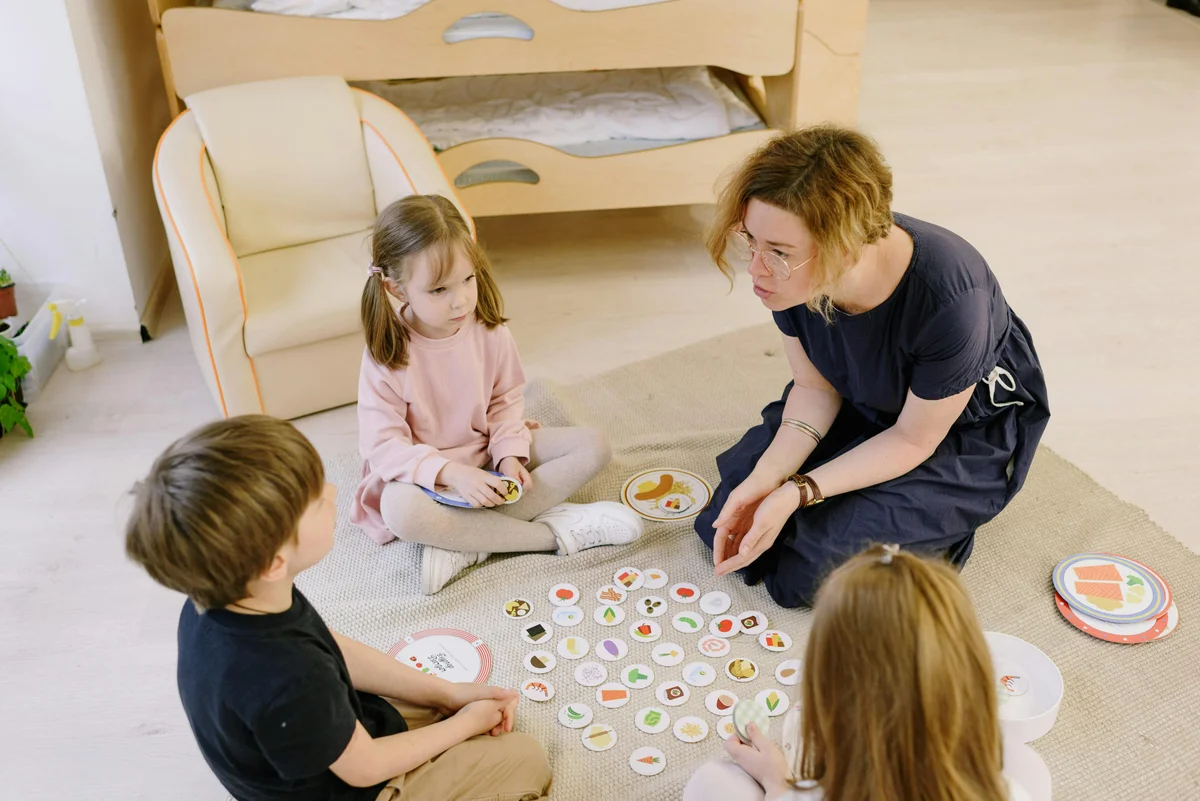
This period often surprises parents. Children who struggled with reading suddenly devour chapter books. Math concepts that seemed impossible click into place. The foundation you built in earlier months starts producing visible results.
Signs of progress to watch for:
- Self-directed learning moments (child explores topics independently)
- Questions that show deeper thinking
- Connections between subjects (applying math to cooking, etc.)
- Enthusiasm for at least one academic area
Months 10-12: Reflection and Planning
Your first year concludes with reflection. What worked? What needs to change? Which curriculum will you keep, and what will you replace? These questions guide your second-year planning.
Most importantly, celebrate your accomplishment. You completed a full year of homeschooling. Your child learned. You grew as a teacher. Furthermore, you now have real experience to guide future decisions.
Year-end tasks:
- Compile portfolio or records required by your state
- Document progress with work samples
- Reflect on academic and personal growth
- Plan summer activities (learning doesn’t stop)
- Order curriculum for next year (early orders often get discounts)
Common First Year Homeschooling Challenges and Disadvantages
Understanding the potential disadvantages of first year homeschooling helps you prepare for what’s coming. While homeschooling offers tremendous benefits, these challenges catch many families off guard. Here’s what to expect and how to overcome each obstacle.
Challenge 1: Self-Doubt
Every homeschool parent experiences self-doubt. You’ll wonder if you’re doing enough, teaching correctly, or ruining your child’s future. These thoughts are normal but don’t reflect reality. Research from the Coalition for Responsible Home Education consistently shows that approximately 78% of first-year homeschoolers report significant self-doubt during their first six months.
Combat self-doubt by keeping a success journal. Write down one thing that went well each day. On difficult days, read previous entries. Additionally, connect with experienced homeschoolers who can offer perspective and encouragement. The National Home Education Research Institute reports that homeschooled students consistently perform above average academically, regardless of parent education level. Their data shows homeschoolers typically score 15-30 percentile points higher than public school students on standardized tests.
Challenge 2: Sibling Conflicts
If you homeschool multiple children, sibling conflict increases dramatically. Kids who previously separated for school now spend all day together. Consequently, tensions rise.
Solutions include building in separate activity time, teaching conflict resolution skills, and accepting that some bickering is normal. Many families also find that focused one-on-one time with each child reduces overall conflict.
Challenge 3: Curriculum Regret
You’ll likely buy curriculum that doesn’t work. This happens to everyone—I’ve personally gone through four different math programs before finding the right fit. The expensive textbook program everyone recommended might not suit your child’s learning style. Alternatively, free resources online might outperform your paid materials.
Minimize curriculum regret by borrowing before buying, purchasing used when possible, and remembering that switching curriculum isn’t failure. It’s responsive teaching. Sites like Cathy Duffy Reviews provide detailed curriculum analysis to help you make informed choices before purchasing.
Challenge 4: Socialization Concerns
Friends and family will ask about socialization. You’ll ask yourself about socialization. Initially, this concern feels overwhelming. However, most homeschool families find their children’s social lives actually improve.
Homeschool co-ops, sports teams, music lessons, community classes, and neighborhood friendships provide abundant social interaction. Moreover, homeschooled children often develop better communication skills with people of all ages rather than only their grade-level peers.
Challenge 5: Spouse or Partner Disagreement
Not all partners support homeschooling equally. One parent may feel excited while the other remains skeptical. This tension adds stress to an already challenging transition.
Address disagreements by setting review periods (evaluate progress after 3 months), defining clear responsibilities, and acknowledging each person’s concerns. Often, skeptical partners become supporters after seeing real progress.
Practical Tips from Experienced First Year Homeschoolers
These strategies come from my own decade of homeschooling plus insights from the hundreds of families I’ve worked with through our homeschool community. They’ve been tested in real homes with real kids.
Start Slower Than You Think Necessary
New homeschoolers consistently attempt too much too soon. Your child doesn’t need to cover every subject from day one—and shouldn’t. In fact, slow starts lead to better long-term results. When I started, I tried teaching five subjects in the first week and we were all exhausted by Friday. Focus on building habits before loading up academics.
Protect Your Morning Routine
Successful homeschool families guard their morning hours. Complete the most challenging subjects when everyone is fresh. Save easier activities for afternoon when attention wanes. Additionally, say no to morning appointments and activities that disrupt this rhythm.
Read Aloud Every Day
Reading aloud builds vocabulary, comprehension, and connection. Continue reading to your children well beyond the age they can read independently. This practice requires no preparation and benefits multiple subjects.
Join a Local Community
Homeschool communities provide support, resources, and social opportunities. Look for co-ops, support groups, or informal park meetups in your area. Online communities also offer valuable encouragement, especially during difficult weeks. HSLDA’s homeschool group finder can help you locate co-ops, support groups, and sport leagues near you.
Accept Imperfect Days
Some days will fail spectacularly. The curriculum you planned won’t happen. Kids will melt down. You’ll question everything. These days don’t define your homeschool. Therefore, accept them, rest, and start fresh tomorrow.
First Year Homeschooling Budget Reality
New homeschoolers often overspend during their first year. Enthusiasm leads to purchasing curriculum, supplies, and resources that end up unused. Subsequently, these purchases contribute to “curriculum graveyard” collections most experienced homeschoolers accumulate.
Average first-year costs:
- Core curriculum (math, language arts): $200-800
- Supplemental materials: $100-300
- Supplies and manipulatives: $50-150
- Field trips and activities: $100-400
- Co-op or class fees: $0-500
These costs vary dramatically based on curriculum choices and activities. Families who rely heavily on library resources and free online materials spend under $300 annually. Meanwhile, those purchasing premium boxed curriculum may spend over $1,500. For budget-friendly strategies, check our guide on homeschooling on a budget. For specific state requirements that might affect your costs, check our Florida homeschool guide or find your state’s guide.
Signs Your First Year Is Going Well
Success in your first year doesn’t mean perfect test scores or completed workbooks. Instead, look for these indicators:
- Your child asks questions – Curiosity indicates engaged learning
- Reading happens voluntarily – Even short sessions count
- Frustration decreases over time – Not immediately, but gradually
- Your child can explain concepts – Understanding trumps memorization
- Family relationships improve – Connection grows without school stress
- You feel less anxious – Confidence builds with experience
Frequently Asked Questions
How many hours should we homeschool each day in the first year?
Most elementary-age children need only 2-4 hours of focused instruction daily. Older students may require 4-6 hours. However, quality matters more than quantity. A focused 90-minute session often accomplishes more than a distracted 4-hour day. Start with short sessions and gradually increase as attention span develops.
What if my child falls behind during the first year?
The concept of “behind” assumes a fixed timeline that homeschoolers don’t follow. Children learn at different rates in different subjects. Your child might be “behind” in math but “ahead” in reading. Focus on consistent progress rather than grade-level benchmarks. Most children catch up and often surpass peers within two years of homeschooling.
Should I follow public school curriculum in the first year?
You can, but you don’t have to. Public school curriculum assumes classroom teaching with 25+ students. Homeschooling allows one-on-one instruction, which covers material much faster. Many homeschool curricula are specifically designed for home education and work better in that context.
How do I know if homeschooling is working?
Regular assessment helps track progress. This doesn’t mean standardized tests (though some states require them). Instead, observe daily learning, keep work samples, and note skills mastered over time. If your child is learning, growing, and developing curiosity, homeschooling is working.
What if I want to quit during the first year?
Wanting to quit is normal, especially during months 2-4. Before deciding, identify the specific problem. Are you burnt out? Is curriculum wrong? Does your child need evaluation for learning differences? Often, targeted adjustments solve problems that feel insurmountable. Give yourself at least one full year before making permanent decisions.
Your First Year Sets the Foundation
The habits, attitudes, and rhythms you establish during your first year homeschooling carry forward for years. Therefore, focus on building a sustainable foundation rather than covering maximum content. A child who loves learning will accomplish more long-term than one pushed through material they hate.
Your first year won’t be perfect. You’ll make mistakes, buy wrong curriculum, and have days you’d rather forget. Nevertheless, you’ll also witness breakthroughs, build deeper family connections, and discover your child’s unique strengths.
Trust the process. Thousands of families have successfully navigated their first year homeschooling, and you will too. The fact that you’re reading this guide shows you care enough to prepare. That commitment matters more than any curriculum choice or perfect schedule.
Ready to begin? Start with our complete guide to starting homeschool for step-by-step instructions on getting started legally and practically.

Leave a Reply