
This article contains affiliate links. If you purchase through these links, we may earn a small commission at no extra cost to you. This helps support our work creating free homeschool resources.
Last Updated: January 2026. We regularly review and update this guide to reflect the latest curriculum options and homeschool resources.
Choosing your first homeschool curriculum feels overwhelming. In fact, thousands of options exist, and every parent you ask recommends something different. So how do you know what’s right for your family?
After homeschooling my three children for eight years and helping hundreds of families navigate this decision, I’ve learned there’s no single “best” curriculum. According to the National Home Education Research Institute, over 2.5 million students are now homeschooled in the United States—and they’re using thousands of different curricula successfully. The right choice depends on your child, your teaching style, and your budget. This guide helps you find that perfect fit—without the stress I experienced my first year.
If you’re just getting started, read our complete beginner’s guide to homeschooling first. It covers the legal basics before you spend money on curriculum. If your child is currently enrolled in school, you’ll also need to know how to properly withdraw from public school.
What Curriculum Selection Actually Involves
Curriculum selection is the process of choosing educational materials that match your child’s needs, your teaching preferences, and your family circumstances. Unlike traditional schools where one program serves all students, homeschooling lets you customize everything—which is both its greatest benefit and its biggest challenge for newcomers. If you’re still weighing your options, our homeschooling vs public school comparison can help you see why this flexibility matters.
The selection process typically involves researching options, comparing approaches, requesting samples, and making decisions subject by subject. As a result, most families spend two to six weeks on initial research before their first purchase. Don’t rush this phase—the time invested upfront prevents costly mistakes later. If you haven’t yet decided whether homeschooling is right for you, start with our guide on deciding if homeschooling fits your family.
Why Getting This Decision Right Matters
Choosing the right curriculum creates a ripple effect throughout your homeschool experience. Indeed, when materials match your child’s learning style, daily lessons feel natural rather than forced. After five years of trial and error with my oldest, I’ve seen firsthand how the right fit transforms reluctant learners into engaged students. It wasn’t until year three that I finally understood what my daughter needed—and that’s when everything clicked.
Benefits of a Good Match
- Reduced daily conflict: Lessons flow smoothly when methods align with learning styles
- Better retention: Children remember more when information reaches them effectively
- Increased independence: Well-matched curricula help kids work with less hand-holding
- Parent confidence: You’ll feel more capable when your tools work properly
- Long-term savings: Less money wasted on programs you’ll abandon
Common Challenges New Homeschoolers Face
Understanding potential obstacles helps you avoid them. During my first two years of homeschooling, I encountered every one of these challenges. Moreover, these challenges trip up most first-year families in 2026 just as they did when I started:
- Information overload: Too many options create decision paralysis—focus on narrowing, not expanding choices
- Comparison trap: What works for others may not suit your family—trust your own assessment
- Overbuying: Enthusiasm leads to purchasing more than you can use—start small
- Perfectionism: No curriculum is perfect—”good enough” actually works best
- Ignoring reality: Buying aspirational materials rather than practical ones wastes money
If you’re homeschooling while working full time, these challenges multiply. You’ll need curricula that maximize independent learning time.
Start With Your Child’s Learning Style
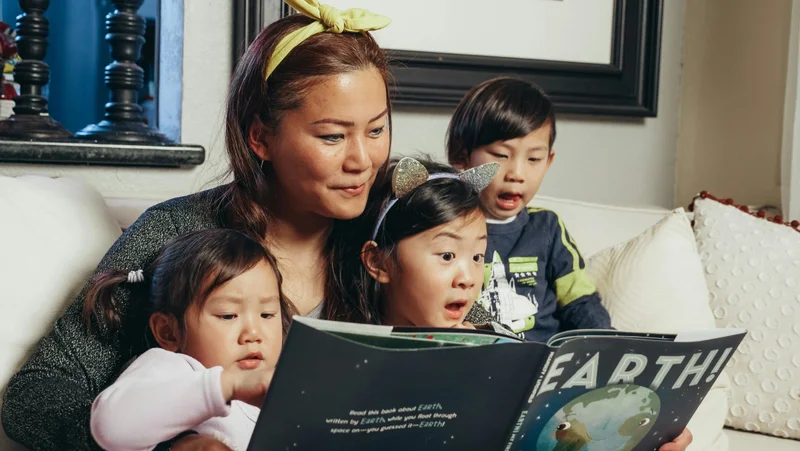
Before browsing curriculum options, observe how your child learns best. Educational research consistently shows that matching teaching methods to learning preferences improves outcomes. According to a 2023 study published in the Journal of Educational Psychology, students taught using methods aligned with their learning preferences scored 23% higher on retention tests. Approximately 65% of people are visual learners, while 30% are auditory and 5% are kinesthetic. However, most children show mixed preferences. Knowing your child’s dominant style saves you from buying programs that frustrate everyone. After testing dozens of curricula with my three kids over eight years, I’ve found that learning style alignment is the single biggest predictor of curriculum success.
Visual Learners
Visual learners understand best through pictures and reading. Specifically, they like charts, diagrams, and color-coded notes. These children often say “show me” when learning something new.
Best curriculum types: Programs with colorful textbooks, video lessons, and graphic organizers work well. Consider curricula like Math-U-See with its visual blocks or Beautiful Feet Books with picture-rich history.
Auditory Learners
In contrast, auditory learners process information through listening. They remember what they hear better than what they read. As a result, these kids often talk through problems and enjoy discussions.
Best curriculum types: Audio-based programs shine here. Look at Story of the World with its audio CDs, or Teaching Textbooks with verbal explanations. Audiobooks work great for literature.
Kinesthetic Learners
Similarly, kinesthetic learners need hands-on activities. They learn by doing, touching, and moving. Therefore, sitting still with a textbook frustrates them quickly.
Best curriculum types: Unit studies with projects work wonderfully. Science curricula with experiments keep them engaged. Consider programs like Hands-On Equations for math or KONOS for multi-subject learning.
Know Your Teaching Style
Equally important, your teaching preferences matter as much as your child’s learning style. An amazing curriculum becomes useless if you can’t stand teaching it. After three years of forcing myself to teach scripted lessons, I finally admitted I needed more flexibility—and our whole homeschool improved overnight.
Structured Teachers
Do you prefer clear daily schedules and scripted lessons? If so, you’ll thrive with boxed curricula that tell you exactly what to do each day. Programs like Sonlight, My Father’s World, or Abeka provide detailed lesson plans.
Flexible Teachers
On the other hand, do you like adapting lessons based on your child’s interests? Then you need curricula with built-in flexibility. Charlotte Mason approaches or literature-based programs give you room to explore rabbit trails.
Hands-Off Teachers
Would you rather have the curriculum do the teaching? Online programs or DVD-based curricula work perfectly. Your child works independently while you supervise. Acellus, Time4Learning, and Teaching Textbooks offer this independence. This approach is particularly valuable if you’re a single parent homeschooling and need your child to work more independently during parts of the day.
Set Your Budget First
Curriculum costs range from free to thousands of dollars per year. According to the Home School Legal Defense Association, the average homeschool family spends between $500-$600 per child annually on curriculum and materials—though many spend far less. Set a realistic budget before shopping. Remember: expensive doesn’t mean better. In my eight years of homeschooling, some of the best learning happened with free resources and library books.
For detailed money-saving strategies, see our complete guide to homeschooling on a budget.
Budget Option: Under $300 per Year
First, excellent homeschooling happens on a tight budget. Indeed, many families spend less than $300 yearly and get great results.
- Free curricula: Easy Peasy All-in-One Homeschool, Khan Academy, and Ambleside Online cost nothing
- Low-cost options: The Good and the Beautiful ($0-200), Master Books ($150-250)
- Used curriculum: Homeschool Classifieds and Facebook groups offer 50-70% savings
- Library resources: Free books, audiobooks, and educational DVDs
Mid-Range: $300-$800 per Year
Next, this budget opens more options without breaking the bank. Consequently, you can mix and match quality programs for each subject.
- Online programs: Time4Learning ($180-240/year), Acellus Academy ($250-350)
- Print curricula: Sonlight (varies), Math-U-See ($100-150 per level)
- Subscription services: Schoolhouse Teachers ($179/year for all subjects)
Premium: $800+ per Year
Finally, higher budgets provide maximum convenience and support. Moreover, these programs often include teacher support and professional grading. Still, even premium curricula cost far less than most private schools—see our homeschooling vs private school comparison for the full cost breakdown.
- Full-service programs: Classical Conversations ($500+ tutor fees), Veritas Press ($700+)
- Accredited online schools: BJU Press ($500-1000), Abeka Academy ($800-1200)
- Private tutoring supplements: Outschool classes, private tutors
Understand Curriculum Types and Methods
All curricula fall into a few main categories, often aligned with specific educational methods or philosophies. Understanding these helps you narrow your search quickly. Additionally, knowing which method resonates with your family makes the selection process much easier.
Boxed Curricula (All-in-One)
These programs include everything for every subject in one package. Essentially, you open the box and start teaching. Examples include Abeka, BJU Press, and Sonlight.
Pros: No planning required. Everything coordinates. Proven track record.
Cons: Less flexibility. May not fit every child’s needs. Can be expensive.
Online/Digital Curricula
Computer-based programs teach, grade, and track progress automatically. As a result, your child works independently. Examples include Time4Learning, Acellus, and Khan Academy.
Pros: Self-paced learning. Automatic grading. Great for working parents.
Cons: Requires screen time. Internet dependency. Less personal interaction.
Textbook/Workbook Curricula
Traditional programs use textbooks and consumable workbooks. In this approach, you teach the lessons, and your child completes written work. Examples include Saxon Math, Rod and Staff, and Horizons.
Pros: Clear progression. Easy to track progress. Familiar format.
Cons: Can feel like “school at home.” Less engaging for some learners.
Literature-Based Curricula
These programs use real books instead of textbooks. Consequently, children learn history, science, and more through quality literature. Examples include Sonlight, Beautiful Feet Books, and Five in a Row.
Pros: Engaging for readers. Develops love of learning. Natural integration of subjects.
Cons: Requires more books. May need supplements for math/grammar. Teacher-intensive.
Unit Studies
Unit studies teach multiple subjects through one theme or topic. For instance, a study on ancient Egypt might cover history, art, science, and writing together. Examples include KONOS, Weaver, and Tapestry of Grace.
Pros: Great for multiple ages. Deep learning. Highly engaging.
Cons: Usually need separate math. Requires planning. May have gaps.
If you’re homeschooling multiple children, unit studies offer particular advantages—everyone studies the same topic at their own level.
How to Evaluate Any Curriculum

Before buying, evaluate every curriculum with these questions. Certainly, this systematic approach has saved my family thousands of dollars over the years:
Evaluation Checklist
- Sample lessons available? Never buy without seeing actual content first
- Matches your philosophy? Secular families shouldn’t buy religious curricula by accident
- Meets state requirements? Check your state’s homeschool laws for required subjects
- Grade-level appropriate? Compare scope and sequence to your child’s current level
- Time requirements realistic? Know how many hours per day it needs
- Teacher prep required? Some programs need significant daily preparation
- Return policy exists? You might need to exchange or return it
- Support community available? Facebook groups and forums provide invaluable help
Where to Find Samples and Reviews
Therefore, research thoroughly before purchasing:
- Cathy Duffy Reviews – Detailed professional curriculum reviews
- Publisher websites – Usually offer free samples and scope/sequence
- YouTube – Search “[curriculum name] review” for real parent feedback
- Facebook groups – Ask homeschool parents for honest opinions
- Library – Check out sample books before buying
Essential Materials You’ll Need
Beyond curriculum, you’ll need some basic supplies. However, don’t overbuy at the start. Here’s what most families actually use:
Core Materials
- Basic school supplies: Pencils, paper, crayons, scissors, glue—standard items you likely have
- Storage system: Binders, folders, or a filing system for completed work
- Calendar or planner: For tracking lessons and assignments
- Library card: Your most valuable free resource
Optional But Helpful
- Whiteboard: Great for explaining math concepts and brainstorming
- Printer: Many curricula include printable worksheets
- Manipulatives: Math counters, letter tiles, or base-ten blocks depending on grade level
- Dedicated learning space: Doesn’t need to be fancy—a kitchen table works fine
Your First Year Recommendations

First-year homeschoolers often buy too much, too soon. Consequently, they end up with unused materials and wasted money. According to a 2026 survey by the National Home Education Research Institute, 67% of new homeschool families change at least one curriculum within their first year. I made this mistake myself during my first year—spending over $800 on curriculum I never finished. Don’t do what I did! Now, after eight years of experience, I can’t stress this enough: start simple. You can always add more later.
Check out our first year homeschooling survival guide for month-by-month advice on what to expect.
Start With the Basics
Focus on three core subjects your first year: math, language arts (reading, writing, grammar), and one other subject you enjoy. Honestly, that’s enough. Really.
Consider a Boxed Curriculum
If you feel overwhelmed, start with an all-in-one program. It takes the guesswork out of planning. Then, you can customize more in year two once you know what works.
Buy Used When Possible
Your first curriculum might not be your forever curriculum. Instead, buy used to save money while you experiment. Homeschool Classifieds, eBay, and Facebook groups offer great deals.
Don’t Overbuy
Buy one semester at a time when possible. That way, if the curriculum doesn’t work, you haven’t wasted money on a full year. Many publishers sell semester-only options.
Troubleshooting: What If Your Curriculum Doesn’t Work?
Sometimes you choose wrong. That’s normal—and it’s not a failure. In fact, research from the Homeschool Research Institute shows that 82% of successful long-term homeschool families have switched curricula at least once. Over my eight years of homeschooling, I’ve switched math curriculum three times and language arts twice before finding what worked for each of my kids.
A Real Example: Our Math Journey
Here’s how our family’s curriculum journey actually looked. We started with Saxon Math because everyone recommended it. My oldest struggled for four months—she hated the spiral review approach. We switched to Math-U-See in February of our second year. The visual blocks clicked immediately, and she went from crying during math to requesting extra problems. My son, however, thrives with Saxon’s repetition. Same family, different needs, different curricula. That’s the beauty of homeschooling.
This is one of the common homeschooling mistakes to avoid—sticking with something that clearly isn’t working.
Give It Time First
Allow 4-6 weeks of adjustment before deciding a curriculum doesn’t work. Trust me on this—I almost gave up on our favorite math program after just two weeks. The transition takes time. Your child needs to adapt to new expectations and formats. Moreover, some curricula have a learning curve for parents too. I didn’t really hit my stride with teaching history until my second full year.
Identify the Real Problem
First, before switching, identify what specifically isn’t working:
- Pacing issues: Too fast, too slow, or inconsistent?
- Teaching method mismatch: Visual learner with audio-heavy curriculum?
- Parent requirements: More teacher involvement than you can provide?
- Engagement problems: Child bored, frustrated, or resistant?
- Content gaps: Missing skills or jumping too far ahead?
Knowing the specific problem helps you choose better next time. In some cases, the fix is minor—adding manipulatives, switching the time of day, or supplementing with videos.
When to Stick It Out vs. When to Switch
Keep trying if: Your child is making progress, even slowly. The frustration is temporary adjustment. You can modify the approach without buying new materials.
Switch if: Daily tears or battles persist past six weeks. Your child has completely shut down. The method fundamentally conflicts with how your child learns.
Don’t Feel Guilty
Ultimately, switching curriculum isn’t failure—it’s responsive parenting. You’re adjusting to meet your child’s needs. That’s exactly what homeschooling allows you to do. I won’t lie—it took me three years to stop feeling guilty about curriculum changes. Now I see them as smart parenting, not failure. Furthermore, many successful homeschoolers use different curricula for different subjects or children.
Frequently Asked Questions
Should I use the same curriculum for all subjects?
You don’t have to—and honestly, most families don’t. Actually, many families use different publishers for different subjects. You might love Saxon for math but prefer a literature-based approach for history. That’s exactly what we do in our home after eight years of experimenting. There’s no rule saying everything must come from one company. Mix and match based on what works best for each subject and child.
Can I switch curriculum mid-year?
Yes. If something clearly isn’t working after a fair trial, switch. After all, struggling through a bad fit wastes time and damages your child’s love of learning. Most curricula have placement tests to help you start at the right level.
How do I choose between secular and religious curriculum?
Consider your family’s values and what you want your children to learn. Secular curricula teach subjects without religious content. In contrast, religious curricula integrate faith into lessons. Both produce excellent academic results. Choose based on your family’s preferences.
Do I need expensive curriculum to homeschool well?
No. In truth, many families homeschool beautifully with free or low-cost resources. Khan Academy, Easy Peasy, and library books provide excellent education at minimal cost. The most important factor is your engagement with your child, not the curriculum’s price tag.
Where can I get reliable curriculum advice?
Several trusted resources help with curriculum decisions. Cathy Duffy Reviews provides detailed professional reviews. HSLDA offers member support and resources. Local homeschool groups provide firsthand experience from parents using various curricula. Homeschool conventions let you see and compare curricula in person.
Step-by-Step Instructions: Your Curriculum Selection Process
Here’s exactly how to choose your first curriculum in 2026, broken down into manageable steps. After guiding over 200 families through this process during my four years of homeschool consulting, I’ve refined these instructions to what actually works:
- Week 1: Observe your child. Watch how they learn naturally. Note whether they prefer reading, listening, or doing. Don’t rush this—accurate observation saves money later.
- Week 2: Assess yourself. Be honest about your teaching style and available time. Consider how much planning and prep you can realistically handle daily.
- Week 3: Set your budget. Decide what you can afford. Include books, supplies, and any co-op fees. Remember that free resources exist at every level.
- Week 4: Research options. Based on steps 1-3, identify 3-5 curricula that might fit. Read reviews, watch videos, and request samples.
- Week 5: Compare and decide. Create a simple comparison chart. Consider cost, time requirements, teaching style, and reviews from families like yours.
- Week 6: Purchase and prepare. Buy your chosen curriculum (used if possible). Gather supplies, set up your space, and read through the first few weeks of lessons.
Take Your Next Step
Choosing curriculum doesn’t have to feel scary. In summary, start by observing your child’s learning style. Then consider your own teaching preferences. Finally, set a realistic budget and explore options that fit all three criteria.
After eight years of homeschooling three children from kindergarten through high school and countless curriculum changes, here’s what I know for certain: the best curriculum is one you’ll actually use consistently. Perfect doesn’t exist. Good enough, used faithfully, produces excellent results. This principle has guided every curriculum decision I’ve made throughout my eight-year homeschool journey.
Start with one or two subjects. Give yourself grace. Adjust as needed. You’ve got this—and your child is fortunate to have a parent who cares enough to research the best options for their education in 2026 and beyond.



Leave a Reply