

What if there was a math curriculum so effective that it transformed an entire country from mathematical mediocrity to world-class performance? That’s exactly what happened in Singapore. And now, homeschool families can tap into that same approach.
Here’s the thing: Singapore Math isn’t just another curriculum. It’s a complete philosophy built around one powerful idea—kids should understand math deeply before moving on. No memorizing procedures without comprehension. No racing ahead while gaps form behind. Just solid, visual, hands-on learning that builds genuine mathematical thinkers.
As a homeschool curriculum reviewer who has evaluated over 50 math programs and worked with hundreds of families over the past decade, I’ve watched Singapore Math transform struggling students into confident mathematicians. But it’s not for everyone. Let’s dig into who this works for, who it doesn’t, and whether it’s the right fit for your family.
Quick Take: Singapore Math delivers exceptional conceptual understanding through its concrete-pictorial-abstract approach. Students develop strong mental math skills and genuine number sense. It requires parent involvement and isn’t as scripted as some alternatives, but the mathematical thinking it builds is unmatched. Rating: 4.5/5
Best For: Visual learners, families wanting deep understanding over rote memorization, parents comfortable teaching
Price Range: $50-150 per grade level (textbooks, workbooks, and guides)
What Is Singapore Math?
Singapore Math refers to the teaching methodology and curriculum developed by Singapore’s Ministry of Education starting in the 1980s. The country had a problem: students were underperforming in mathematics compared to global peers. So they built a curriculum from scratch based on educational research about how children actually learn math.
The results? Within a decade, Singapore’s students rocketed to the top of international math assessments. According to the Trends in International Mathematics and Science Study (TIMSS), Singapore has consistently ranked first or second globally in mathematics achievement since 1995. The What Works Clearinghouse, a program of the U.S. Department of Education, has reviewed research on Singapore Math approaches with positive findings. American educators took notice, and by the late 1990s, publishers began adapting the materials for U.S. homeschools and classrooms.
Several publishers now offer Singapore Math programs for American families. The main options include:
- Primary Mathematics (the original adaptation, published by Singapore Math Inc.)
- Dimensions Math (a newer series from the same publisher)
- Math in Focus (published by Marshall Cavendish, often used in schools)
This review focuses primarily on Primary Mathematics and Dimensions Math, as these are the most popular choices for homeschoolers. The core methodology remains consistent across editions.
How Singapore Math Works
The secret sauce? Something called the Concrete-Pictorial-Abstract (CPA) approach. Sounds fancy, but it’s actually intuitive once you see it in action.
The CPA Framework
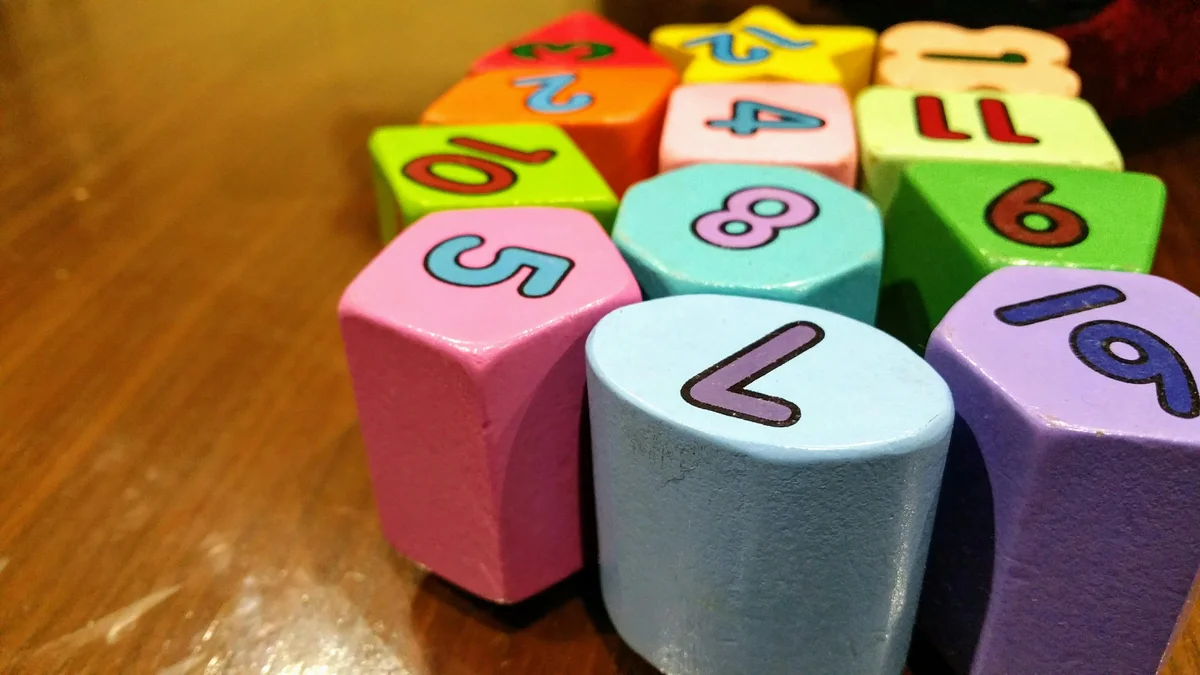
Concrete: Kids start by physically manipulating objects. Base-ten blocks, fraction tiles, counters—real things they can touch and move. When learning addition, they’re literally combining groups of objects.
Pictorial: Next, they transition to visual representations. Bar models, number bonds, place value charts. They’re still seeing the math, just on paper instead of with physical manipulatives.
Abstract: Only after mastering the concrete and pictorial stages do students work with numbers and symbols alone. By then, they genuinely understand what those abstract symbols represent.
This progression isn’t rushed. A single concept might stay at the concrete stage for weeks if that’s what a child needs. There’s no “we covered addition last Tuesday, time to move on” mentality. Mastery comes first.
Bar Model Problem Solving
Bar models are probably the most distinctive feature of Singapore Math. They’re rectangular diagrams that represent word problems visually. Instead of trying to figure out which operation to use, kids draw the problem and the solution becomes clear.
Here’s a simple example: “Sara has 24 stickers. She has 3 times as many as Tom. How many does Tom have?”
A bar model shows Sara’s quantity as three equal boxes and Tom’s as one box of the same size. Kids immediately see they need to divide 24 by 3. No formula memorization required—just visual logic.
These models scale beautifully. The same technique that works for simple multiplication problems in second grade handles complex algebra-level word problems in sixth grade. Kids who master bar modeling often breeze through problems that stump their traditionally-taught peers. Research from mathematics education journals consistently highlights bar modeling as one of the key features that distinguishes Singapore Math from traditional American approaches.
Daily Lesson Structure
A typical Singapore Math lesson flows like this:
- Anchor task – Introduction of a new concept with manipulatives or visual models
- Guided practice – Working through examples together, often using bar models
- Independent practice – Workbook pages reinforcing the concept
- Word problems – Application of skills to real-world scenarios
Lessons typically run 30-45 minutes. Many families find they can complete a lesson in less time than that once they’re familiar with the approach. The materials are designed to be efficient—no busywork, no excessive repetition.
Materials Included
A complete Singapore Math setup includes:
- Textbook – Colorful, introduces concepts through examples and illustrations
- Workbook – Practice problems, usually 2-4 pages per lesson
- Home Instructor’s Guide – Detailed teaching notes, answers, and suggestions (highly recommended)
- Manipulatives – Base-ten blocks, fraction bars, counters (purchased separately)
The Primary Mathematics series comes in three editions: U.S. Edition, Standards Edition, and Common Core Edition. For most homeschoolers, the U.S. Edition works great and avoids some of the modifications made for classroom use.
Key Advantages of Singapore Math
Here’s the bottom line: Singapore Math builds genuine understanding—not surface-level memorization. These benefits help students who want STEM careers or just confidence with numbers.
1. Deep Conceptual Understanding
This is the headline benefit, and it’s not marketing fluff. Kids who learn through Singapore Math genuinely understand why math works, not just how to get answers.
I’ve witnessed this transformation countless times in my work with homeschool families. One mother shared that her daughter, after switching from a traditional curriculum, went from crying during math to voluntarily teaching concepts to her younger brother using bar models within a single semester. That kind of mathematical fluency doesn’t come from memorizing procedures.
The payoff shows up years later too. Students with strong conceptual foundations typically find algebra intuitive rather than mysterious. They’re not learning a new subject—they’re just using familiar tools in new ways.
2. Outstanding Mental Math Skills
Singapore Math emphasizes mental computation from the start. Kids learn number bonds (ways to compose and decompose numbers) and use them constantly. By third or fourth grade, many can perform calculations mentally that adults reach for a calculator to solve.
Here’s what that looks like in practice: Instead of stacking 47 + 38 vertically and carrying, a Singapore-trained student might think “47 + 40 is 87, minus 2 is 85.” They’re manipulating numbers flexibly, finding efficient paths to answers.
This mental agility transfers beyond math class. Strong number sense helps with everyday calculations, financial literacy, and scientific reasoning. It’s a genuine life skill.
3. Visual Learning Approach
For visual learners—and honestly, most kids benefit from visual instruction—Singapore Math is a revelation. Every concept gets represented pictorially before moving to abstract notation. Kids literally see what they’re learning. If you’re wondering whether your child might be a visual learner, check out our guide on choosing the best homeschool math curriculum which covers learning style considerations.
Place value makes sense when you’re grouping base-ten blocks. Fractions click when you’re shading bar models. The visual scaffolding means fewer “I don’t get it” moments because understanding is built incrementally.
Parents often report that concepts they struggled with as children suddenly make sense when they see them taught visually. According to the National Council of Teachers of Mathematics (NCTM), visual representations are essential for developing mathematical understanding. If traditional math instruction left you feeling like you were “just not a math person,” teaching Singapore Math might change your perspective.
4. Mastery-Based Progression
You won’t find the same topics repeated year after year in Singapore Math. Instead, concepts are taught thoroughly once, practiced until mastered, and then built upon. It’s efficient and respects kids’ intelligence. This mastery approach differs significantly from spiral curricula that revisit topics annually—for a deeper comparison of these philosophies, see our guide on spiral vs mastery math approaches.
This means less review and more forward progress. A student who truly masters multi-digit multiplication in third grade doesn’t need to relearn it in fourth—they’re ready for the next level. The curriculum trusts that mastery actually means something.
For advanced learners, this efficiency is especially valuable. They can move through material at their natural pace without drowning in repetitive practice of concepts they’ve already grasped.
5. Excellent Problem-Solving Skills
Word problems aren’t an afterthought in Singapore Math—they’re the main event. Every lesson connects to real-world applications, and the bar model method gives kids a reliable strategy for tackling even challenging problems.
The problems themselves are thoughtfully designed. They require actual thinking, not just plugging numbers into formulas. Kids learn to read carefully, identify what’s being asked, and work systematically toward solutions.
Many parents notice their kids developing a “figure it out” mentality that extends beyond math. The problem-solving mindset transfers to science, logic puzzles, and everyday challenges.

Potential Disadvantages to Consider
No curriculum is perfect. Here are the drawbacks to weigh before choosing Singapore Math:
1. Requires Significant Parent Involvement
Let me be direct: Singapore Math is not a “hand them the book and walk away” curriculum. Especially in the early grades, parents need to actively teach. You’ll introduce concepts with manipulatives, guide practice sessions, and explain the pictorial representations.
The Home Instructor’s Guide helps enormously, but you’ll still need to understand the material yourself. If you’re uncomfortable with math or pressed for teaching time, this could be a dealbreaker.
For families where one parent can dedicate consistent time to math instruction, this isn’t a problem. But if you’re looking for independence or minimal supervision, consider a computer-based program or video-led curriculum for a more hands-off option.
2. Placement Can Be Tricky
Singapore Math covers topics in a different sequence than American curricula. A student who’s finished third grade in another program might place into Singapore Math 2B or 3A—or even need to go back further if there are conceptual gaps.
The publisher offers free placement tests, and I strongly recommend using them honestly. Starting at the “right” level means starting where your child can succeed, even if that feels like moving backwards. Rushing ahead leads to frustration.
Some families find the placement process discouraging. But kids who start at the appropriate level typically progress quickly once the foundation is solid.
3. Less Practice Than Some Alternatives
Coming from a curriculum heavy on drill and repetition, you might find Singapore Math surprisingly lean. There’s practice, but it’s focused and purposeful rather than extensive.
For some kids, this is perfect—they grasp concepts quickly and don’t need twenty more problems of the same type. For others, especially those who need more repetition to solidify skills, you may need to supplement with additional practice books (Extra Practice and Intensive Practice workbooks are available).
This isn’t necessarily a flaw in the curriculum—it’s a design choice prioritizing understanding over rote practice. But it’s important to know going in.
4. Not as Scripted as Other Programs
If you want a curriculum that tells you exactly what to say and do, minute by minute, Singapore Math might feel open-ended. The Home Instructor’s Guide provides excellent support, but it’s not a script. You’ll need to adapt explanations to your child’s needs.
For confident homeschool parents, this flexibility is a feature. For those who prefer more structure, it can feel uncertain. Consider your teaching style honestly before committing.
Want something more scripted? Saxon Math offers a highly structured alternative with explicit instruction.
5. Manipulatives Add to Cost
The curriculum itself is reasonably priced, but you’ll also need manipulatives—particularly for the early grades. Base-ten blocks, fraction bars, place value discs, and counters add $50-100 to your initial investment.
Some families improvise with homemade manipulatives or printables, and that can work. But having proper materials makes teaching easier and learning more effective. Budget for them.
Who Is Singapore Math Best For?

After evaluating this curriculum extensively and gathering feedback from hundreds of homeschool families, clear patterns emerge. Here’s my honest assessment of who thrives and who struggles.
Great fit if:
- Your child is a visual learner – The pictorial emphasis plays to their strengths
- You want deep understanding, not just computation – This is literally the design philosophy
- You have time to actively teach – Parent involvement is non-negotiable, especially early on
- Your child grasps concepts quickly – Less repetition means faster progress for quick learners
- Math anxiety is a concern – The visual approach often helps kids who’ve struggled with abstract instruction (see our best math curriculum for struggling students guide for more options)
- You’re planning ahead for advanced math – The conceptual foundation pays dividends in algebra and beyond
May not be ideal if:
- You need a hands-off curriculum – This requires active teaching
- Your child needs extensive repetition – You’ll likely need to supplement
- You’re uncomfortable teaching math – Some comfort with the material is necessary
- Your child is a strong auditory learner – The emphasis is visual, not verbal
- You want a completely scripted program – It’s less prescriptive than alternatives
Singapore Math vs Alternatives
| Feature | Singapore Math | Saxon Math | Math-U-See |
|---|---|---|---|
| Approach | Mastery-based, visual | Spiral, incremental | Mastery-based, visual |
| Price per year | $50-150 | $80-120 | $100-150 |
| Grade Range | K-8 | K-12 | K-12 |
| Parent Involvement | High | Low-Medium | Medium |
| Video Instruction | No (supplement available) | No | Yes, included |
| Best For | Visual learners, conceptual depth | Structure lovers, retention | Struggling learners, visual |
Each curriculum has genuine strengths. Singapore Math excels at building mathematical thinkers; Saxon ensures nothing is forgotten; Math-U-See combines video instruction with manipulatives. Your choice depends on your child’s learning style and your family’s needs.
For a structured alternative, check out our Saxon Math review to see how a spiral approach compares.
Grade Level Options
Understanding the different levels and editions can be confusing. Here’s the breakdown:
Primary Mathematics (Grades 1-6)
This is the original U.S. adaptation and remains the most popular choice for homeschoolers. Available in three editions:
- U.S. Edition – Most commonly recommended for homeschoolers. Uses U.S. measurements and currency.
- Standards Edition – Aligned to California math standards. Slightly more review built in.
- Common Core Edition – Aligned to Common Core State Standards. Useful if you need that alignment.
Each grade is split into A and B semesters (1A, 1B, 2A, 2B, etc.), giving natural stopping points and helping with placement.
Dimensions Math (Pre-K through 8)
A newer series offering updated illustrations and additional teacher support. The methodology is the same, but some families prefer the fresher presentation. It includes pre-K materials that Primary Mathematics lacks.
Earlybird Kindergarten (K)
The original kindergarten program. Focuses on number sense, patterns, and pre-math concepts using the same CPA approach. If you’re starting with a kindergartener, you might also want to explore our roundup of best math curriculum for kindergarten to see how Singapore Math compares to other early-years options.
Sample Weekly Schedule
When planning your Singapore Math schedule, I recommend a consistent daily routine. Here’s a sample weekly schedule that works well for most families:
- Monday-Thursday: New lesson (30-45 minutes) – Introduce concept with manipulatives, guided practice, workbook pages
- Friday: Review and problem-solving (30 minutes) – Word problems from the week’s concepts, mental math practice
Most families complete one lesson per day, which means finishing a semester (book A or B) in about 4-5 months. This pace leaves room for extra practice days when needed and keeps things stress-free. If your child is ready for more structure in their homeschool day, you might find our Saxon Math review helpful for comparing daily schedule approaches.
Scope and Sequence Overview
Understanding what Singapore Math covers at each level helps with planning. Here’s the scope of the Primary Mathematics program:
- Grades 1-2: Number sense to 1,000, addition/subtraction mastery, introduction to multiplication, basic geometry, measurement, time and money
- Grades 3-4: Multi-digit operations, fractions, decimals, area and perimeter, data analysis, introduction to algebra concepts
- Grades 5-6: Advanced fractions and decimals, ratios, percentages, geometry with formulas, algebraic expressions, problem-solving strategies
Compared to typical American curricula, Singapore Math moves faster through arithmetic. However, it spends more time on comprehension. By sixth grade, students are ready for pre-algebra with a stronger foundation.
Sample Activities and Exercises
What does a practical Singapore Math lesson actually look like? Here are examples of typical activities:
- Concrete activity: Using base-ten blocks to physically build and decompose numbers while exploring place value
- Number bonds practice: Finding all the ways to make 10 (7+3, 6+4, 8+2) for mental math fluency
- Bar model word problems: Drawing rectangles to represent quantities and relationships in story problems
- Mental math challenges: Solving problems like 48 + 37 by thinking “48 + 40 – 3 = 85” without paper
- Workbook exercises: Completing focused practice pages with 10-15 carefully sequenced problems
The variety keeps lessons engaging. Students don’t just memorize—they explore and discover. Practice continues until understanding becomes intuitive.
How to Evaluate If It’s Working
After a few months with Singapore Math, look for these signs of success:
- Mental math confidence: Your child solves arithmetic problems in their head instead of reaching for pencil and paper
- Word problem strategies: They instinctively draw bar models or diagrams when facing story problems
- Mathematical reasoning: They can explain why their answer is correct, not just state the answer
- Transfer of skills: Concepts learned in one context apply naturally to new situations
Not seeing these signs after three to four months? Check whether the placement level is correct. Additional practice materials might also help bridge gaps.
Tips for Success
Alright, you’ve decided to try it. Here’s what I tell families to maximize their chances of success:
Use the Placement Tests
Seriously. Even if you think you know where your child should start, take the free placement tests at Singapore Math Inc. Accurate placement prevents frustration and builds confidence. It’s okay to start “below grade level” if that’s where solid understanding begins.
Get the Home Instructor’s Guide
I know it’s an extra expense, but it’s worth every penny. The guides explain the methodology, suggest teaching approaches, and provide all the answers. Trying to teach Singapore Math without them is possible but unnecessarily difficult.
Invest in Quality Manipulatives
Base-ten blocks and place value discs are essential for the early grades. Don’t skip them or try to get by with pictures alone. The concrete-to-pictorial-to-abstract progression only works if you actually start with concrete materials.
Embrace the Bar Models
Bar model problem solving might feel unfamiliar at first—it wasn’t how most of us learned. But stick with it. Once it clicks, it becomes an incredibly powerful tool. Many families report that bar models finally helped them understand word problems they struggled with as children.
Supplement Strategically
If your child needs more practice, the Extra Practice and Intensive Practice workbooks are designed specifically to supplement the main materials. Third-party options like Math Sprints can add speed drills if that’s a priority for you.
Don’t Rush
The mastery approach means staying with a concept until it’s truly understood. If your child needs extra time on a topic, give it to them. Building a solid foundation matters more than finishing by an arbitrary date.
Frequently Asked Questions
Is Singapore Math worth it?
For families who can provide the necessary teaching time and want their kids to develop deep mathematical understanding, absolutely yes. The conceptual foundation Singapore Math builds pays dividends through high school and beyond. However, if you need a more independent curriculum or your child requires extensive repetition, other options might serve you better.
What grade levels does Singapore Math cover?
Primary Mathematics covers grades 1-6, and Dimensions Math extends from pre-K through grade 8. For high school, students typically transition to other curricula like Art of Problem Solving or standard textbooks—but they transition with a rock-solid mathematical foundation.
Is Singapore Math secular or religious?
Singapore Math is completely secular. It originated in Singapore’s public school system and contains no religious content whatsoever. This makes it suitable for families of all backgrounds.
How long do lessons take?
Plan for 30-45 minutes per lesson, though many experienced families complete lessons more quickly. The curriculum is designed for efficiency—there’s teaching, practice, and application, but no busywork padding out the time.
Can I use Singapore Math if I’m bad at math?
Honestly? Many “bad at math” adults discover they were just taught poorly. The visual approach often makes concepts clearer for parents than they were when learning from textbooks. That said, you’ll need to work through the Home Instructor’s Guide and possibly preview lessons before teaching. It requires engagement, but you don’t need to be a math genius.
Final Verdict
Singapore Math earns its reputation. The curriculum genuinely delivers on its promise of deep conceptual understanding through a thoughtfully designed visual and hands-on approach. Students who learn math this way develop genuine number sense, flexible thinking skills, and the kind of mathematical foundation that makes advanced study feel natural rather than intimidating.
That said, it’s not a fit for every family. If you need a hands-off curriculum, can’t dedicate time to active teaching, or have a child who needs extensive drill and repetition, you’ll be fighting against the program’s design. Be honest about your situation before committing.
For families who can provide the teaching time and want their children to truly understand mathematics—not just compute—Singapore Math is one of the best options available. The methodology is proven, the materials are well-designed, and the results speak for themselves.
Rating: 4.5/5
Ready to try Singapore Math? Start with the free placement tests to find the right level for your child. And if you want to explore other math options first, check out our complete guide to Best Homeschool Math Curriculum.


Leave a Reply