This post may contain affiliate links. If you purchase through these links, we may earn a small commission at no extra cost to you. We only recommend products we genuinely believe will help your homeschool.
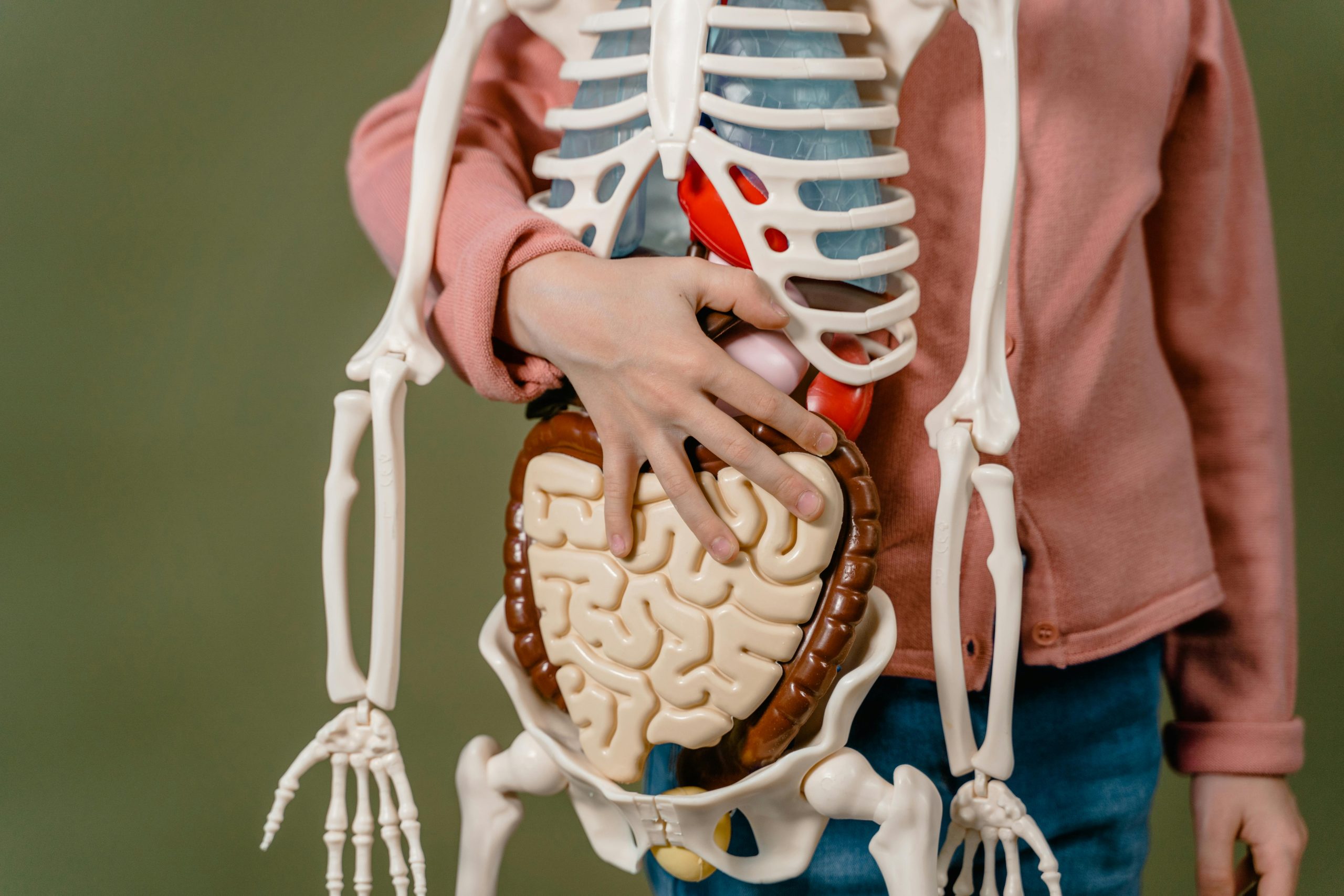
Teaching about the human body at home is both fun and useful. I’ve homeschooled three kids, and I’ve seen how much they love learning how their bodies work. Whether your child dreams of being a doctor or just wants to know why they get sick, this subject has real value.
Finding the right program can be tricky. You need good science, content that fits your child’s age, and lessons that keep them interested. After testing programs for five years, we’ve found what works best. According to HSLDA, science is one of the most popular subjects for homeschoolers. For more options, see our best homeschool science curriculum guide.
Why Study the Human Body?
In my experience, this subject has real benefits. Kids learn why exercise matters and how food affects their energy. They understand what happens when they get sick. The U.S. Department of Education considers life science a core subject. Here’s what our family gained:
- Health awareness: Kids make better choices about food and sleep
- Career prep: Great base for nursing, medicine, or sports training
- Everyday use: Understanding first aid and illness signs
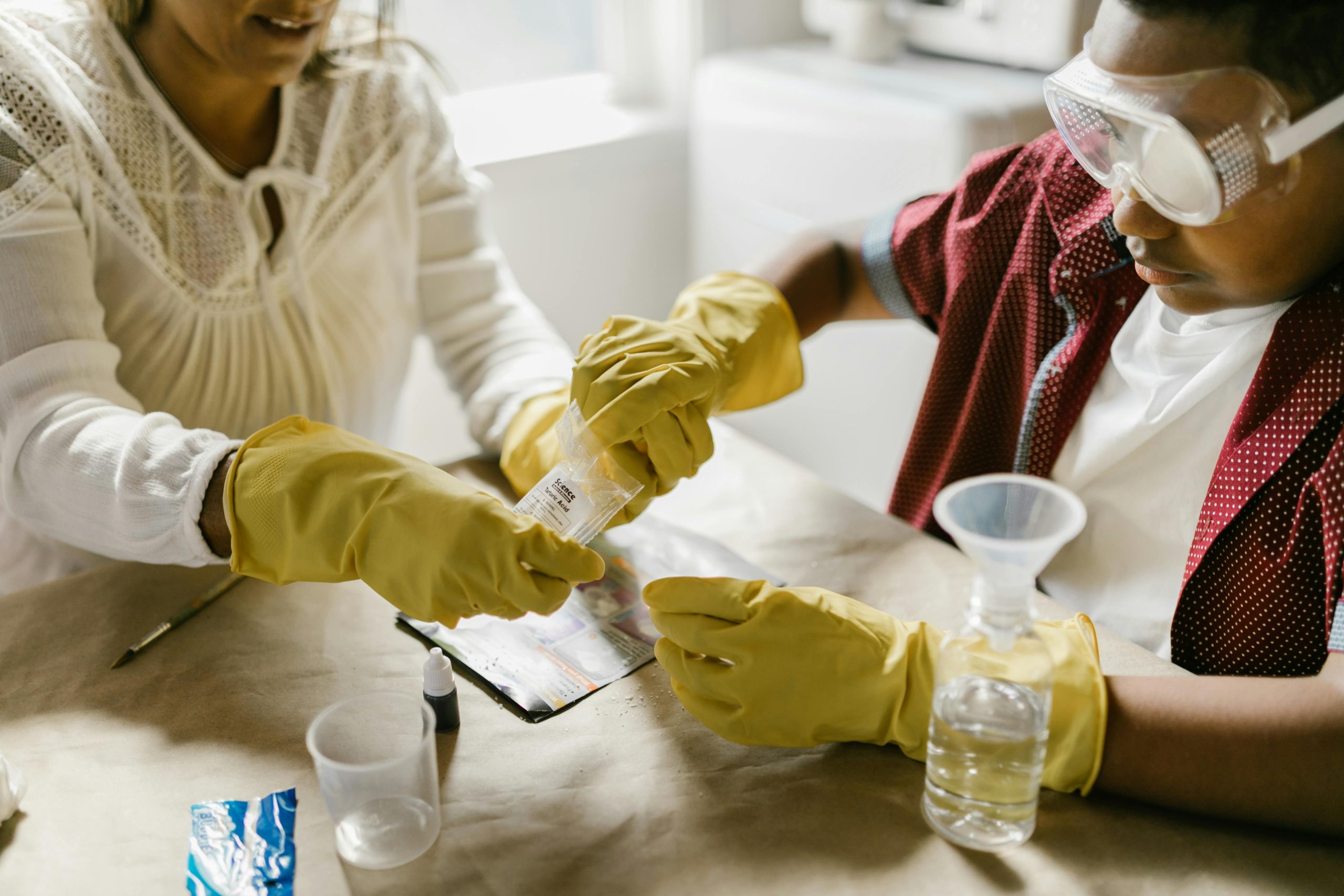
- Science skills: Lab work builds research abilities
Quick Answer: Our Top Picks
Here are our top recommendations based on different needs:
- Best Overall: Apologia Human Anatomy and Physiology – Comprehensive, well-structured, excellent for high school
- Best for Middle School: Fascinating Body by Gravitas Publications – Engaging approach for grades 6-8
- Best for Elementary: God’s Design for Life – Age-appropriate introduction to body systems
- Best Secular Option: OpenStax Anatomy and Physiology – Free, college-level, comprehensive
- Best Hands-On: Master Books Human Anatomy Course – Includes dissection components
Types of Body Science Programs
There are many ways to teach this subject. After using all these types over the years, here’s what we’ve learned.
Survey Courses vs. Deep Study
Survey courses cover all body systems at a basic level. They work great for young kids. Deep study programs go much further. They’re best for high school students who want to go into health care.
Structure vs. Function
Some programs focus on what body parts look like. Others focus on how they work. Most good programs cover both. You need to know what the heart looks like AND how it pumps blood.
Dissection vs. Models
Some programs have you cut open animals to learn. Others use plastic models or computer tools. Both work well. Pick what fits your family best. We’ve used both, and our kids learned a lot either way.
Best Human Body Curricula Reviewed
1. Apologia Human Body Course – Best Overall
This is Apologia’s Advanced Biology course. It’s made for high school students. We used it with our oldest, and it worked great. It gets students ready for college biology.
The course covers all body systems well. Students don’t just learn what the heart looks like. They also learn how it pumps blood and why it speeds up when you run.
The labs are hands-on. Students look at tissue samples under a microscope. They also do dissections. This builds real science skills that matter for health careers.
Pros:
- Comprehensive coverage of all body systems
- College-preparatory rigor
- Integrated lab program with real specimens
- Strong support community
- Video instruction available through Apologia Online Academy
Cons:
- Christian worldview integrated throughout
- Requires completion of basic biology first
- Lab materials purchased separately
- Demanding workload may overwhelm some students
Best For: High school students planning healthcare or biology careers, Christian homeschool families wanting rigorous anatomy course.
Price: Textbook approximately $85; lab materials $100-200 depending on dissection components.
2. Fascinating Body – Best for Middle School
This program is great for grades 6-8. It takes the subject seriously but keeps it fun. Kids stay engaged with hands-on projects.
It covers all the main body systems. Students build models and do experiments. They use safe items you have at home. It’s a solid base for high school biology later.
The program uses a classical approach. It links body systems to history and other subjects. Many families love how it ties everything together.
Pros:
- Age-appropriate depth for middle school
- Engaging activities maintain interest
- Classical education approach integrates well with other subjects
- Safe, accessible hands-on components
- Strong preparation for high school biology
Cons:
- Not sufficient for high school credit
- Christian perspective integrated
- Smaller community than major publishers
Best For: Middle schoolers ready for serious anatomy study, families using classical education approach, students needing foundation before high school.
Price: Complete curriculum approximately $60-80.
3. God’s Design for Life – Best for Elementary
This is perfect for young kids ages 6-10. It’s simple and fun. The pictures are colorful. The lessons are short. Kids love the hands-on parts.
Students learn about hearts, lungs, bones, and more. They build lung models from balloons. They make bone shapes from pasta. They check their own pulse. It’s learning by doing!
This program comes from a Christian view. It’s great for faith-based families who want science tied to their beliefs.
Pros:
- Age-appropriate for elementary students
- Engaging activities for young learners
- Colorful, appealing materials
- Builds foundation for future science study
- Christian worldview integrated naturally
Cons:
- Not suitable for middle school or high school credit
- Strong religious content not suitable for secular families
- Limited depth compared to upper-level programs
Best For: Elementary students ages 6-10, Christian families wanting faith-integrated science, introduction to human body concepts.
Price: Complete set approximately $45-75.
4. OpenStax – Best Free Secular Option
OpenStax is free and very thorough. It’s made for college, but smart high schoolers can use it. It covers everything you’d pay hundreds for in other books.
It’s all digital with quizzes and great pictures. You’ll need to add your own labs. Many families pair it with edX courses or buy lab kits.
Since it’s free, you can spend the savings on lab gear. It’s secular, so there’s no religious content. Great for families who want just the science.
Pros:
- Completely free
- College-level rigor and comprehensiveness
- Secular, evidence-based content
- Interactive digital features
- Regularly updated with current research
Cons:
- College-level difficulty may overwhelm some students
- Requires supplemental lab program
- No integrated support system
- Parent guidance needed for pacing and assessment
Best For: Budget-conscious families, secular homeschoolers, advanced students seeking college-level preparation.
Price: Free digital; print copies available at low cost.
5. Master Books Human Body Course – Best Hands-On
This program is all about doing. Students don’t just read. They cut open real specimens and see how things work. It’s great for kids who learn by touching.
The course moves step by step through each body system. Reading comes with real lab work. Students see structures with their own eyes, not just in pictures.
It has a Christian viewpoint. The science is solid. It’s perfect for students thinking about health care jobs.
Pros:
- Genuine dissection experience
- Hands-on approach reinforces learning
- Practical preparation for healthcare careers
- Well-structured daily lessons
- Complete teacher support materials
Cons:
- Dissection may not suit all families
- Christian worldview throughout
- Additional specimen costs
- Requires dedicated workspace for lab work
Best For: Students interested in healthcare careers, families comfortable with dissection, hands-on learners who need tactile experience.
Price: Curriculum approximately $80; lab specimens additional $50-150.
Human Body Curriculum Comparison Table
| Curriculum | Grade Level | Approach | Lab Component | Worldview | Price Range |
|---|---|---|---|---|---|
| Apologia A&P | 10-12 | Rigorous/College Prep | Dissection + Microscopy | Christian | $85-285 |
| Fascinating Body | 6-8 | Classical/Engaging | Models/Activities | Christian | $60-80 |
| God’s Design | K-5 | Survey/Introduction | Simple Activities | Christian | $45-75 |
| OpenStax A&P | 11-12+ | College Level | Requires Supplement | Secular | Free |
| Master Books | 9-12 | Hands-On/Practical | Dissection Focus | Christian | $80-230 |
Extra Resources to Add
No matter which program you pick, adding extras helps. In our five years of homeschooling, we’ve found that mixing resources keeps kids more engaged. The National Center for Education Statistics shows that hands-on learning boosts retention. See our best biology curriculum guide for more ideas.
Virtual Dissection Tools
Don’t want to cut open real specimens? No problem! Virtual tools work great. The National Institutes of Health has free resources:
- Visible Body apps offer detailed 3D anatomical models
- BioDigital Human provides free web-based anatomy visualization
- Virtual dissection programs from biological suppliers supplement or replace physical specimens
Models You Can Touch
Good models help students see what’s inside the body:
- Torso models that show where organs sit
- Skeleton models (full size or small)
- Single organ models like hearts or brains
- Cut-away models that show the inside
Free Online Resources
These free tools make any program better:
- Khan Academy’s health and medicine section covers anatomy topics
- Inner Body provides interactive anatomy tutorials
- Anatomy Zone YouTube channel offers detailed explanations
- GetBodySmart provides interactive quizzes and tutorials
Common Challenges and How to Solve Them
In our years of teaching this subject, we’ve hit some bumps. Here’s how to handle them:
- Too much to remember: Focus on one system at a time. Use flashcards and diagrams.
- Hard vocabulary: Break big words into parts. “Cardio” means heart. “Vascular” means blood vessels.
- Squeamish about dissection: Start with virtual tools. Work up to real specimens slowly.
- Boring textbooks: Add videos and hands-on labs to make it stick.
Frequently Asked Questions
What age should students start?
Young kids can learn the basics. Middle schoolers can go deeper. High school is the time for serious study. Pick a program that fits your child’s age and skills.
Do we have to do dissection?
No! Dissection helps but isn’t required. Models and computer tools teach the same things. If your child wants to be a doctor or nurse, real dissection is worth trying.
Does this count as high school credit?
Yes, if you pick the right program. Apologia and OpenStax count as lab science. Keep good records of the lab work. Middle school programs don’t count as high school credit.
Christian or secular – which is better?
Both teach the same facts about the body. Christian programs add a faith view. Secular programs stick to just science. Pick what fits your family’s beliefs.
What should students know first?
For high school programs, basic biology helps. Students should know about cells and tissues. Middle school programs don’t need as much background.
Which One Should You Pick?
Here’s a quick guide:
Pick Apologia if: You have a high schooler who wants college prep. It’s Christian and has great labs.
Pick Fascinating Body if: Your middle schooler needs something serious but fun.
Pick God’s Design if: You have young kids and want a faith-based start.
Pick OpenStax if: You want free, secular, college-level content.
Pick Master Books if: Your child learns best by doing hands-on work.
Learning about the body helps kids stay healthy. They learn why exercise matters and how food affects them. For more options, see our hands-on science curriculum guide.
Final Summary
Here’s our final ranking based on our testing:
- Apologia – Score: 9/10 for high school prep
- Fascinating Body – Score: 8/10 for middle school
- God’s Design – Score: 8/10 for elementary
- OpenStax – Score: 9/10 for free secular option
- Master Books – Score: 8/10 for hands-on learning
The right program makes this subject come alive. In my opinion, it’s one of the most useful subjects you can teach. Whether your child becomes a doctor or just a healthy adult, this knowledge lasts a lifetime. For more reviews, visit Cathy Duffy Reviews for detailed curriculum analysis.




Leave a Reply