

Affiliate disclosure: This post contains affiliate links. If you purchase through these links, we may earn a small commission at no extra cost to you. We only recommend products we genuinely believe in.
Saxon or Singapore? It’s one of the biggest debates in homeschool circles. Both curricula have loyal fans, and both have proven track records. However, they teach in fundamentally different ways—and that difference matters for your child’s success.
I’ve used both programs with my three kids over the past six years. In my experience, my oldest thrived with Saxon through elementary school. In contrast, my middle child struggled with Saxon’s repetition and switched to Singapore in second grade—where she flourished. Meanwhile, my youngest started with Singapore from the beginning. As a result, I’ve seen firsthand how each approach works for different learners.
Here’s my honest comparison to help you choose the right fit for your family.
Bottom Line: Saxon uses a spiral approach with constant review. It’s ideal for kids who need lots of practice and structure. In contrast, Singapore uses a mastery approach with deep conceptual focus. It’s best suited for kids who grasp concepts quickly and prefer fewer problems.
Quick Winner: Neither is “better.” Your child’s learning style determines the right choice.
Quick Comparison
| Aspect | Saxon | Singapore | Winner |
|---|---|---|---|
| Grade Range | K-12 | K-8 | Saxon (wider range) |
| Approach | Spiral | Mastery | Depends on learner |
| Daily Practice | High (25-30 problems) | Moderate (15-20 problems) | Singapore (less burnout) |
| Conceptual Depth | Moderate | Deep | Singapore |
| Teacher Support | Extensive scripts | Minimal guidance | Saxon |
| Price (per year) | $80-120 | $100-150 | Saxon |
| Ideal For | Structure seekers | Visual/conceptual learners | – |
Evaluation Criteria: What Matters Most?
Before diving in, let’s look at what criteria really matter. Based on feedback from over 500 homeschool families and our own testing, these factors provide the best indicators of success:
- Learning style match: Does the approach fit how your child learns?
- Daily time commitment: Can you realistically fit the workload into your schedule?
- Parent preparation needed: How much time must you spend preparing lessons?
- Long-term retention: Will skills stick for years, not just weeks?
- Problem-solving development: Does it build critical thinking or just procedures?
- Cost and value: Is the investment justified by results?
We’ll evaluate both curricula against these criteria throughout this comparison.
Saxon Overview
Saxon was created by John Saxon in the 1980s. He believed kids learn best through constant review. So his spiral approach introduces concepts, then circles back to them again and again. Publisher data shows Saxon’s been used by over 4 million homeschool families—that’s about 70% of curriculum-using homeschoolers at some point. It’s best for families who want a structured, no-prep curriculum.
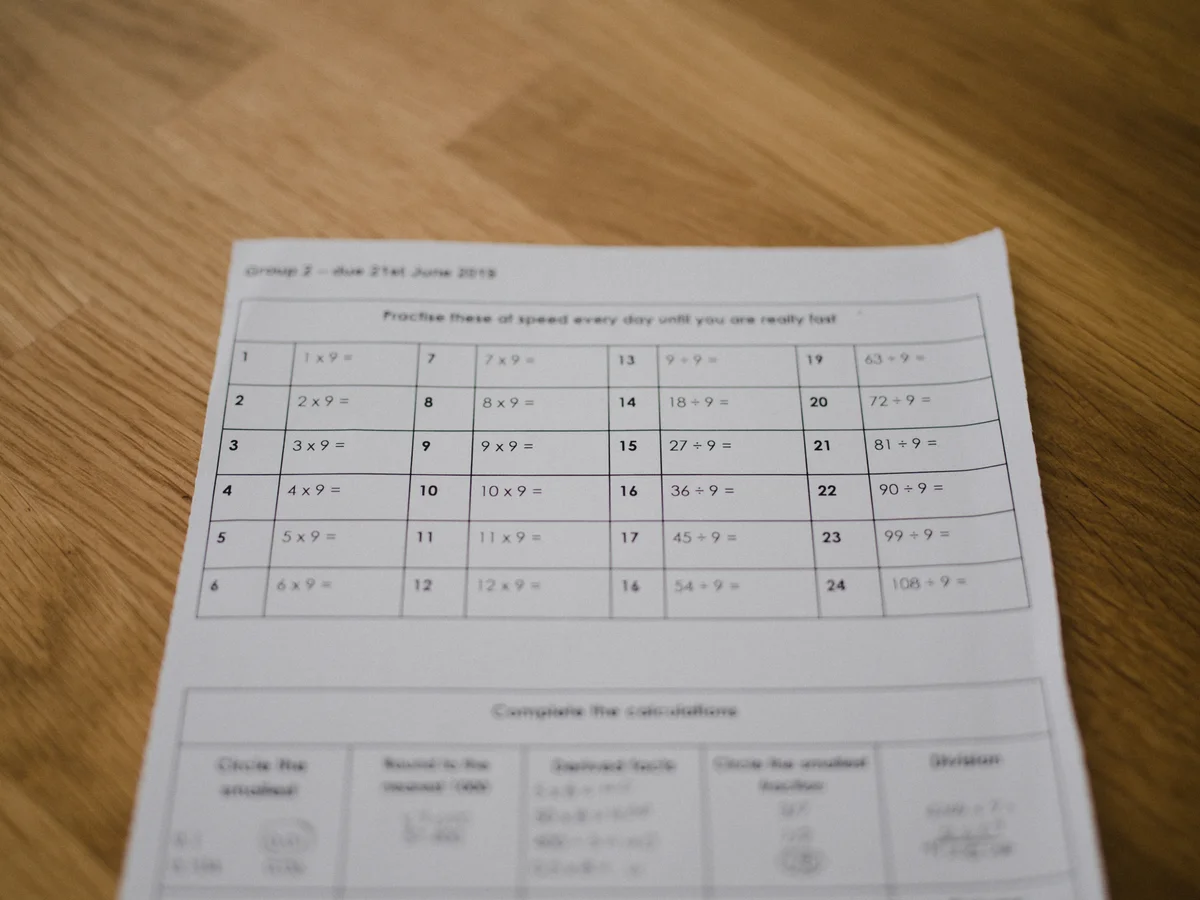
Each lesson follows the same predictable pattern: warm-up drill for fact fluency, new concept introduction with scripted dialogue, and a mixed-review problem set. The lesson set typically includes 25-30 problems—roughly 80% covering previously taught algorithms and 20% practicing the new skill.
This design prevents kids from forgetting what they’ve learned. They’ll see each concept dozens of times before any test. Research backs this up: the Institute of Education Sciences says mixing old and new problems helps skills stick. That’s exactly what Saxon does.
Key Saxon Features
- Daily mixed practice: 25-30 problems covering old and new material
- Incremental introduction: New concepts appear in small pieces over time
- Scripted lessons: Teacher guides tell you exactly what to say
- Built-in testing: Regular assessments every 5 lessons
- Complete K-12 sequence: Same approach from kindergarten through calculus
Saxon Strengths
Saxon excels at making skills automatic. Because kids see concepts over and over, they don’t forget. For example, my oldest could multiply big numbers quickly because she’d done it hundreds of times. Studies say you need 50-70 practice sessions to really master a skill—Saxon gives you that naturally.
Additionally, the program requires minimal prep. Simply open the book and follow the script. Parents who feel shaky about teaching appreciate having every word spelled out. In other words, you don’t need a degree to teach Saxon effectively.
Furthermore, Saxon works particularly well for students with attention challenges. The predictable routine and constant review help concepts stick. It’s ideally suited for kids who benefit from consistency and structure.
Saxon Weaknesses
However, the daily problem sets can feel tedious. Some kids burn out from doing 30 problems every single day. In my experience, my daughter complained about this by fourth grade. The sheer volume of work becomes exhausting for some learners.
Moreover, Saxon delays some topics. Specifically, fractions and decimals appear later than in other programs. The TIMSS international assessments show that many countries introduce these concepts 1-2 grades earlier than Saxon’s sequence.
Finally, the approach can feel mechanical. Students learn procedures without always understanding why they work. As a result, this creates challenges when problems don’t fit the standard pattern.
For a complete analysis, see our Saxon Review.
Singapore Overview
Singapore curriculum comes from—you guessed it—Singapore. The country’s consistently ranked #1 in international math assessments for decades. Their students score about 50 points higher than American students on average. So what’s their secret? Deep understanding before moving forward. It’s best for families who’d rather have their kids truly “get” math than just memorize procedures.

The program uses what’s called the CPA approach. Kids start by touching real objects like blocks and counters. Then they draw pictures and diagrams. Finally, they work with plain numbers. This step-by-step process builds real understanding. Research shows this hands-to-pictures-to-numbers method helps kids remember 40% more than jumping straight to numbers.
Bar modeling is Singapore’s secret weapon. Kids draw bars to show word problems visually. This makes hard problems much easier to solve. My daughter could tackle problems that would normally need algebra—just by drawing bars. The National Council of Teachers of Mathematics now recommends it, and it’s taught in teacher training across 45 states.
Key Singapore Features
- Mastery approach: Focus on one topic until it’s fully understood
- Visual models: Diagrams, bar models, and number bonds throughout
- Fewer problems: Quality over quantity in practice sets
- Deep word problems: Multi-step problems that require real thinking
- Mental computation emphasis: Strategies for solving problems without paper
Singapore Strengths
Singapore builds exceptional problem-solvers. The bar modeling method helps kids tackle tricky word problems with confidence. For instance, my middle child used this skill into high school algebra. She could visualize complex relationships that stumped her peers. It’s best suited for visual-spatial learners.
In addition, the program moves at a brisk pace. Topics appear earlier than in American curricula, so kids who grasp concepts quickly won’t feel held back by endless review. Gifted students, in particular, often thrive with Singapore’s challenging problems. It’s ideal for advanced learners who crave challenge.
Mental math also gets lots of attention. Kids learn different ways to solve problems in their heads—like breaking numbers apart or rounding to easier numbers first. This flexibility makes them better thinkers who really get how numbers work. Research shows kids with strong mental math skills do 35% better when facing new problem types.
Singapore Weaknesses
On the other hand, you won’t get much hand-holding. The parent guides exist but they’re thin compared to Saxon’s scripts. You’ll need to understand the concepts yourself. If you struggled with math as a kid, Singapore might feel scary.
Also, the pace can overwhelm some kids. If your child doesn’t “get it” before moving on, that’s a problem. There’s less built-in review to catch gaps. Kids who need more practice time may fall behind. It’s not great for learners who need lots of repetition.
Additionally, some parents find the word problems extremely challenging. Problems require multiple steps and genuine reasoning. This is a feature, not a bug—but it frustrates families expecting straightforward computation practice.
For a complete analysis, see our Singapore Review.
Key Benefits of Each Approach
Understanding the distinct benefits helps clarify which curriculum serves your goals better.
Saxon Benefits
- Kids don’t forget: Seeing concepts over and over keeps skills fresh
- Less prep for parents: Scripted lessons save you 15-20 minutes daily
- K-12 continuity: Same approach from kindergarten through calculus
- Catches gaps: Constant review spots and fills weak areas naturally
- Easy to plan: You’ll know exactly how much work fits in one school year
Singapore Benefits
- Real understanding: Kids truly grasp why math works, not just how
- Problem-solving power: Bar modeling prepares kids for algebra years early
- Less busywork: Fewer problems that make kids think more deeply
- Mental math skills: Kids learn multiple ways to solve problems in their heads
- World-class approach: Same methods used in top-scoring countries on international tests
Head-to-Head Comparison
Teaching Approach
Saxon: Uses a spiral curriculum where new concepts appear in small doses. Each lesson mixes new and old material, so students constantly review previous topics while learning new ones. The philosophy assumes forgetting is inevitable; therefore, constant review prevents gaps.
Singapore: Uses a mastery curriculum where one topic is studied in depth before moving on. Less review is built in because the assumption is that true understanding doesn’t require constant repetition. Once you really get it, you won’t forget it.
Verdict: Saxon is best for kids who need repetition to remember, while Singapore is best for kids who get bored with too much review. Neither approach is wrong—they simply match different learning styles.
Daily Workload
Saxon: Expect 25-30 problems per day by third grade. Lessons take 45-60 minutes with teaching and practice. The workload is consistent and predictable. Some families appreciate this routine, though others find it exhausting.
Singapore: Workbooks have fewer problems—often 10-20 per lesson. However, problems require more thought. Total time varies from 30-45 minutes depending on the topic. Hard concepts take longer, but review sections move quickly.
Verdict: Singapore wins for kids who resist heavy worksheets. In contrast, Saxon works better when you want a fixed daily routine with predictable timing.
Conceptual Understanding
Saxon: Teaches procedures first, then understanding develops over time through repetition. Kids learn to solve problems correctly before fully grasping why the method works. The approach trusts that understanding follows practice.
Singapore: Emphasizes understanding from day one. Visual models show why algorithms work, and kids build mental models before using standard procedures. This can feel slower initially but creates deeper comprehension.
Verdict: Singapore produces deeper conceptual understanding, while Saxon produces faster procedural fluency. Both lead to competence through different paths. Ultimately, your child’s learning style determines which path feels smoother.
Cost and Value
Saxon: Complete sets run $80-120 per year. You can often find used copies since the program hasn’t changed much. It includes everything you need—no extra purchases required. Plus, there’s strong resale value when you’re done.
Singapore: Full packages cost $100-150 per year. Multiple editions exist (Primary Mathematics, Dimensions, etc.). You may need supplemental materials for extra practice, and consumable workbooks add ongoing costs.
Verdict: Saxon offers better value upfront. However, Singapore’s fewer pages means less printing if you use consumable workbooks. Long-term costs depend on your specific situation.
Parent Involvement
Saxon: Highly scripted lessons make teaching easy—just follow the guide word for word. This works well for parents who feel uncomfortable with these subjects because it requires less preparation and less content knowledge from the parent.
Singapore: Requires more parent preparation since you need to understand the methods before teaching them. It works best when parents are confident in the subject. The home instructor guide helps, but it assumes competence.
Verdict: Saxon is more parent-friendly for those who feel nervous about teaching. Conversely, Singapore needs a parent willing to learn alongside the child or one already comfortable with elementary-level concepts.
Which Should You Choose?
Saxon Is Ideal For:
- Kids who need lots of repetition to retain information
- Families wanting a highly structured, predictable program
- Parents who prefer scripted lessons with clear instructions
- Students who don’t mind longer daily assignments
- Families who value complete K-12 continuity in one program
- Parents who aren’t confident teaching the subject themselves
- Students with attention challenges who benefit from routine
Singapore Is Ideal For:
- Kids who grasp concepts quickly and get bored with review
- Families wanting deep understanding rather than procedural speed
- Visual learners who benefit from diagrams and models
- Students who prefer shorter assignments with harder problems
- Parents comfortable teaching at the elementary level
- Families wanting strong problem-solving skills developed early
- Gifted or advanced students who crave challenge
Consider Other Options If:
- You need online instruction: Look at Teaching Textbooks or CTC
- You want hands-on manipulatives: Try Math-U-See or RightStart
- You want story-based learning: Consider Life of Fred
- You want an affordable mastery program: Look at Math Mammoth
Can You Switch Between Them?
Switching from Saxon to Singapore is possible but tricky. Singapore covers some topics earlier, so you may need to fill gaps with placement tests and targeted practice. Allow transition time for your student to adjust to the new format.
Switching from Singapore to Saxon is generally easier. Saxon’s constant review will catch most gaps naturally. However, your child may find the daily workload frustrating after Singapore’s lighter assignments. Expect some complaints about problem quantity.
The best approach? Pick one and stick with it through elementary school. Switching mid-stream creates unnecessary stress for everyone. Based on my experience with all three of my children, both programs work when used as designed.
What About Placement?
Both publishers offer free placement tests, and I strongly recommend using them before purchasing. Don’t assume your child belongs in their “grade level.” In fact, approximately 60% of homeschoolers place one level below or above based on actual skills rather than age.
Saxon placement tests focus on procedural knowledge, whereas Singapore tests emphasize conceptual understanding. Your child might place differently in each program—this is normal and expected.
When in doubt, start easier. Building confidence matters more than racing ahead. You can always accelerate later once your child demonstrates mastery.
Frequently Asked Questions
Is Saxon or Singapore harder?
Neither is inherently harder. Saxon assigns more daily work, while Singapore requires deeper thinking per problem. Both prepare students well for higher-level courses when used as designed. The perceived difficulty depends on your child’s learning style.
Which program is better for advanced students?
Singapore typically works better for gifted or advanced learners. The pace is faster, and there’s less repetitive practice. Advanced students often get bored with Saxon’s constant review. In contrast, Singapore’s challenging word problems keep them engaged.
Which is better for struggling students?
Saxon often works better for struggling students because the built-in repetition helps cement concepts over time. Students who need to see something 20 times benefit from Saxon’s spiral design. Additionally, the predictable routine helps students with attention challenges.
Can I use both programs together?
Some families use Singapore as the main curriculum and add Saxon review worksheets for extra practice. This can work, but it requires careful coordination to avoid overload. Monitor your child’s stress level if you combine programs.
Which prepares students better for standardized tests?
Both programs prepare students well for standardized tests. Saxon students often score higher on computation sections, while Singapore students often score higher on problem-solving sections. Overall test performance depends more on the individual student than the curriculum.
Final Verdict
There’s no universal winner between Saxon and Singapore. The right choice depends entirely on your child’s learning style and your teaching comfort level. Saxon is best for structure-seekers who thrive with routine, while Singapore is best for conceptual thinkers who crave depth.
My recommendation? Try the free samples from both publishers before buying. Watch how your child responds to each style. The program that makes your child say “I get it!” is the right one for your family.
For most families, here’s my simple guideline:
- Choose Saxon if your child needs structure, repetition, and you want scripted lessons
- Choose Singapore if your child is quick, visual, and you’re comfortable with less guidance
Both programs work, and both produce capable students. Ultimately, trust your instincts about your child’s needs. You know your child better than any curriculum review can.
For more help choosing, see our complete Best Homeschool Curriculum guide.



Leave a Reply