
Finding the right curriculum for your kindergartener sets the foundation for years of learning. Indeed, I’ve taught three children through this age. At five and six, learning should feel like play—not worksheets and drills. Therefore, the best programs for this age use touching, building, and exploring.
But with dozens of options, how do you choose? In my experience, some families need hands-on blocks. Meanwhile, others want gentle, short lessons. Some kids are ready to race ahead. On the other hand, others need patient, slow practice. Ultimately, the “best” program is the one that fits your specific child.
Disclosure: This post contains affiliate links. If you purchase through our links, we may earn a small commission at no extra cost to you. We only recommend products we’ve personally used or thoroughly researched.
Quick Answer: For most kindergarteners, we recommend Math-U-See Primer for hands-on learners. Singapore Kindergarten works well for kids ready for deeper thinking. Horizons K is great for families wanting colorful workbooks. All three build strong number sense while keeping lessons fun.
What Kindergarteners Need to Learn
First, before choosing a curriculum, understand what your child should master this year. According to the National Council of Teachers of Mathematics (NCTM), don’t worry about being “ahead.” In fact, solid foundations matter more than speed. Similarly, the U.S. Department of Education emphasizes playful, developmentally appropriate learning for this age.
Essential Skills for This Age
- Counting: Count to 100 by ones and tens. Count objects to 20.
- Number Recognition: Identify and write numbers 0-20.
- One-to-One: Match numbers to real objects.
- Comparison: Understand more than, less than, equal to.
- Simple Operations: Add and subtract within 10 using objects.
- Shapes: Identify basic 2D and 3D shapes.
- Patterns: Copy and extend simple patterns.
- Measurement: Compare lengths, weights, and sizes.
- Position Words: Understand above, below, beside, between.
Any quality program covers these skills. However, the difference lies in how they teach. That’s where your child’s learning style matters most.
Our Top Curriculum Picks for Kindergarten
| Program | Approach | Best For | Price |
|---|---|---|---|
| Math-U-See Primer | Mastery + Blocks | Hands-on learners | $$ |
| Singapore K | Mastery + Thinking | Future number lovers | $ |
| Horizons K | Spiral + Workbooks | Visual learners | $$ |
| Saxon K | Spiral + Scripted | Structure seekers | $$ |
| RightStart A | Mastery + Games | Game lovers | $$$ |
| Math Mammoth K | Mastery + Worktext | Independent workers | $ |
1. Math-U-See Primer — Best Overall for Kindergarten
Math-U-See is our top pick for good reason. I used it with my youngest for two years. The Primer level introduces numbers 0-9 using colorful blocks. Kids build and take them apart. This hands-on approach helps young minds truly grasp quantity—not just memorize symbols.
What Makes It Stand Out
The video lessons feature Steve Demme teaching directly to your child. Each segment is short and fun. First, you watch. Then your child watches. Finally, you work together. As a result, this cuts parent prep time while helping you understand each concept.
Furthermore, the blocks are the heart of the program. Children build numbers. They combine them for addition. Additionally, they split them for subtraction. For instance, my daughter could see that 3 + 4 = 7 because she put blocks together. Consequently, this tactile experience creates lasting understanding.
Potential Drawbacks
However, some kids find the pace slow—especially if they’ve already mastered counting. The focus on thorough mastery means more time on each concept. Also, the initial kit isn’t cheap compared to workbook-only programs.
Best For
Children who learn by doing. Families wanting video support. Parents who aren’t confident teaching numbers. Also great for kids who struggled with other programs or need multi-sensory learning.
2. Singapore Kindergarten — Best for Building Thinkers
Singapore is famous for deep understanding. I’ve seen kids thrive with this approach. The kindergarten level (Essential Kindergarten A and B) starts conceptual thinking right away.
What Makes It Stand Out
Singapore’s three-step progression matches how young kids naturally learn. First, they use physical objects. Next, they look at pictures. Finally, they work with numbers alone. As a result, this builds real number sense instead of rote memory.
Moreover, the curriculum stresses mental strategies from the start. Kids learn to visualize numbers. In addition, they think flexibly about problems. For example, my son stopped counting on fingers within weeks. Ultimately, this foundation pays off in later grades.
Potential Drawbacks
However, Singapore needs more parent involvement. You’ll need to understand the approach. You guide lessons actively. Also, the workbooks are plain. Visual learners may find them boring compared to colorful options like Horizons.
Best For
Families who value long-term thinking over quick wins. Kids who ask “why?” will thrive here. Also great for families planning to continue with Singapore through elementary school.
3. Horizons K — Best for Visual Learners
Horizons catches attention with bright, colorful workbooks. My middle child loved the pictures and colors. For kindergarteners who enjoy coloring, this appeal turns into real excitement for number time.
What Makes It Stand Out
The spiral approach means concepts repeat all year. For instance, didn’t grasp something in September? It comes back in October, November, and beyond. Therefore, this built-in review prevents gaps. As a result, you don’t need extra planning.
In addition, lessons stay short—just 10-15 minutes. Each page covers several skills. Consequently, this variety keeps things fresh. Thus, kids don’t get bored drilling one concept.
Potential Drawbacks
However, some children find the pages too busy. The spiral approach can frustrate kids who want to master one thing before moving on. Also, the Christian worldview woven throughout may not suit all families.
Best For
Visual learners who love colorful materials. Children who need frequent review. Families wanting more independent work. Christian families will appreciate the integrated worldview.
4. Saxon K — Best for Structured Routine
Saxon offers the most structured kindergarten experience. Every lesson follows the same format: calendar time, counting, new concept, practice, review. Children who thrive on routine love knowing what comes next.
What Makes It Stand Out
The scripted manual tells you exactly what to say. Consequently, no guessing needed. For first-time homeschool parents, this provides real confidence. Simply put, you read the script. Then learning happens.
Furthermore, Saxon’s incremental approach introduces concepts in small bites. Rather than one intense unit on addition, the concept appears bit by bit over many weeks. As a result, this gentle pacing suits young learners who overwhelm easily.
Potential Drawbacks
However, some families find the pace too slow. Quick learners may complain about reviewing skills they’ve mastered. The materials feel dated compared to newer programs. Also, lessons require significant parent time.
Best For
Families wanting clear structure and scripted lessons. Children who thrive on predictable routine. Parents who feel uncertain about teaching numbers without explicit guidance.
5. RightStart Level A — Best for Game-Based Learning
RightStart takes a unique approach: games are the curriculum, not supplements. Children learn through playing strategic games. They build number sense and problem-solving—often without realizing they’re doing “school.”
What Makes It Stand Out
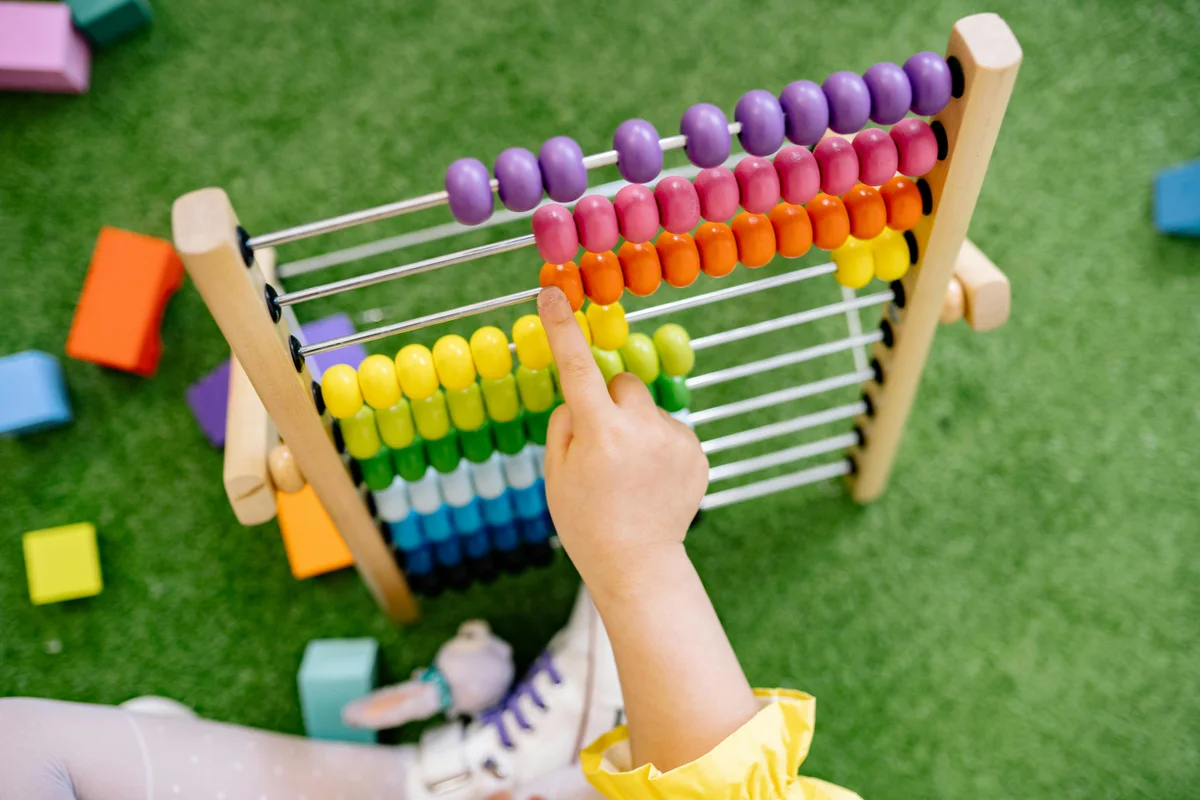
The AL Abacus sits at the heart of the program. Specifically, this special abacus helps children see quantities. Therefore, they calculate mentally rather than counting fingers. For example, my friend’s son could add double digits in his head by December.
Moreover, games aren’t rewards for finishing worksheets—they ARE the lesson. Card games, board games, and strategy games build thinking through play. In fact, most kindergarteners don’t even know they’re learning.
Potential Drawbacks
However, RightStart requires significant daily parent time. You’re actively playing games, not supervising independent work. The initial cost is substantial. Also, some children (and parents) prefer traditional workbook approaches.
Best For
Families willing to invest time in interactive learning. Children who resist traditional worksheets. Parents who enjoy games themselves. Excellent for building genuine thinking over rote memory.
6. Mammoth Kindergarten — Best Budget Option
Mammoth offers a straightforward, affordable worktext approach. The Blue Series covers kindergarten skills in a no-frills format. It teaches concepts clearly without extra fluff.
What Makes It Stand Out
The digital PDF format means you print only what you need. Additionally, you can reprint pages for extra practice. As a result, this makes Mammoth one of the most affordable quality options. Furthermore, the clear explanations reduce parent teaching load.
Unlike many kindergarten programs, Mammoth can work for independent young learners. In other words, the pages explain concepts well enough that some children work through them with minimal help.
Potential Drawbacks
However, the black-and-white pages lack visual appeal. Some kindergarteners need more hands-on activities than workpages alone provide. Also, parents must print materials themselves.
Best For
Budget-conscious families. Children who work well independently. Families wanting minimal prep time. Also works well as a supplement to more hands-on programs.
How to Choose the Right Program
Consider Your Child’s Learning Style
- Kinesthetic learners: Math-U-See, RightStart (blocks and movement)
- Visual learners: Horizons, Singapore (pictorial approach)
- Auditory learners: Saxon with scripted lessons, Math-U-See videos
Consider Your Teaching Style
- Want to be hands-off? Mammoth, Horizons (more independent)
- Enjoy interactive learning? RightStart (game-based), Math-U-See (building together)
- Need scripted guidance? Saxon (detailed scripts), Math-U-See (video instruction)
Consider Your Budget
- Under $50: Mammoth (PDF), Singapore (workbooks only)
- $50-$150: Horizons, Saxon
- $150+: Math-U-See (with blocks), RightStart (full kit)
Supplementing Your Core Program
Even the best program benefits from occasional variety. Therefore, here are worthwhile additions for kindergarten:
Free Resources
- Khan Academy Kids: Free app with excellent early number games
- SplashLearn: Free basic tier with engaging practice games
- Starfall: Free online games for early number skills
Manipulatives Worth Having
- Counting bears: Sorting, counting, early addition
- Base-ten blocks: Understanding place value
- Number balance: Visualizing equations
- Pattern blocks: Geometry and spatial reasoning
Games That Build Number Skills
- Hi Ho! Cherry-O: One-to-one matching and counting
- Sum Swamp: Addition and subtraction practice
- Sequence Numbers: Number recognition and strategy
Frequently Asked Questions
How long should kindergarten lessons take?
Most kindergarteners do best with 15-20 minutes of focused instruction daily. Some programs suggest longer sessions, but that’s rarely realistic for five-year-olds. Attention spans at this age simply aren’t built for extended sitting. It’s better to have short, positive experiences than long, frustrating ones. You can always add games or counting activities throughout the day.
Should I teach numbers to my kindergartener at all?
Kindergarten instruction isn’t required in most states. However, early number sense significantly impacts later success. You don’t need a formal curriculum—counting, sorting, and measuring during cooking all build skills. That said, a structured program ensures comprehensive coverage.
What if my kindergartener seems behind?
At age five or six, there’s no such thing as “behind.” Indeed, children develop at different rates. If your child struggles with number recognition while peers count to 100, that’s completely normal. Choose a program that starts where your child is. Progress at their pace. According to HSLDA, homeschooled students consistently outperform their public school peers—so don’t stress about early pacing.
Can I use multiple programs together?
Yes, many families combine approaches. A common pattern: use one structured program as your spine. Then supplement with games or apps for practice. For example, Singapore for core instruction plus RightStart games for reinforcement. Just avoid overwhelming your kindergartener with too much “school.”
What comes after kindergarten?
Most programs offer seamless progression to first grade. Therefore, if you’re happy with your kindergarten choice, simply continue with Level 1 or the next book. Alternatively, if you want to switch, most first-grade programs include review of kindergarten skills at the start.
Our Recommendation
After reviewing dozens of kindergarten programs and using several with my own children, here’s my honest advice. There’s no single “perfect” program—but there’s definitely one that’ll work best for your family:
For most families: Start with Math-U-See Primer. The combination of video instruction, hands-on blocks, and mastery focus gives young learners the strongest foundation. Yes, it costs more initially. But the blocks last through multiple children and grade levels.
For budget-conscious families: Singapore Kindergarten offers exceptional quality at workbook prices. You’ll invest more teaching time. However, the thinking skills it develops are worth it.
For families wanting less parent involvement: Horizons K provides engaging, colorful workbooks that many kindergarteners work through with minimal help. The spiral review ensures concepts stick.
Remember: your kindergartener’s attitude toward numbers is being shaped right now. Choose a program that makes learning feel like an adventure, not a chore. A child who finishes kindergarten believing “numbers are fun” has the greatest advantage of all.


Leave a Reply