
Disclosure: This post may contain affiliate links. If you make a purchase through these links, we may earn a small commission at no extra cost to you.
The phonics vs whole language debate has shaped reading instruction for decades. In my experience teaching three children to read at home, systematic decoding made all the difference. As a homeschool parent, you have the freedom to choose. But which approach actually works? Let’s examine the evidence and help you decide. If you’re just starting out, check out our guide on how to start homeschooling first.
Quick Answer: Phonics vs Whole Language
Research overwhelmingly supports phonics as the most effective way to teach children to read. The National Reading Panel confirms this. Systematic letter-sound instruction produces better outcomes than whole language approaches. However, the best programs often incorporate elements of both methods.
Understanding the Two Approaches
What Is Phonics Instruction?
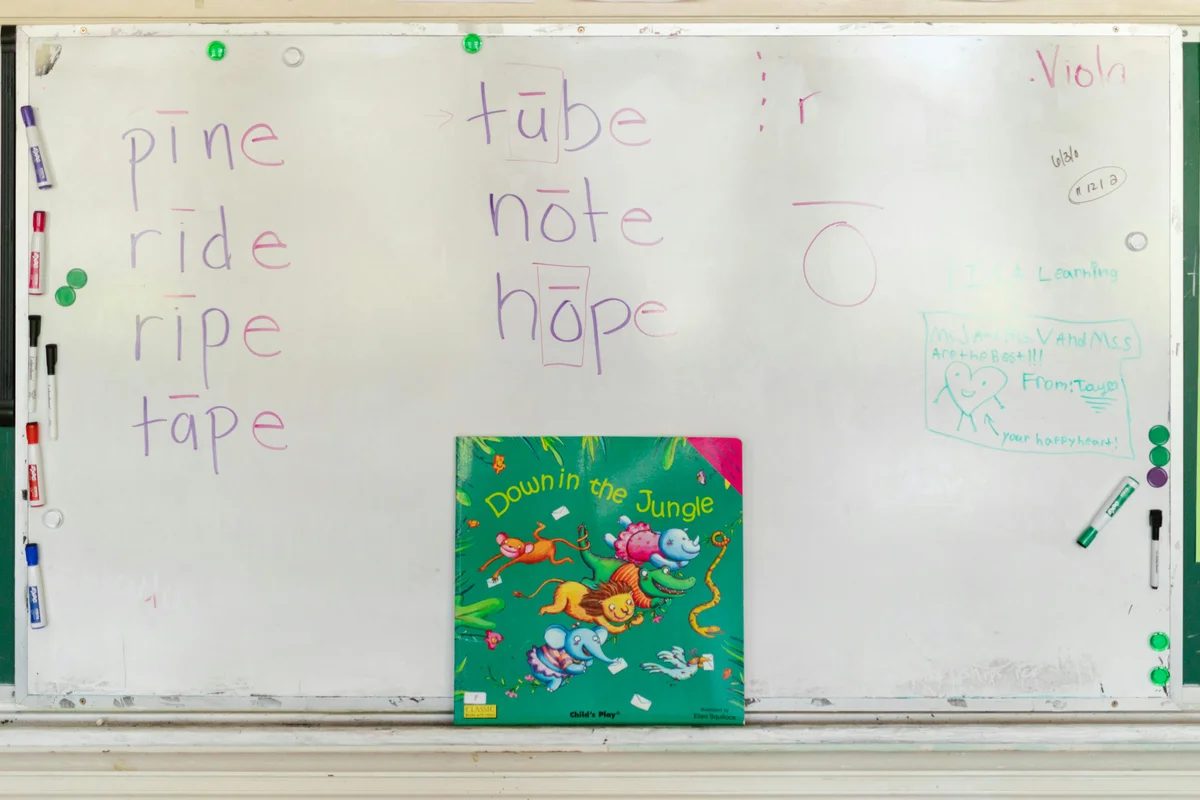
This approach teaches children the relationship between letters and sounds. Students learn to decode words by sounding them out. They build from simple consonant-vowel-consonant words to complex multi-syllable vocabulary.
Key characteristics of this method:
- Systematic progression from simple to complex
- Explicit teaching of letter-sound relationships
- Emphasis on decoding skills
- Decodable readers that match taught sound patterns
- Focus on accuracy before fluency
What Is Whole Language?
Whole language emphasizes meaning and context over decoding. Children learn to recognize words as whole units. They use picture clues, context, and memorization. The approach treats reading as a natural process similar to learning spoken language.
Key characteristics of whole language:
- Immersion in quality literature from the start
- Emphasis on comprehension and meaning
- Use of picture and context clues
- Sight word memorization
- Writing integrated with reading instruction
What the Research Says
The scientific evidence on reading instruction is remarkably clear. Multiple large-scale studies have examined these two approaches:
National Reading Panel (2000)
The landmark National Reading Panel report analyzed over 100,000 studies. It concluded that systematic letter-sound instruction significantly improves children’s reading and spelling abilities. According to the U.S. Department of Education, the panel identified five essential components of effective reading instruction:
- Phonemic awareness – Understanding that words are made of sounds
- Decoding – Learning letter-sound relationships
- Fluency – Reading accurately and with expression
- Vocabulary – Understanding word meanings
- Comprehension – Understanding text meaning
Science of Reading Research
Modern cognitive science has given us the Science of Reading—an evidence-based understanding of how the brain learns to read. Research from HSLDA confirms these key findings:
- Reading is not natural; it must be explicitly taught
- The brain’s “letterbox” region must be trained through decoding instruction
- Skilled readers decode words automatically, not through guessing
- Three-cueing systems (guessing from context) are not effective
The Simple View of Reading
Research supports the Simple View of Reading equation: Reading Comprehension = Decoding × Language Comprehension. Both components are essential, but decoding (taught through letter-sound instruction) is the foundation.
Comparing the Two Methods
| Factor | Phonics | Whole Language |
|---|---|---|
| Research Support | Strong scientific evidence | Limited evidence |
| Teaching Approach | Systematic, explicit | Implicit, natural |
| Primary Focus | Decoding skills | Meaning and context |
| Early Materials | Decodable texts | Quality literature |
| Word Recognition | Sound out words | Memorize/guess words |
| Struggling Readers | Highly effective | Often insufficient |
| Dyslexia Support | Recommended approach | Not recommended |
Why Whole Language Fell Short
The whole language movement gained popularity in the 1980s and 1990s, but declining reading scores led to reevaluation. Problems with whole language include:
The Guessing Game Problem
Whole language teaches children to guess at unknown words using pictures, first letters, and context. Skilled readers do use context for comprehension. However, beginning readers need decoding skills. Teaching children to guess creates bad habits that persist into later grades.
The Matthew Effect
Children who don’t learn efficient decoding fall further behind each year. This is the “rich get richer” phenomenon. Without systematic instruction, struggling readers lack the tools to improve on their own. The achievement gap widens over time.
Limited Sight Word Capacity
English has over a million words. Memorizing words as whole units without understanding their structure is simply not sustainable for developing readers.
The Balanced Literacy Debate
“Balanced literacy” emerged as a compromise. However, implementations vary widely. Some programs include systematic decoding instruction. Others merely add token letter-sound work to a whole language core. The label alone doesn’t guarantee effective instruction.
Questions to ask about any “balanced” program:
- Is decoding instruction systematic and explicit?
- Are decodable readers used during letter-sound instruction?
- Are three-cueing strategies taught for word recognition?
- How much time is devoted to decoding vs. other activities?
What This Means for Homeschoolers
As a homeschool parent, you have advantages that classroom teachers lack. You can:
Choose Evidence-Based Curriculum
Select programs grounded in the Science of Reading. Effective decoding curricula include:
- Explode the Code – Workbook-based systematic approach
- All About Reading – Multi-sensory Orton-Gillingham approach
- Logic of English – Rules-based decoding instruction
- The Reading Lesson – Simple, effective reading program
For comprehensive curriculum guidance, see our best phonics curriculum guide.
Customize for Your Child
While decoding provides the foundation, you can add rich literature on top. Read aloud frequently. Discuss stories and build vocabulary. Just don’t replace this systematic approach with whole language methods.
Respond to Struggles Immediately
Unlike classroom teachers with 25+ students, you can spot and address problems immediately. If your child struggles with specific sound patterns, you can provide targeted practice. This prevents gaps from compounding.
Building a Complete Reading Program
Effective reading instruction combines decoding skills with other essential components:
Phonemic Awareness First
Before decoding instruction, ensure your child can hear and manipulate sounds in words. Activities include:
- Rhyming games
- Identifying beginning sounds
- Blending sounds into words
- Segmenting words into sounds
Systematic Decoding Instruction
Teach letter-sound relationships in a logical sequence:
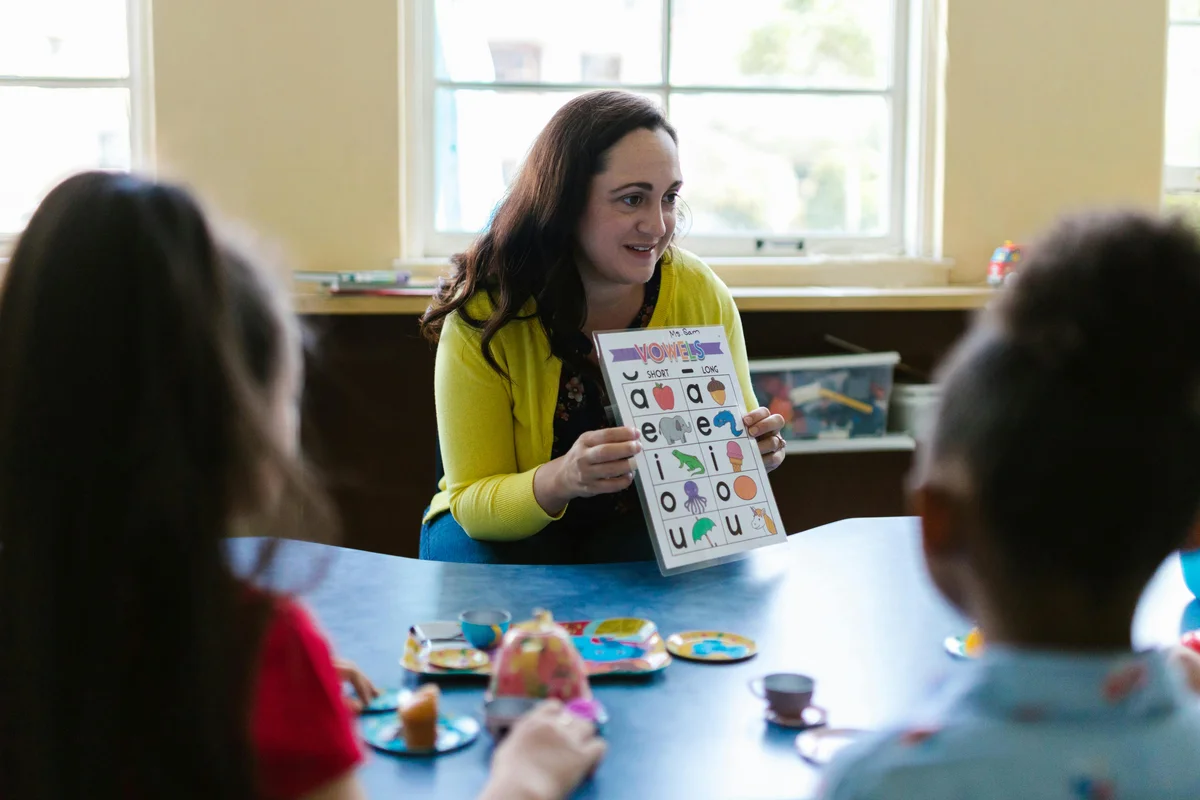
- Single consonants and short vowels
- Consonant blends and digraphs
- Long vowel patterns
- R-controlled vowels
- Advanced patterns and multi-syllable words
Decodable Readers for Practice
Use readers that match your decoding progression. Avoid “leveled readers” that expect guessing from pictures. Children should be able to sound out 90%+ of words using patterns they’ve learned.
Fluency Development
Once decoding is established, build fluency through:
- Repeated reading of familiar texts
- Timed reading exercises
- Reading aloud with expression
Rich Literature for Comprehension
Reading aloud quality literature builds vocabulary and comprehension. But it’s a supplement to decoding, not a replacement. Children can enjoy complex stories read aloud while practicing decoding with appropriate texts.
Signs Your Approach Is Working
How do you know your reading instruction is effective? Look for these markers:
Positive Signs
- Child sounds out unfamiliar words (not guessing)
- Steady progression through sound patterns
- Increasing independence with decodable texts
- Child self-corrects reading errors
- Growing confidence with new words
Warning Signs
- Child looks at pictures before attempting words
- Guessing based on first letter only
- Memorizing books instead of reading them
- Avoidance of unfamiliar texts
- Frustration with new words
What About Children Already Taught Whole Language?
If your child learned whole language strategies elsewhere, systematic decoding instruction can still help. You may need to:
- Assess current letter-sound knowledge to identify gaps
- Explicitly teach that sounding out works better than guessing
- Retrain away from looking at pictures for word clues
- Fill decoding gaps systematically before moving forward
Programs like All About Reading work well for remediation because they’re thorough and multi-sensory.
Frequently Asked Questions
Is this the only way to teach reading?
Phonics should be the primary method for teaching word recognition. However, complete reading instruction also includes other skills. These are phonemic awareness, fluency practice, vocabulary, and comprehension strategies. Decoding is essential but not sufficient alone.
Won’t my child get bored with workbooks?
Good reading programs include variety. They offer games, manipulatives, and decodable stories. Supplement with read-alouds for enjoyment while building decoding skills. Many children find the predictability of structured instruction reassuring.
My child memorizes books quickly—is that reading?
Memorization is not reading. If your child “reads” a familiar book but struggles with the same words in a new context, they’re relying on memory. This is a sign to emphasize letter-sound instruction.
What age should I start decoding instruction?
Most children are ready for formal reading instruction between ages 4-6. Start with phonemic awareness activities before introducing letter-sound correspondences. These include rhyming and sound games. Let your child’s interest and readiness guide the pace.
Can I use whole language for comprehension and phonics for decoding?
You can absolutely combine rich literature experiences with decoding instruction. Read aloud quality books while teaching reading skills separately. Just ensure you’re teaching decoding through letter-sound patterns. Don’t use whole language “cueing” strategies for word recognition.
The Bottom Line
The phonics vs whole language debate has a clear winner based on decades of research. Systematic decoding instruction is essential for teaching children to read. The National Reading Panel, cognitive scientists, and reading researchers all agree. Explicit letter-sound instruction produces better outcomes than whole language approaches.
As a homeschool parent, you have the freedom to choose evidence-based methods from the start. Build your reading program on a foundation of systematic phonics. Supplement with rich literature experiences. Your child will develop the skills needed for lifelong reading success.
The research is clear. The choice is yours. Choose phonics. For more guidance on building your language arts program, see our best homeschool language arts curriculum guide and our All About Reading review.
]]>


Leave a Reply