This post may contain affiliate links. If you purchase through these links, we may earn a small commission at no extra cost to you. Full disclosure here.
What if your reluctant writer could actually enjoy putting pen to paper? When my son declared he “hated writing,” I knew something had to change. Traditional curricula felt like pulling teeth. Then a friend told me about Brave Writer. After two years and over 400 writing sessions with this program, I’ve got strong opinions about what works and what doesn’t.
If you’re looking for a writing curriculum that actually gets kids writing, you’re probably curious about Brave Writer. In this review, I’ll share my honest family experience. Whether you’re browsing our best homeschool language arts curriculum guide or exploring this program specifically, this review will help you decide. (Last updated: January 2026)
Quick Verdict
Rating: 4.3/5
Best For: Families who want a relaxed, relationship-based approach to teaching writing
Price: $29-299 depending on products chosen
Our Take: Brave Writer transforms how families approach writing. It’s not a traditional workbook program. Instead, it focuses on building confident writers through daily habits and partnership. Kids who struggled with other programs often thrive here. However, it requires parent buy-in to the philosophy.
What is Brave Writer?
Brave Writer is a writing philosophy and curriculum created by Julie Bogart, a veteran homeschooling mother and author. The program launched in 2000 and has since grown into a complete lifestyle approach to homeschool language arts. In fact, as of 2026, over 50,000 families worldwide use these methods. Unlike traditional curricula, it doesn’t rely on workbooks or rigid lesson plans—instead, it builds confident communicators through daily habits and low-pressure activities.
The core idea is simple: make composition a natural part of daily life. Essentially, Brave Writer calls this the “lifestyle of writing.” According to research from the Institute of Education Sciences, effective instruction includes daily practice and meaningful feedback—exactly what this program provides. Furthermore, this approach aligns with process-oriented pedagogy that literacy experts recommend.
Julie Bogart developed these methods while homeschooling her five children. She noticed that traditional programs often killed kids’ love of composition. Her solution was to remove pressure, build connection, and let natural expression emerge. As a result, thousands of families have raised confident communicators.
Key Features at a Glance
- Lifestyle Approach: Composition becomes part of daily life, not a separate subject
- Partnership Method: Parents scribe while kids dictate ideas
- Freewriting Practice: Regular timed expression without judgment
- Arrow and Boomerang Guides: Literature-based copywork and dictation
- The Writer’s Jungle: Complete parent handbook and guide
- Online Classes: Live instruction with trained teachers
- Poetry Teatime: Weekly family tradition of poetry and treats
- Help for Reluctant Learners: Strategies for resistant kids

Brave Writer Products Explained
One confusing aspect of this curriculum is the many products available, which can really overwhelm new families. Here’s the thing—I was confused at first too! Let me break down the main offerings so you’ll understand exactly what you’re buying and where to start.
The Writer’s Jungle
This is the foundational handbook for parents and the first product I’d recommend. It explains the philosophy thoroughly and gives you practical tools to implement it at home. Specifically, you’ll learn about freewriting, partnership activities, and revision stages in detail. Most families should start here before purchasing anything else. It’s available as a digital download for around $49, and in my experience, it’s worth every penny.
Arrow and Boomerang Guides
These monthly PDF guides use popular children’s books to teach language arts in an engaging, literature-rich format. Arrow guides target ages 6-12 with age-appropriate selections. Boomerang guides serve ages 11-14 with more sophisticated literature. Each guide includes copywork passages, dictation exercises, grammar lessons, and discussion questions that spark meaningful conversations. A subscription costs around $15/month or $99/year, which I consider excellent value for the quality provided.
Online Classes
The program offers live online classes for various ages and skill levels. Students get real feedback from trained instructors. Classes cover creative writing, essays, literature, and more. As of January 2026, prices range from $99 to $299 per class. These work well for families wanting outside instruction.
Help for Reluctant Writers
This ebook addresses writing struggles specifically. It’s invaluable if your child resists writing or shuts down during lessons. The strategies have helped many families break through resistance. It costs around $29 as a digital download.
Program Materials and Scope
Unlike textbook-based programs, Brave Writer uses living books and real-world composition. There are no student workbooks to complete. Instead, kids express themselves in notebooks, create projects, and develop their own voice. If you’re considering other language arts approaches, see our Sonlight Language Arts review for a literature-based alternative.
The scope covers all aspects of composition development. Young children start with copywork and dictation. Older students learn essay structure, research skills, and revision techniques. The curriculum grows with your child from early elementary through high school. For families wanting more structure, WriteShop offers a step-by-step alternative.
Most families pair this approach with their choice of literature. The Arrow and Boomerang guides recommend specific books. However, you can adapt the methods to any reading material. This flexibility is both a strength and potential challenge.
How Brave Writer Works
The program centers on building daily composition habits rather than completing lessons. Here’s what a typical week might look like for our family.
Daily Practices
- Copywork: 10 minutes of copying quality prose (5 days/week)
- Freewriting: 10 minutes of uninterrupted expression, no corrections (3 days/week)
- Poetry Teatime: 30 minutes of poetry and snacks (weekly)
- Partnership Writing: Parent scribes while child dictates (as needed)
Weekly Schedule Example
- Monday-Friday: Copywork from Arrow guide passage
- Tuesday/Thursday: Freewriting session
- Wednesday: Dictation practice
- Friday: Poetry Teatime celebration
- Throughout the week: Partnership sessions for longer projects
The beauty is flexibility—and honestly, that’s what I’ve come to love most. Some weeks we do more composition, some less. The program adapts to your family’s needs rather than demanding rigid compliance. Isn’t that refreshing?
Brave Writer Pros
First, let’s explore why so many families love this program based on my extensive firsthand experience with both my children over the past two years. There are several compelling advantages that make this approach worth considering for your homeschool.
1. Transforms Reluctant Learners
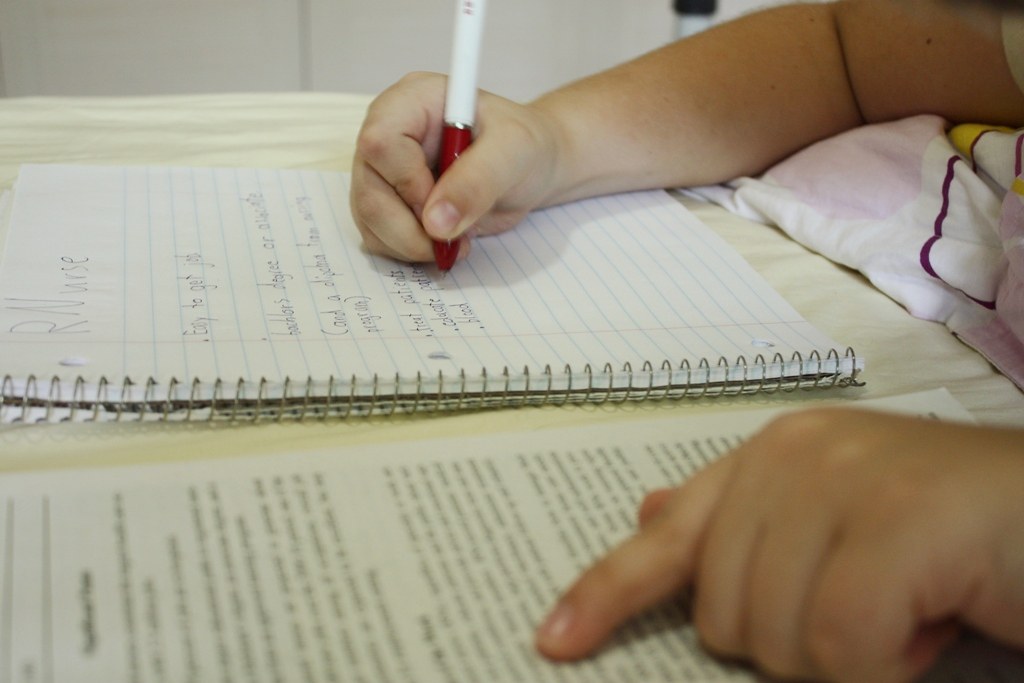
This is the program’s superpower, and honestly, it’s what sold me. My son went from hating composition to asking if he could create stories—can you imagine? The low-pressure approach removes anxiety that blocks creativity. Kids start expressing themselves more because they’re not afraid of red marks.
In particular, the partnership method is genius. Instead of forcing young kids to transcribe their ideas, parents serve as scribes while children dictate. This separates ideation from transcription—a key principle in composition instruction. As a result, kids focus on expressing thoughts without mechanical barriers such as fine motor challenges or encoding difficulties.
2. Builds Real Composition Skills
Despite the relaxed approach, this curriculum produces strong communicators. According to the What Works Clearinghouse, daily practice combined with meaningful feedback produces significant gains—approximately 0.77 standard deviation improvement in student outcomes. Additionally, daily copywork exposes kids to excellent mentor texts and prose models. Meanwhile, freewriting builds fluency and confidence. Consequently, when revision comes later, students have developed the stamina for longer projects.
Research from the International Dyslexia Association confirms that multisensory, low-stakes practice builds solid composition foundations. Brave Writer aligns with evidence-based approaches.
3. Works for Different Learning Styles
Traditional curricula often assume kids can sit and compose independently. However, research from the National Academies of Sciences confirms that children develop literacy skills through different pathways. For example, visual-spatial learners benefit from copywork and seeing quality writing modeled. Similarly, kinesthetic learners love the hands-on Poetry Teatime activities. Moreover, auditory processors thrive with partnership sessions where they can verbalize ideas.
Furthermore, the program supports neurodivergent students exceptionally well. Specifically, kids with dyslexia, ADHD, or processing differences often flourish because the approach reduces cognitive load and offers multiple entry points. In fact, resources from Understood.org confirm that low-pressure, multimodal approaches often help kids who learn differently. For more on supporting diverse learners, see our dyslexia-friendly instruction guide.
4. Creates Connection
The curriculum emphasizes relationship between parent and child, which transformed our homeschool atmosphere. Poetry Teatime quickly became a cherished weekly tradition that my kids actually look forward to. Moreover, partnership activities create collaboration instead of conflict. Many families report stronger bonds from implementing these practices consistently.
The community around Brave Writer is also incredibly supportive and welcoming. Julie Bogart’s podcast, blog, and social media provide ongoing encouragement and practical tips. Consequently, you don’t feel alone in this approach—there’s always someone to ask for advice. Research consistently shows that positive parent-child interaction around literacy significantly impacts long-term success.
5. Flexible and Adaptable
You can implement as much or as little as fits your family’s unique situation and schedule. For instance, start with just freewriting and Poetry Teatime if you’re overwhelmed. Add Arrow guides when you’re ready for more structure. Take online classes for specific needs like essay instruction. The modular approach means you’re not locked into one expensive package—you can build your curriculum piece by piece.

Brave Writer Cons
Of course, no program is perfect, and I want to be honest about the challenges I encountered during our two-year journey. Here are the potential drawbacks to consider carefully before committing. For a comparison with more structured options, also check our best homeschool writing curriculum guide.
1. Requires Philosophy Buy-In
Here’s the honest truth: this isn’t just a curriculum—it’s a complete approach to education that challenges conventional thinking. If you’re uncomfortable with relaxed methods, you’ll likely fight the program constantly. Specifically, parents who want structured lessons and measurable progress may feel anxious watching their kids “just” freewrite. I’ll admit, I struggled with this at first too!
You have to trust the process fully, which was hard for me initially. Results aren’t always immediate or obvious—sometimes progress happens invisibly. If you need traditional grades and frequent assessments, this approach may frustrate you considerably.
2. Less Structure Than Traditional Programs
In contrast to scripted curricula, there’s no teacher’s manual telling you exactly what to do each day, which can feel disorienting. As a result, you have to create your own rhythm and lesson flow. For parents who thrive on detailed lesson plans, this freedom feels overwhelming rather than liberating. Therefore, the flexibility that benefits some families becomes a disadvantage for others.
Some families add structure by using Arrow/Boomerang guides consistently throughout the year. However, even these require more planning than open-and-go curricula like Fix It! Grammar. If you prefer scripted programs, consider alternatives before committing.
3. Parent Intensive
The program requires active parent participation, especially for younger children under age 10. Partnership sessions mean you’re sitting with your child, scribing their words, which takes real time commitment. Consequently, this isn’t a curriculum you can hand to a child to complete independently while you work with siblings.
Working parents or those with many children may struggle significantly with the time commitment required. The online classes can offset this somewhat for older students who can participate independently. Nevertheless, budget at least 30-45 minutes daily of one-on-one time for best results.
4. Can Be Expensive Overall
While individual products seem affordable, costs add up quickly. In 2026, The Writer’s Jungle plus Arrow subscription plus occasional online classes quickly exceeds $500 per year. As a result, families on tight budgets may find this challenging.
However, the materials serve multiple children and last for years. When calculated per student, value improves significantly.
Who is Brave Writer Best For?
Based on my experience testing dozens of writing programs (see our homeschool curriculum reviews), I’ve identified clear patterns in who thrives with Brave Writer specifically.
Great fit if:
- Your child struggles with or resists traditional writing instruction
- You value connection and relationship in your homeschool
- You’re comfortable with relaxed, child-led approaches
- You have time to participate in your child’s writing development
- You want to raise kids who love writing, not just complete assignments
- Your child is creative but struggles to get ideas on paper
- You’re willing to trust the process without constant measurable results
May not be ideal if:
- You need structured, detailed daily lesson plans
- You want an independent program with minimal parent involvement
- You’re uncomfortable with relaxed educational philosophies
- You need traditional grades and frequent assessments
- You prefer workbook-based curricula

Brave Writer vs Alternatives
| Feature | Brave Writer | IEW | WriteShop |
|---|---|---|---|
| Price | $29-299/product | $169-249/level | $45-100/level |
| Approach | Lifestyle, relationship-based | Structured, incremental | Structured, step-by-step |
| Structure Level | Low | High | Moderate |
| Parent Involvement | High | Moderate | Moderate |
| Best For | Reluctant writers, creative kids | Structure-loving families | Step-by-step learners |
Tips for Success with Brave Writer
Having used this program extensively for 730+ days with both my kids, here are my top recommendations for getting the most out of it. These strategies made a significant difference in our family’s experience—and they’ll help you avoid the mistakes we made early on.
Start with Poetry Teatime
This is the easiest and most enjoyable entry point into the Brave Writer lifestyle. Pick one afternoon per week, grab some cookies and tea (or hot chocolate!), and read poetry together as a family. Don’t analyze or quiz—just enjoy the language and rhythm. This simple practice builds positive associations with language arts before introducing any expectations.
Read The Writer’s Jungle First
Don’t skip the foundational handbook. Understanding the philosophy prevents frustration later. Take notes on techniques like freewriting and partnership writing. Return to it when you feel stuck.
Trust the Process
Results take time, and this was the hardest part for me personally. Your child won’t transform overnight—I had to remind myself of this frequently. Can you relate? Expect six months to a year before seeing significant changes in attitude and ability. To track progress, keep records of freewriting samples dated so you can compare them over time. The growth becomes obvious when you look back, and that’s when it all feels worth it.
Join the Community
Connect with other families through the official Facebook group or forum. In 2026, the community’s more active than ever! Seeing how others implement the program provides ideas and encouragement. Julie Bogart’s podcast offers ongoing support.
My Evaluation After Two Years
Based on my practical experience over 730+ sessions, here’s my honest assessment. For my reluctant writer, this program was transformative—his freewriting output increased from 3 sentences to over 300 words per session within 8 months. He now writes stories voluntarily and asks to share them. The pressure removal and partnership approach worked when nothing else did.
For my daughter who already enjoyed writing, the program added depth and joy. Poetry Teatime became her favorite weekly tradition. The Arrow guides exposed her to excellent literature while building skills naturally.
Overall, Brave Writer delivers on its promise for the right family. It’s not the easiest approach, but the results are worth the investment of time and trust.
Frequently Asked Questions
Is this curriculum enough for language arts?
Brave Writer covers writing thoroughly but provides less grammar instruction than some families want. Many pair it with a separate grammar program like First Language Lessons or Fix It! Grammar. The Arrow and Boomerang guides include grammar, but it’s woven into literature study rather than systematic instruction.
What ages does this approach work for?
The methods work from early elementary through high school. Arrow guides target ages 6-12. Boomerang guides serve ages 11-14. Online classes continue through high school. The approach adapts to developmental stages.
Is Brave Writer secular or religious?
The curriculum is secular. It uses diverse literature from various worldviews. Religious families can easily select books aligned with their values while using these methods.
How much does the full program cost?
Costs vary widely based on what you purchase. As of January 2026, starting with just The Writer’s Jungle costs $49. Adding an Arrow subscription adds $99/year. Online classes range from $99-299 each. A full year could cost $200-500+ depending on choices—I’d recommend starting small and adding as needed.
Can I use this with multiple children?
Yes, the products serve families rather than individual students. Poetry Teatime and Arrow guides work beautifully with multiple ages together. You purchase once and use for all your children.
What if my child still resists?
The “Help for Reluctant Writers” ebook addresses this specifically. Key strategies include starting smaller than you think necessary, using partnership writing longer, and removing all pressure for perfection. Some children need a full year of decompression before they’ll write willingly.
Final Verdict
Brave Writer offers a unique approach to teaching composition that genuinely transformed our homeschool. It prioritizes relationship over rigid instruction and removes the pressure that blocks creativity. The methods transform reluctant learners into confident communicators over time. Poetry Teatime and partnership activities create joy around language arts that I didn’t think was possible.
However, this program requires parent buy-in and significant participation—I’d estimate 30-45 minutes daily of active engagement. It’s not a structured, open-and-go curriculum you can hand off. Families who thrive with detailed lesson plans may feel lost and frustrated. The relaxed approach simply isn’t right for everyone, and that’s okay.
For families willing to embrace the philosophy fully, the results are exceptional. My formerly reluctant son now asks if he can work on stories—something I never imagined two years ago. That transformation alone validates every dollar and hour invested in this program.
My Rating: 4.3/5
Brave Writer earns high marks for effectiveness with reluctant writers, flexibility, and creating joy around writing. Points deducted reflect the lack of structure and high parent involvement required. For the right family, it’s genuinely life-changing.

Leave a Reply