Does your child remember words they’ve seen but struggle with traditional lists? These kids need programs that play to their strengths: color, pattern recognition, and imagery. After teaching this subject to four sight-based learners over eight years, I’ve found the programs that actually work.
This guide covers the best options for how these students process information. Furthermore, understanding your child’s learning style helps you choose the right approach.
Disclosure: This post contains affiliate links. We may earn a small commission at no extra cost to you.
What Makes a Spelling Curriculum Work for Visual Learners?
These students remember what they see. In fact, the U.S. Department of Education says instruction matched to learning style improves outcomes. Similarly, the Institute of Education Sciences stresses evidence-based literacy approaches.
For sight-based learners, effective programs include:
- Color-coding to highlight patterns and chunks
- Word shapes that show structure through images
- Pattern recognition over memorization
- Word families that group similar-looking words
- Minimal audio emphasis in favor of image-based presentation
Top Spelling Curricula for Visual Learners
| Program | Best For | Price | Visual Features | Score |
|---|---|---|---|---|
| Spelling You See | Strong visual emphasis | $$ | Color-coded chunks | 4.7/5 |
| All About Spelling | Multi-sensory | $$$ | Letter tiles, cards | 4.6/5 |
| Sequential Spelling | Pattern recognition | $ | Word families | 4.3/5 |
| Apples and Pears | Struggling spellers | $$ | Workbook format | 4.4/5 |
Detailed Program Reviews
1. Spelling You See – Best Pure Visual Approach
SYS was designed for sight-based learners. Specifically, kids use colored pencils to mark letter patterns in words. This creates memory hooks through imagery. I’ve used this program with two of my kids, and the results exceeded my expectations.
How It Works
Each lesson has a passage with target words. First, kids mark consonants in one color and vowels in another. Then, special patterns like “tion” or “ough” get a third color. As a result, this creates snapshots of word patterns that stick.
What’s Included
- Student workbook with passages
- Instructor handbook
- Colored pencils (recommended)
- No separate testing because mastery is built into lessons
Spelling You See Pros
- Designed specifically for visual processing
- Color-coding creates strong memory through imagery
- No weekly spelling tests (reduces anxiety)
- Gentle, low-stress approach
- Copywork builds penmanship skills too
Spelling You See Cons
- Slower progression than traditional programs
- Not enough for some auditory learners
- Requires colored pencils daily
- Less structured than rule-based programs
Best For
SYS works beautifully for strong sight-based learners who’ve struggled with word lists. It’s great for kids who spell well when copying but poorly from memory. Cathy Duffy Reviews says this approach helps kids who learn differently. See our review for more details.
2. All About Spelling – Best Multi-Sensory Option
AAS uses Orton-Gillingham methods with strong image-based elements. Notably, letter tiles let kids build words while seeing patterns. As a result, this makes it great for those who also benefit from hands-on work.
How It Works
Lessons teach rules through demos and hands-on practice with color-coded tiles. Consequently, kids see word patterns shown physically. Then they apply rules to new words. Overall, the systematic approach ensures no skills are missed.
What’s Included
- Teacher manual with scripted lessons
- Student materials and activity sheets
- Color-coded letter tiles
- Phonogram and spelling rule cards
All About Spelling Pros
- Color-coded tiles create visual word representations
- Teaches rules that explain patterns
- Works for struggling spellers and dyslexia
- Mastery-based so no moving on with gaps
- Pairs well with All About Reading
All About Spelling Cons
- Higher initial investment
- Requires daily parent involvement
- Many components to manage
- Slower pace than some programs
Best For
AAS excels for sight-based learners who benefit from hands-on work and need clear rule instruction. HSLDA recommends Orton-Gillingham for students with learning differences. Check our review for more.
3. Sequential Spelling – Best for Pattern Recognition
Sequential teaches through word families. In particular, it helps kids see patterns across related words. For example, learning “rain,” “train,” “strain,” and “restrain” together shows how the same pattern appears in many words.
How It Works
Daily lessons have 25 words built around common patterns. First, students write each word. Then, they see the correct version and self-correct. This comparison builds pattern recognition naturally.
What’s Included
- Teacher book with daily word lists
- Student response book (optional)
- DVDs with word presentations (optional)
Sequential Spelling Pros
- Visual pattern recognition focus
- No memorization of word lists
- Very affordable
- Simple, consistent daily routine
- Immediate visual feedback
Sequential Spelling Cons
- No explicit rule instruction
- Requires writing by hand
- Simple format may bore some students
- Doesn’t address irregular words well
Best For
Sequential suits image-based learners who recognize patterns naturally. Additionally, it’s an affordable, no-frills approach. See our review for more information.
4. Apples and Pears – Best for Struggling Visual Learners
Apples and Pears uses a structured workbook approach. Essentially, it helps struggling students with sight-based cues. Moreover, the program breaks words into manageable chunks and uses tricks to cement patterns.
What’s Included
- Student workbooks with structured exercises
- Teacher’s manual with answers
- Placement test for proper starting level
Apples and Pears Pros
- Systematic, structured approach
- Visual chunking of words
- Works for students who need extra support
- No prep required
Apples and Pears Cons
- Workbook format may feel repetitive
- British English spellings in some areas
- Less engaging than some programs
Best For
Apples and Pears helps kids who’ve struggled and need a structured, supportive approach. Importantly, the systematic design builds confidence over time.
How to Choose the Right Program
Consider Your Child’s Specific Visual Strengths
Some kids respond best to color (SYS). Others need physical manipulation of elements (AAS). Some recognize patterns through comparison (Sequential). Therefore, think about what helps your child remember best.
Assess Previous Experience
If your child has struggled badly, choose a supportive program like AAS or Apples and Pears. On the other hand, if they just need a better approach, SYS or Sequential might be enough.
Factor in Your Teaching Time
AAS requires daily parent involvement. In contrast, SYS and Sequential are more independent after setup. Consider what fits your family schedule and your homeschool work balance.
For more options, see our complete language arts guide. Also, you might explore our writing curriculum for reluctant writers if anxiety has affected your child’s willingness to write.
Tips for Teaching Sight-Based Learners to Spell
Beyond choosing the right curriculum, the following strategies help sight-based learners succeed:
- Use color consistently: Keep the same color system throughout lessons
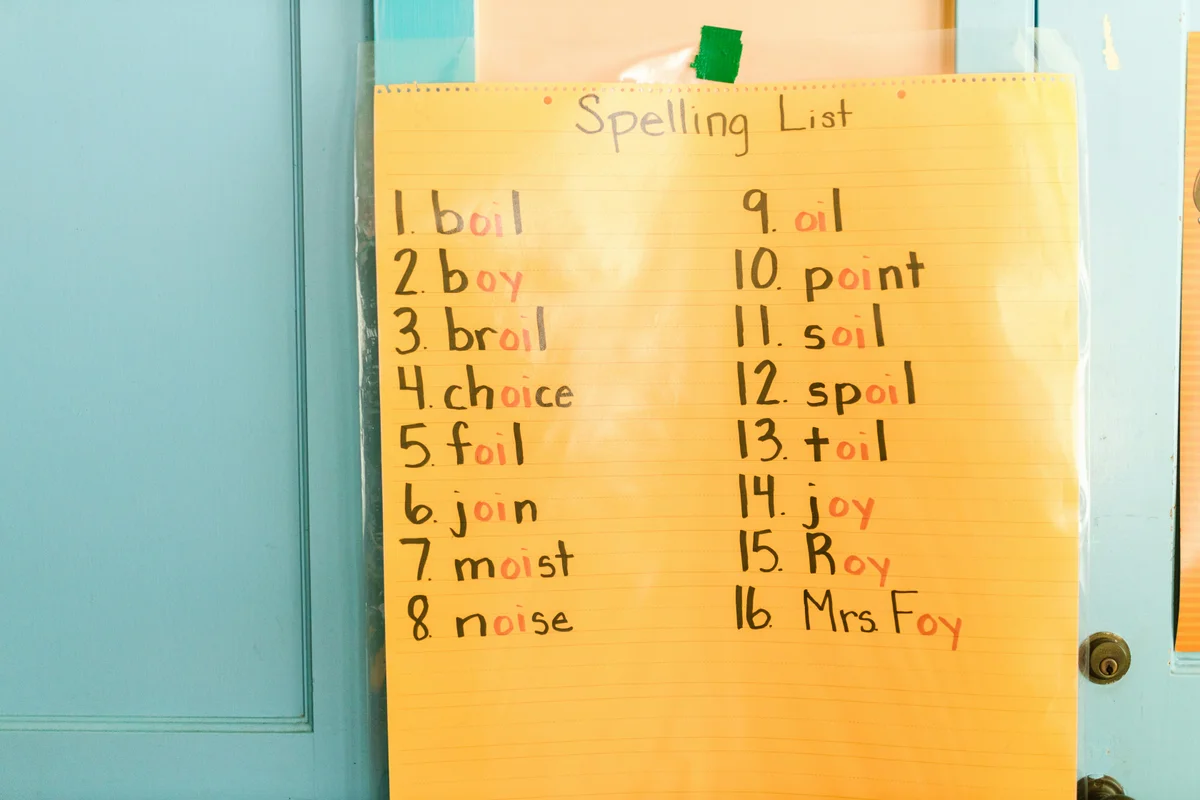
- Create word walls: Display difficult words where your child sees them daily
- Draw word shapes: Have your child trace the outline of words to notice patterns
- Use flashcards with images: Pair words with related pictures
- Highlight tricky parts: Use markers to emphasize the parts that cause errors
Frequently Asked Questions
How do I know if my child is a visual learner?
These kids typically remember faces better than names and prefer reading to listening. Additionally, they notice details others miss. In general, such learners do better with demos than explanations. Often, they copy well but struggle with dictation, saying things like “I see” or “that looks right.”
Can visual learners use any spelling program?
Yes, but programs designed for sight-based processing work better. Traditional auditory programs (like saying words aloud) often frustrate these kids. Therefore, programs with strong image-based parts produce better results.
What if my visual learner still struggles?
Consider screening for dyslexia, which affects word memory differently. AAS works for both sight-based learners and students with learning differences. The National Center for Education Statistics notes that early help improves outcomes.
Should I combine visual spelling with other methods?
Multi-sensory approaches work well for many sight-based learners. Adding tactile elements (like AAS tiles) or kinesthetic activities can strengthen memory. Nevertheless, keep the image-based parts as the main focus.
How long does it take to see improvement?
Most families see noticeable progress within 6-8 weeks of consistent use. Of course, building solid skills takes time. Trust the process and celebrate small wins along the way.
Our Top Recommendation
For most sight-based learners, I recommend starting with SYS. Its color-coded marking creates memory hooks that help these students succeed. Additionally, the gentle pace reduces anxiety.
If your child also has dyslexia or big struggles, AAS provides more structured support. It still emphasizes image-based learning through its color-coded tiles. Furthermore, the systematic approach fills gaps and builds confidence.
Ultimately, the best program is one you’ll use consistently. Choose something that fits your child’s learning style and your family’s time. If you’re new to homeschooling, start with our how to start guide. You might also benefit from our best homeschool curriculum guide.
Leave a Reply