Affiliate Disclosure: This post contains affiliate links. If you buy through these links, we may earn a small commission at no extra cost to you. We only recommend products we genuinely believe in.
My daughter stared at the page, tears welling up. Another lesson had ended in frustration—the third time that week. We’d tried three different programs already, and nothing clicked. Sound familiar? If so, you’re definitely not alone in this struggle. Let me share how we finally found success.
That’s when a friend mentioned this Orton-Gillingham curriculum. Six months later, my daughter was devouring chapter books. Real, actual chapter books! Remarkably, she went from struggling to confident in ways I couldn’t have imagined. Honestly, I still can’t quite believe the transformation we witnessed. After two years of daily lessons with this program, I’ve seen firsthand why so many homeschool families swear by it.
I’ve now used this curriculum with two of my kids. Additionally, I’ve watched countless other homeschool families use it and spent hours researching how it compares to other programs. This review shares everything I’ve learned, so you can decide if it’s right for your family.
Quick Verdict
Rating: 4.8/5
Best For: Struggling readers, kids with dyslexia, families wanting thorough phonics instruction
Price: $180-$230 per level
Bottom Line: All About Reading is hands-down one of the best phonics programs available. It’s pricier than some alternatives, but for kids who struggle with reading, it’s worth every penny.
Key Features at a Glance
- Methodology: Orton-Gillingham multisensory approach
- Grade Range: Pre-reading through 4th grade (5 levels)
- Daily Lesson Time: 15-20 minutes
- Materials: Teacher manual, student packets, letter tiles, phonogram cards, readers
- Prep Required: None (open-and-go)
- Reusability: Core materials work for multiple children
- Religious Content: Secular (none)
What Is This Phonics Program?
First, let me give you the essential overview of this program’s features and scope. This comprehensive phonics curriculum is designed for kids from pre-reading through fourth grade. It’s published by All About Learning Press, the same company behind All About Spelling. The scope of the program is impressive—covering everything from letter recognition to fluent reading of multi-syllable words.
Here’s what makes it different from most programs: it uses the Orton-Gillingham approach. In other words, it teaches through multiple senses at once. Kids see letters, hear sounds, and manipulate physical tiles all at the same time. Research from the Institute of Education Sciences confirms this type of systematic phonics instruction works better than other approaches. This is especially true for struggling learners.
The program comes in four color-coded levels:
- Pre-Level (white): Letter recognition, phonemic awareness, basic concepts
- Level 1 (yellow): Short vowels, consonants, basic blends
- Level 2 (blue): Long vowels, advanced blends, more complex words
- Level 3 (green): Multi-syllable words, prefixes, suffixes
- Level 4 (purple): Advanced phonics patterns, fluent reading
Typically, most kids finish around fourth-grade level by completing Level 4. Of course, that varies based on when they start and how quickly they move.
What’s Included in Each Level
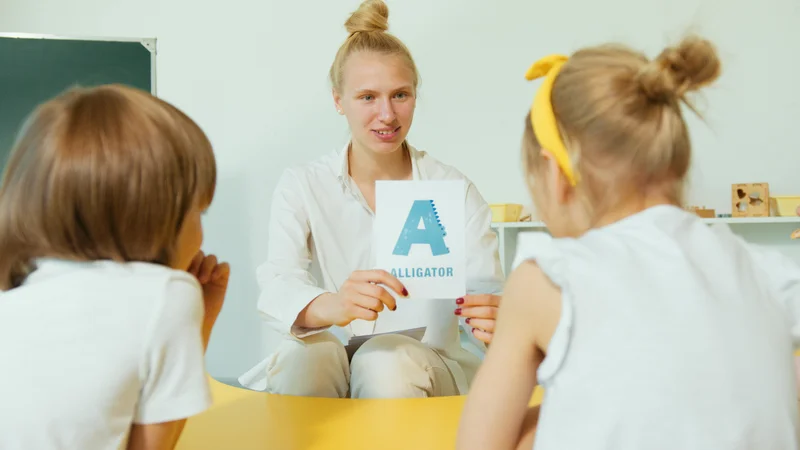
When you buy a level, you get a pretty substantial package. Therefore, let me break down exactly what comes in the box.
Teacher’s Manual
This is your lifeline. The teacher’s manual contains scripted lessons. Yes, it literally tells you what to say. I know that sounds annoying to experienced homeschoolers. However, it’s incredibly helpful. You don’t have to figure out how to explain tricky concepts. You just follow the script.
Each lesson takes about 15-20 minutes and follows a predictable structure: review, new teaching, and practice. There’s no guesswork about what to do next.
Student Packet
This includes activity sheets, fluency practice pages, and assessment materials. The activities reinforce what you’re teaching without being boring busywork. My kids actually looked forward to the games and activities.
Letter Tiles
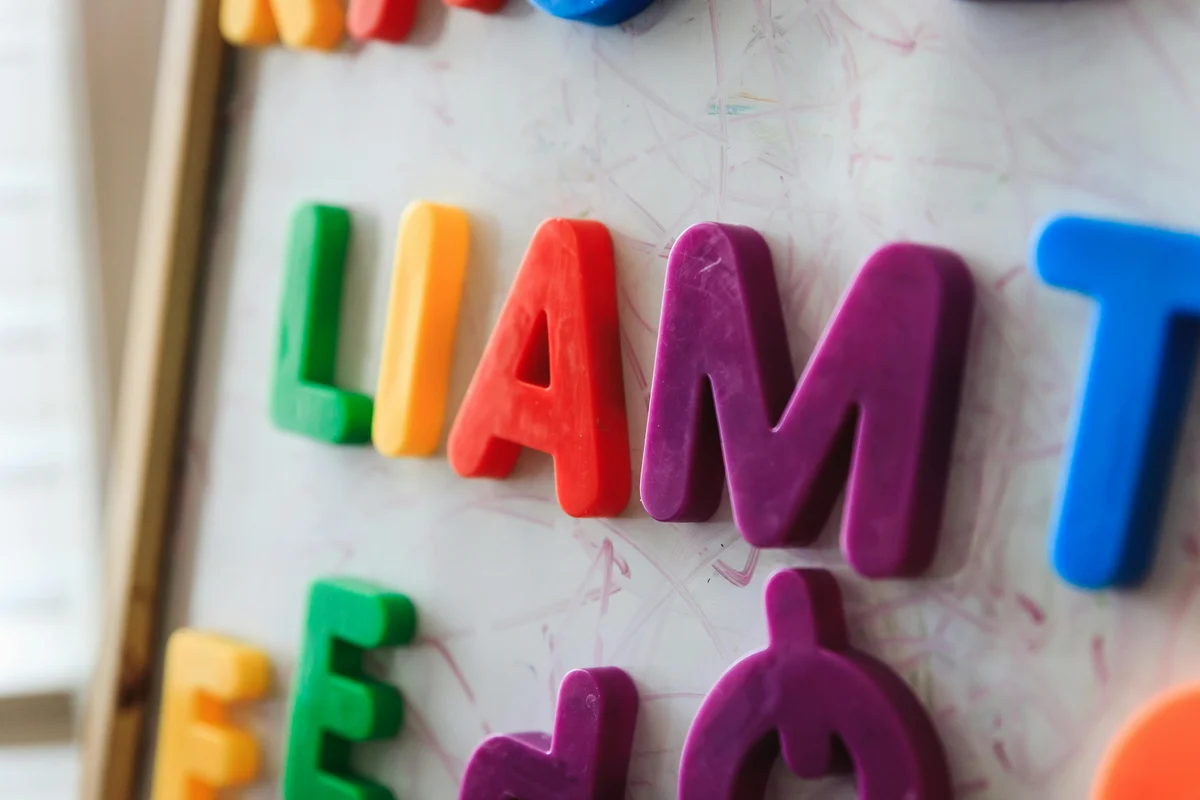
Here’s where All About Reading really shines. The magnetic letter tiles are color-coded—vowels are red, consonants are blue. Kids physically build words, move letters around, and see patterns emerge.
I wasn’t sold on these at first. They seemed gimmicky. But watching my daughter manipulate tiles while sounding out words? It clicked something in her brain that worksheets never did. In fact, these tiles are probably the secret sauce of the whole program.
(Quick note: You only need to buy the letter tiles once. Importantly, they work across all levels, so that’s a one-time investment.)
Phonogram Cards
These flashcards teach letter sounds systematically. You’ll use them for daily review, and they really help cement the phonics patterns. Kids flip through them quickly—it only adds a minute or two to each lesson.
Readers
Every level includes decodable readers that match exactly what your child has learned. This is crucial because the readers only use phonics patterns your kid has already mastered, so they can actually read the stories successfully—without guessing and without frustration.
The stories themselves are decent. They’re not amazing literature, but not painfully boring either. In fact, my kids enjoyed them well enough. Most importantly, they could read them independently.
How Daily Lessons Work
Here’s what a typical lesson looks like in our house with this Orton-Gillingham program:
Minute 1-3: Review phonogram cards. Quick flip through cards from previous lessons. This takes maybe two minutes once you get the rhythm.
Minute 4-10: New teaching. I follow the script in the teacher’s manual. We might learn a new sound, practice blending, or work with the letter tiles. This is the “meaty” part of the lesson.
Minute 11-15: Practice activity. Games, worksheets, or hands-on activities from the student packet. These reinforce what we just learned.
Minute 16-20: Reading practice. Either from the readers or fluency sheets. My daughter reads aloud while I listen.
Total time? Usually 15-20 minutes. On busy days, we sometimes split it up—phonogram review in the morning, new teaching after lunch, reading practice before bed. Consequently, the flexibility is quite nice.
Key Advantages That Set This Program Apart
After two years of daily use with my children, here’s what genuinely impressed me. In my experience, these specific advantages and benefits make a real difference for struggling learners. Let me walk you through each one.
It Actually Works for Struggling Learners
Honestly, I can’t emphasize this enough. My daughter tried other programs—Hooked on Phonics, digital apps, some workbook thing from Walmart. Unfortunately, nothing worked. She’d guess at words instead of sounding them out. Furthermore, she’d memorize book patterns instead of actually decoding.
Remarkably, this Orton-Gillingham curriculum broke that cycle. First, the systematic approach forced her to actually decode words. Then, the hands-on tiles made abstract phonics concepts concrete. Within three months, she stopped guessing. Ultimately, within six months, she was fluent.
I’ve since talked to dozens of homeschool parents with similar stories. Kids with dyslexia, kids who “just couldn’t get it,” kids who’d been in school intervention—this program worked when other approaches didn’t. Research suggests that 95% of children can learn to decode with proper systematic instruction, and this curriculum delivers exactly that kind of instruction.
Zero Prep Time
I’m a working homeschool mom. I don’t have time to prep elaborate lessons. All About Reading requires literally zero preparation. You open the teacher’s manual, grab the tiles, and go.
Everything you need is in the box—there’s no printing worksheets, no gathering supplies, and no planning ahead. Consequently, this alone makes it worth the higher price tag for busy families.
Mastery-Based Progression
Kids don’t move forward until they’ve actually mastered the current concept. The program builds fluency checks right into the lessons—if your child isn’t ready to advance, you simply do more practice at the current level.
As a result, this prevents the gaps that happen with other programs. You know, when kids move ahead before really “getting” something, and then struggle worse later? That doesn’t happen here.
Excellent Teacher Support
All About Learning Press has amazing customer service. They offer free placement tests on their website (definitely use these!). Their blog has tons of tips. And if you have questions, they actually respond helpfully.
They also have a private Facebook group where parents share ideas and troubleshoot problems. It’s genuinely supportive, not salesy.
Reusable Materials
Once you buy the basic materials (letter tiles, phonogram cards, the reader library), you can reuse them with younger siblings. Only the consumable student packets need to be repurchased.
For families with multiple kids, this dramatically reduces the cost per child. We’ve already saved money reusing materials with our second kid.
Potential Drawbacks and Disadvantages
Of course, no curriculum is perfect. Consequently, here’s what bugs me about this program—and what you should carefully consider before investing. Being honest about disadvantages is just as important as highlighting advantages, so let me share the real challenges I’ve encountered.
The Price Tag Is Substantial
Admittedly, $180-$230 per level is expensive—there’s no sugarcoating this disadvantage. For a family on a tight budget, that’s a significant investment. When you multiply it across four or five levels, we’re talking $800+ for the complete program. That said, the materials are high-quality and reusable.
Yes, materials are reusable. Yes, it’s worth it for struggling readers. But if your child doesn’t struggle with reading, you might not need such an intensive (and expensive) approach. Budget-conscious families might find alternatives work fine.
Not Literature-Based (A Key Disadvantage for Some)
If you’re dreaming of cozy read-alouds with beautiful picture books, that’s not what All About Reading provides. Instead, it’s a skills-based program focused on phonics instruction. Essentially, the readers function like a textbook—practical and educational, but not literary masterpieces.
Most families supplement with library books and read-alouds anyway, so this isn’t a huge deal. But if you want an integrated literature approach, this isn’t it.
Can Feel Repetitive
Undeniably, the systematic approach means lots of review. Some kids (and parents) find this tedious. “Why are we practicing short vowels AGAIN?” is a common complaint.
The repetition is intentional—it builds fluency and automaticity. But if your child gets bored with review, you’ll need to power through some grumpy moments.
Physical Materials Can Be Overwhelming
Indeed, the letter tiles, phonogram cards, activity sheets, readers, teacher’s manual—it’s a lot of stuff to organize. This is a practical disadvantage that surprised me. Therefore, you’ll want some kind of storage system from day one.
I use a three-ring binder for the teacher’s manual and a divided container for the tiles and cards. It works, but it took some trial and error to figure out.
Who Should Use This Phonics Program?
Based on my two years of hands-on experience and conversations with other homeschoolers, here’s who benefits most:
Great Fit If:
- Your child struggles with reading or has dyslexia
- Previous reading programs haven’t worked
- You want a structured, systematic approach
- You prefer scripted lessons with minimal prep
- Your child is a kinesthetic or tactile learner
- You have multiple children (materials are reusable)
- You’re willing to invest in quality materials
Might Not Be Ideal If:
- Your budget is very tight and your child reads fine with cheaper programs
- You strongly prefer literature-based approaches
- Your child already reads well and doesn’t need intensive phonics
- You hate following scripted lessons
- Your child is highly resistant to structured learning
Evaluation: Comparison With Other Programs
How does this Orton-Gillingham curriculum compare to alternatives? In my evaluation of multiple reading programs over the years, here’s my honest assessment and take. The items I’ve listed below represent the most important comparison points for homeschool families:
| Program | Approach | Cost | Best For |
|---|---|---|---|
| All About Reading | Orton-Gillingham, multisensory | $180-$230/level | Struggling readers, dyslexia |
| 100 Easy Lessons | DISTAR, direct instruction | $25 total | Tight budgets, no extras needed |
| Logic of English | Orton-Gillingham, integrated | $200-$400/level | Complete LA program |
| Reading Eggs | Online, game-based | $10-15/month | Screen-comfortable kids |
| The Good and Beautiful | Literature-based | $30-$70/level | Budget families, gentle approach |
All About Reading vs. 100 Easy Lessons
100 Easy Lessons costs $25. All About Reading costs $180+. Is the difference worth it?
For some families, honestly no. If your child cooperates with direct instruction and doesn’t have learning differences, 100 Easy Lessons can teach reading effectively for a fraction of the cost.
But for struggling readers? All About Reading wins hands down. The multisensory approach, hands-on materials, and systematic review address problems that 100 Easy Lessons can’t touch.
All About Reading vs. Logic of English
These are both excellent Orton-Gillingham programs. The main difference: Logic of English integrates reading with spelling, grammar, and handwriting. All About Reading focuses purely on reading (pair it with All About Spelling for a complete package).
Logic of English requires more prep time and has steeper learning curve for parents. All About Reading is more straightforward to teach. Choose based on whether you want integration or simplicity.
Practical Tips for Success
After two years of daily use with my own children, here’s what I wish I’d known from the start. These practical strategies will help you get the most from your investment:
Take the Placement Test
Seriously, don’t skip this step. It’s free on their website and takes only 15 minutes. Starting at the wrong level sets kids up for frustration or boredom. Importantly, the placement test tells you exactly where to begin.
Don’t Rush
This isn’t a race. If your child needs extra practice at a level, take extra practice. The mastery-based approach only works if you actually ensure mastery. Resist the urge to speed through.
Use the Games
The activity sheets include games. Use them! They make review way more fun, and fun practice is effective practice. My kids actually ask to play the phonogram games now.
Supplement with Library Books
Once your child masters phonics patterns, let them apply those skills to real books from the library. The decodable readers are great for practice, but kids need exposure to varied vocabulary and sentence structures too.
Be Consistent
Short daily lessons beat long weekly sessions. Fifteen minutes every day produces better results than an hour once a week. The daily review keeps phonics patterns fresh.
Frequently Asked Questions
How long does each level take to complete?
Most kids finish a level in about one school year, doing 15-20 minute lessons 4-5 days per week. Some kids go faster, some slower. The program is designed to move at your child’s pace, not an arbitrary schedule.
Can I skip levels if my child already reads somewhat?
Take the placement test first. Many kids who “read somewhat” have gaps in their phonics knowledge. Starting too high means missing foundational concepts. It’s usually better to start lower and move quickly through review than to struggle with gaps later.
Does All About Reading work for kids with dyslexia?
Yes! The Orton-Gillingham approach was actually developed specifically for struggling readers and those with dyslexia. According to the International Dyslexia Association, multisensory structured literacy approaches like this are the gold standard for teaching students with reading difficulties. The multisensory techniques help information stick when traditional approaches fail. Many families report breakthrough success with dyslexic learners.
What age should I start All About Reading?
The pre-reading level works for kids as young as 4-5 who know their letters. Level 1 is typically started around age 5-7. But readiness matters more than age—take the placement test to determine where your specific child should begin.
Is All About Reading secular or religious?
The program is completely secular. There’s no religious content in the lessons or readers. It works for families of any faith background or those who prefer secular curriculum.
Can I use All About Reading alongside other curriculum?
Absolutely. Many families use All About Reading for phonics instruction while using other materials for literature study, writing, and grammar. It pairs especially well with All About Spelling from the same publisher.
Summary, Conclusion, and Final Verdict

In summary, is All About Reading worth the investment? For our family, it absolutely was.
My daughter went from frustrated non-reader to confident bookworm. My son, who didn’t struggle as much, still benefited from the systematic approach. The program delivered exactly what it promised: solid phonics instruction that actually works.
Looking back, I wish we’d started with All About Reading from the beginning instead of trying cheaper alternatives first. The time we lost struggling with programs that didn’t work was more costly than the money we would have spent on this one. That’s why I recommend All About Reading so confidently to families in the first year of homeschooling—starting with effective tools makes everything easier.
Is it expensive? Yes. Is it perfect? No. But to conclude, for families with struggling readers, kids with dyslexia, or parents who want thorough, research-based phonics instruction—All About Reading is one of the best options available.
The investment paid off in ways I can’t put a price tag on. Watching my daughter curl up with a chapter book, completely absorbed in the story? Worth every penny.
My Rating: 4.8/5
What I’d change: Lower price point or more budget-friendly starter option. The cost is the only real barrier for families who would otherwise benefit greatly.
Who should buy it: Families with struggling readers, kids with dyslexia or learning differences, parents wanting systematic Orton-Gillingham instruction, anyone who’s tried other programs without success.
Who might skip it: Families on very tight budgets whose kids read fine with cheaper programs, those who strongly prefer literature-based approaches, kids who don’t need intensive phonics instruction.
Ready to try it? Start with the free placement test on their website. It’ll show you exactly where your child should begin and give you a feel for the program’s approach before you invest.


Leave a Reply