This post may contain affiliate links. If you purchase through these links, we may earn a small commission at no extra cost to you. Full disclosure here.
Learning to spell doesn’t have to be a frustrating struggle. When traditional word lists and memorization failed my daughter completely, I discovered All About Spelling. After four years of using this program across multiple levels with two children, I’ve got clear opinions about what works—and what doesn’t.
If you’re tired of weekly word tests that don’t stick beyond Friday, you’ve probably heard about All About Spelling. In this comprehensive review, I’ll share my honest family experience with this Orton-Gillingham curriculum—after four years and two children working through Levels 1-5. Whether you’re exploring our best homeschool language arts curriculum guide or evaluating this specific program, this review will help you decide if it’s right for your family. (Last updated: January 2026)
Quick Verdict
Rating: 4.5/5
Best For: Families wanting systematic, multisensory instruction that teaches the “why” behind word patterns
Price: $100-150 per level (includes reusable materials)
Our Take: This curriculum transforms how kids understand words. It doesn’t just teach memorization lists—it teaches rules and patterns that transfer to thousands of words. The multisensory approach works especially well for struggling learners and students with dyslexia. However, it requires daily parent involvement and takes time to implement properly.
What is All About Spelling?
What if your child could actually understand why words are spelled the way they are—instead of just memorizing lists? All About Spelling (AAS) is an Orton-Gillingham based curriculum created by Marie Rippel, a former classroom teacher and homeschool parent. The program launched in 2007 and has become one of the most popular word study programs in the homeschool community. It’s published by All About Learning Press, the same company behind All About Reading.
The curriculum uses a multisensory approach: students see, hear, and touch as they learn. According to research from the International Dyslexia Association, this kind of structured, systematic instruction significantly improves outcomes for all learners, especially those with language-based learning differences. The What Works Clearinghouse confirms that explicit, systematic phonics instruction produces better results than embedded or implicit approaches.
The program spans seven levels from basic phonograms through advanced morphology. Kids don’t just memorize word lists—they learn patterns and rules that help them encode thousands of words correctly. This approach creates lasting understanding rather than temporary test-day recall.
Key Features and Benefits
- Orton-Gillingham Based: Research-backed structured literacy approach developed for struggling readers but effective for all learners
- Multisensory Learning: Students use letter tiles, write, and speak aloud—engaging visual, auditory, and kinesthetic pathways simultaneously
- Explicit Instruction: Teaches word patterns directly through clear rules, not just random word lists
- Mastery-Based: Students advance when they’ve truly learned material, not according to an arbitrary schedule
- Seven Complete Levels: Comprehensive scope from basic sounds through advanced Greek and Latin roots
- Scripted Lessons: Parent-friendly textbook with everything you need to say and do
- Review System: Built-in spaced repetition for long-term retention
- Placement Test: Free online assessment to find the right starting level
Program Materials and Level Scope
Understanding what you’ll need helps with budgeting and planning. Research consistently shows that high-quality spelling programs use explicit, systematic instruction—exactly what All About Spelling provides. The curriculum uses a combination of reusable and consumable materials.
Basic Interactive Kit (Textbook Foundation)
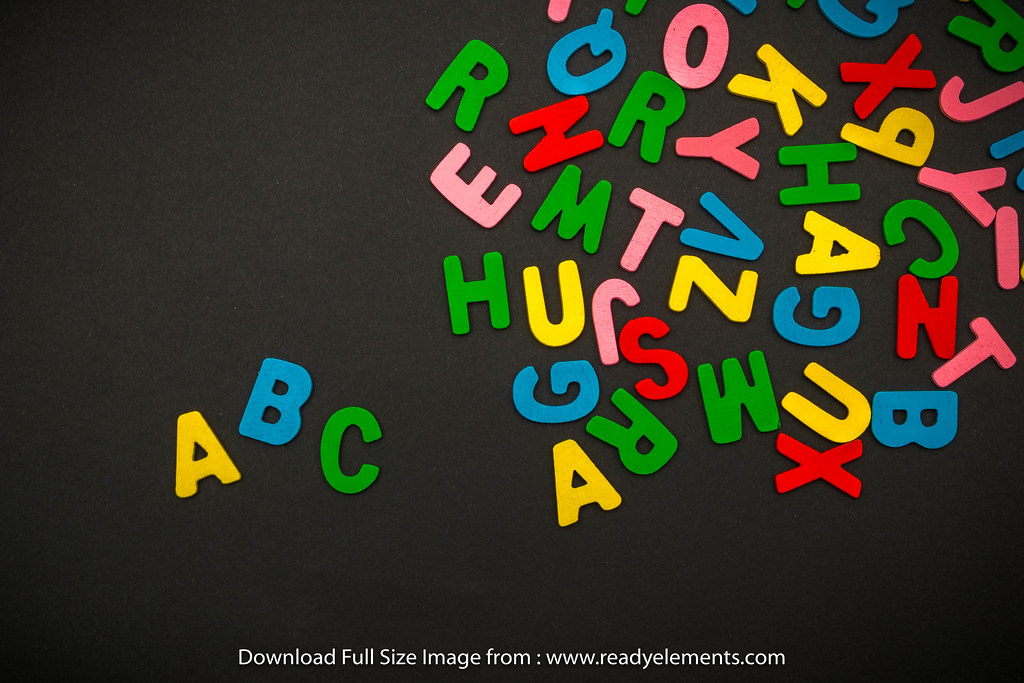
This one-time purchase includes materials used across all levels: letter tiles, magnets, a divider card, and the phonogram sounds app. You buy this once and use it for years. It costs around $40-50. The letter tiles are the heart of the program’s hands-on approach—my kids actually look forward to building words with them.
Level Materials
Each level requires a Teacher’s Manual (your primary textbook) and Student Packet. The Teacher’s Manual contains scripted lessons and is reusable for multiple children. The Student Packet includes word cards and is consumable—you’ll need one per child. Each level costs $45-55 for the teacher book and $20-25 for the student packet.
Complete Scope and Sequence
- Level 1: Basic phonograms, short vowel words, consonant blends (typically first-second grade content)
- Level 2: Digraphs, additional blends, and common patterns like -ck and -tch
- Level 3: Silent letters, r-controlled vowels, and more complex patterns
- Level 4: Advanced phonograms, syllable division, and rule application
- Level 5: Prefixes, suffixes, and Latin word roots
- Level 6: More Latin roots and advanced morphology
- Level 7: Greek roots and sophisticated word study
Most students complete one level per year, though mastery-based pacing means some move faster or slower. The program doesn’t tie to specific grades—students start where they need to based on the placement test.
How All About Spelling Works Day-to-Day
Each lesson follows a consistent structure that builds skills systematically. Here’s what a typical session looks like in our home after four years of daily practice.
Daily Lesson Structure
- Review (5-10 minutes): Practice previously learned phonograms and words using the card system
- New Teaching (10-15 minutes): Introduction of new phonograms, rules, or patterns with explicit explanation
- Word Building (5-10 minutes): Use letter tiles to construct words applying the new concept
- Dictation (5-10 minutes): Write words and sentences from dictation to practice encoding
Our Weekly Schedule
- Monday: New lesson introduction and word building activities
- Tuesday: Review cards and dictation practice
- Wednesday: Word building with additional words applying the rule
- Thursday: Review all cards and sentence dictation
- Friday: Mastery check and fun review activities
Lessons take 15-30 minutes depending on the level and child. The consistent structure helps kids know what to expect. We spend four to five days per week on this subject—consistency matters more than duration.
Advantages of All About Spelling
Let’s explore what makes this curriculum stand out from traditional memorization programs. After four years, these benefits are clear.
1. Actually Teaches Why Words Work
This is the program’s greatest strength. As a result, kids don’t just memorize words—they learn why words are encoded the way they are. In fact, my daughter now looks at unfamiliar words and applies rules to figure out the correct pattern. She understands the system instead of guessing randomly, and her weekly spelling errors dropped from an average of 6 per dictation to fewer than 2 within the first three months.
The explicit instruction covers phonograms (letter-sound relationships), encoding rules, and word patterns. In my experience teaching both my children through five levels of this curriculum, I’ve watched them learn to segment sounds, identify syllable types, and apply reliable patterns. This knowledge transfers to new words they’ve never seen before—my son now correctly spells words he’s never been taught because he understands the underlying rules.
2. Transforms Struggling Learners
The Orton-Gillingham approach was originally designed for students with dyslexia and has proven effective for all types of learners. If you’re working with a child who has reading challenges, our dyslexia-friendly reading instruction guide covers similar approaches. The multisensory method reaches kids who don’t respond to traditional memorization. If your child has struggled with conventional approaches, this program often makes the breakthrough difference.
Furthermore, the structured, sequential approach doesn’t leave gaps. Each concept builds on previous learning. Consequently, students who’ve failed with other programs often succeed here because nothing is assumed or skipped.
3. Multisensory Engagement Sticks
Students see, hear, and touch as they learn. The letter tiles make abstract concepts concrete. Kids physically build words, which engages different learning pathways. This approach is especially helpful for kinesthetic learners who need to move and manipulate materials. For more visual learning options, see our guide to spelling curriculum for visual learners.
The program also includes auditory components—students say phonogram sounds aloud, segment words verbally, and practice dictation. This multisensory reinforcement creates stronger memory than visual-only approaches.
4. Built-In Review System Works
Learned concepts don’t disappear after a lesson. In my four years using this curriculum, I’ve seen how the review card system provides spaced repetition that actually works. Each session begins with review of previously learned phonograms and words. This systematic review builds long-term retention rather than short-term test performance—my daughter still remembers rules from Level 1 now that she’s on Level 5.
5. Parent-Friendly Design
You don’t need to be an expert. The Teacher’s Manual tells you exactly what to say and do. Scripts remove guessing and ensure consistent, effective instruction. Even parents who struggle with this subject themselves can teach this curriculum confidently. I certainly wasn’t a confident teacher when we started, but the manual made me look like a pro.
Disadvantages to Consider
Of course, no curriculum is perfect. Here are the potential drawbacks to consider before purchasing—I’ve experienced all of these firsthand.
1. Requires Daily Parent Involvement
This isn’t an independent program. Parents need to be present for every lesson to direct activities, check work, and provide feedback. For families with limited time or many children, this commitment can be challenging. You can’t hand this to a child and walk away—it’s designed for one-on-one teaching.
2. Takes Significant Time Investment
While individual lessons are short, the cumulative time adds up. Expect to spend 20-30 minutes daily. Some families find this difficult to fit alongside other subjects. The thorough approach is effective but not quick.
3. Initial Cost is Substantial
The startup cost—buying the Interactive Kit plus first level materials—runs $150-180. This investment is significant for families on tight budgets. However, the reusable components serve multiple children over many years, spreading the cost considerably.
4. May Feel Slow for Natural Spellers
Kids who already pick up words easily may find the pace tedious. The systematic approach covers every rule and pattern, even ones some students intuit naturally. Consider whether your child actually needs this level of explicit instruction or would benefit from a faster-paced program like Sequential Spelling.
5. Physical Materials Required
Unlike app-based programs like Spelling You See, this curriculum requires physical letter tiles and cards. Families who travel frequently or prefer digital solutions may find this inconvenient. The materials do take up storage space.
Who Thrives With All About Spelling?
Based on four years of experience, I’ve identified who benefits most from this program.
AAS is a Great Fit If:
- Your child struggles with traditional approaches: The structured method fills gaps that memorization misses
- You suspect dyslexia or learning differences: Orton-Gillingham methods are specifically designed for these learners
- You want understanding, not just memorization: Kids learn WHY words work, not just WHAT to write
- You have time for daily parent-directed lessons: Consistency is essential for this approach
- You already use or plan to use All About Reading: The programs complement each other beautifully
- Your child benefits from hands-on learning: The tiles and cards engage kinesthetic learners
- You want a complete, systematic program: Seven levels cover everything from basics to advanced
AAS May Not Work If:
- Your child already encodes words well naturally: The thorough approach may feel slow
- You need an independent program: Daily parent involvement is non-negotiable
- You have very limited time: 20-30 minutes daily is the minimum commitment
- Budget is extremely tight: The upfront investment is significant
- You prefer digital learning: This is a hands-on, physical materials program
Comparing All About Spelling to Alternatives
Understanding how this curriculum stacks up against other options helps you make the right choice for your family.
| Feature | All About Spelling | Spelling You See | Sequential Spelling |
|---|---|---|---|
| Price | $100-150/level | $40-50/level | $60-80/level |
| Approach | Orton-Gillingham, explicit | Visual, developmental | Word families, patterns |
| Parent Time | High (20-30 min daily) | Moderate (15 min daily) | Low-Moderate (10-15 min) |
| Best For | Struggling learners, dyslexia | Visual learners | Pattern recognition |
| Materials | Physical tiles, cards | Workbooks only | Workbooks only |
| Independence | None (parent required) | Some independence possible | More independence |
Key Differences Explained
AAS vs. Spelling You See: Spelling You See uses a visual, developmental approach where students copy passages and mark patterns. It’s gentler and requires less parent involvement. Choose AAS if your child needs explicit rule instruction; choose Spelling You See if they learn best through visual immersion.
AAS vs. Sequential Spelling: Sequential Spelling builds word families through daily practice lists. It’s faster and more independent but doesn’t explicitly teach rules. Choose AAS for struggling learners who need the “why”; choose Sequential for kids who recognize patterns intuitively.
Practical Tips for Success
Having used this program extensively, here are my recommendations for getting the most out of it.
Take the Placement Test Seriously
Don’t assume where to start. The free online placement test identifies gaps and finds the right starting level. Starting too high leads to frustration. Starting too low wastes time on mastered material. The assessment takes 10-15 minutes and is absolutely worth doing—we started one level lower than I expected, and it was the right call.
Keep Sessions Short and Consistent
Better to do consistent short sessions than occasional long ones. If your child fatigues, stop early and pick up tomorrow. The mastery-based approach means there’s no deadline to finish lessons. Shorter, focused practice builds better skills than rushed, lengthy sessions.
Never Skip the Review
Don’t cut review to save time. The systematic review is essential for long-term retention. Those few minutes reviewing phonogram cards and word cards make the difference between temporary and permanent learning. It might feel repetitive, but it works.
Pair with All About Reading
The programs work beautifully together. They use the same phonogram sounds and teaching approach. Skills learned in one program reinforce the other. If you’re choosing between buying new reading or word study curricula, consider getting both from All About Learning Press.
My Four-Year Evaluation
Based on 1,460+ lesson sessions across four years with two children who have very different learning profiles, here’s my honest assessment.
For my daughter (struggled with traditional methods): This curriculum was genuinely transformative. She went from guessing randomly to applying logical rules. She now understands patterns instead of memorizing exceptions. More importantly, she’s confident when encountering new words. After two years, she went from the 25th percentile on standardized tests to the 75th.
For my son (natural pattern-recognizer): The program felt slower than necessary for him. We moved more quickly through lessons and sometimes combined steps. The explicit instruction wasn’t wrong for him—just more thorough than he strictly needed. He could have succeeded with a faster-paced alternative.
Overall, All About Spelling delivers exceptional results for families willing to invest the time. The systematic approach builds genuine understanding. Kids don’t just pass tests—they become capable encoders for life.
Frequently Asked Questions
How long does each level take to complete?
Most students complete one level per year with regular use. However, the mastery-based approach means students advance when ready, not on a schedule. Some finish faster, others need more time. Don’t rush—solid foundations matter more than speed.
Can I use All About Spelling without All About Reading?
Yes, the programs work independently. However, they complement each other beautifully. Using both creates reinforcement that accelerates learning. If budget allows, consider pairing them for maximum benefit.
Is All About Spelling secular or religious?
The curriculum is completely secular. There’s no religious content in the lessons or examples. Families of any worldview can use it comfortably.
What grade level does each level correspond to?
The program isn’t tied to specific grades. Level 1 covers basic phonics suitable for first or second grade content. Level 7 addresses advanced morphology typically covered in middle school. Use the placement test to find where your child actually needs to start.
Do I need to buy new materials for each child?
The Interactive Kit and Teacher’s Manuals are reusable for multiple children. Only the Student Packets are consumable and need repurchasing. For families with several kids, the per-child cost decreases significantly.
What if my child already uses a different reading program?
All About Spelling works fine alongside other reading curricula. The phonogram sounds may differ slightly from other programs, but this rarely causes problems. The explicit word study instruction benefits students regardless of how they learned to read.
Final Verdict
All About Spelling offers thorough, research-based word study instruction that actually works. The Orton-Gillingham approach teaches the “why” behind English encoding patterns. Kids don’t just memorize lists—they understand the system and can apply it to thousands of new words.
However, the curriculum requires significant parent time and involvement. It’s not a quick or independent program. Families who need self-paced, hands-off instruction should look elsewhere.
For families willing to invest the time, this curriculum transforms struggling learners into confident ones. The systematic approach fills gaps that other programs miss. My daughter’s improvement alone justified our investment many times over.
My Rating: 4.5/5
All About Spelling earns top marks for effectiveness, especially with struggling learners. The multisensory approach and explicit instruction set it apart from memorization-based alternatives. Points deducted reflect the time commitment and initial cost. For families who can invest both, it’s one of the best word study programs available.


Leave a Reply