
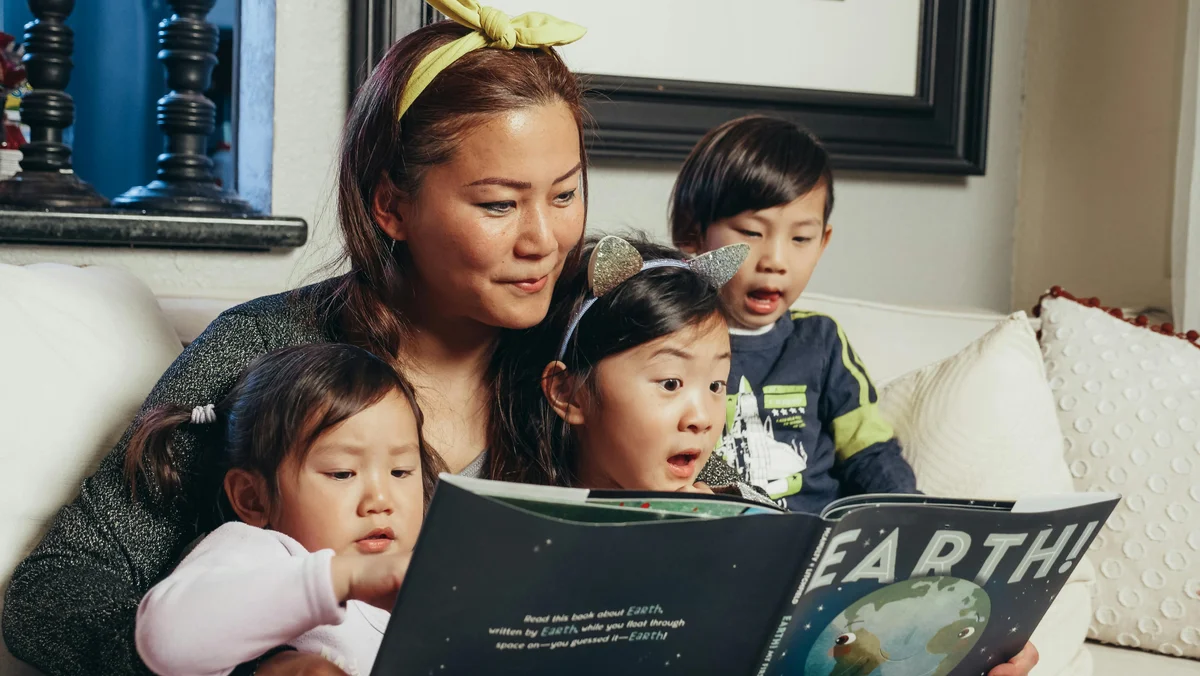
In Charlotte Mason’s educational philosophy, narration is the main method for ensuring children engage with and remember what they learn. After using narration in my homeschool for over five years, I’ve watched it transform reluctant students into eager learners who truly retain information. However, getting started can feel daunting. This guide will walk you through everything you need to know.
What Is Narration?
Narration is the act of telling back what has been read or heard. Instead of answering questions or filling out worksheets, children simply retell the material in their own words. Charlotte Mason called narration “the act of knowing.” The process of organizing and expressing ideas cements understanding and memory.
Also, narration develops skills that traditional workbook approaches often miss. Children learn to organize thoughts, build vocabulary, and make personal connections to material. As a result, they remember more and understand better.
Charlotte Mason wrote: “Narrating is an art, like poetry-making or painting, because it is there, in every child’s mind, waiting to be discovered… It is the means used to secure that all books read, all matter learned, all subjects considered, shall be the child’s own property.”
Why Narration Works
Modern science confirms what Charlotte Mason observed over a century ago. Active retrieval of information strengthens memory far more than passive review. According to research published by the Institute of Education Sciences, retrieval practice is one of the most effective learning strategies available.
When children narrate, they accomplish several things at once:
- Process information actively rather than passively absorbing it
- Organize thoughts into coherent sequences
- Build vocabulary by using new words in context
- Develop oral language skills through regular practice
- Create personal connections to the material
- Practice retrieval, which strengthens long-term memory
Also, research from Washington University confirms that retrieval practice beats re-reading and highlighting as a study technique. The U.S. Department of Education emphasizes active engagement in learning for exactly this reason.
Types of Narration
Oral Narration
Oral narration forms the foundation of all narration practice. It involves simply telling back what was read. Every child should begin here, no matter their age. Even older students who are new to narration start with oral work before moving to written.
In my experience, oral narration is where the magic happens. My initially reluctant narrator became confident within weeks once we established a gentle routine.
How it works:
- Read a passage aloud (or have older students read silently)
- Close the book
- Ask “Tell me what you remember” or “Tell me about…”
- Listen without interrupting (write it down if desired)
- Accept the narration without critique or “improvement”
Written Narration
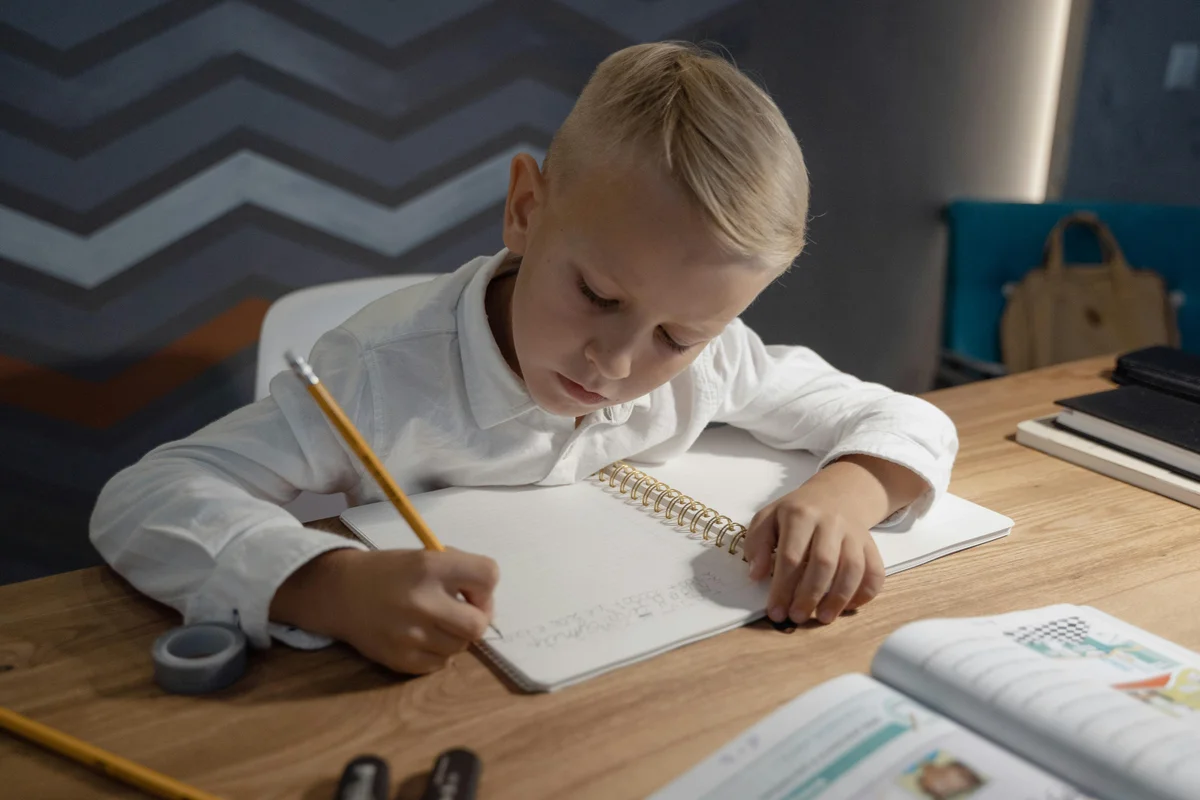
Once children can write well (usually around age 10), written narration slowly replaces some oral narration. Over time, these written narrations become compositions.
Progression by age:
- Ages 6-9: Oral narration only
- Ages 10-11: One written narration per week, rest oral
- Ages 12-14: More written narrations with increasing length
- Ages 15+: Primarily written narrations, developing into essays
Other Narration Forms
Narration doesn’t have to be purely verbal. In fact, creative variations often work better for certain children. Consider these alternatives:
- Drawing narration: Sketch a scene and explain it
- Timeline entries: Record events on a personal timeline
- Map work: Map locations from history or geography readings
- Modeling: Create with clay or blocks, then explain
- Dramatic retelling: Act out the story or event
For more on Charlotte Mason approaches, see our Charlotte Mason method guide. You might also enjoy our language arts curriculum guide for related recommendations.
Getting Started with Narration
Narration seems simple, but doing it well takes practice for both you and your child. Here’s how to begin the right way:
Start with Stories
Begin with engaging stories like fairy tales, picture books, or exciting chapter books. Stories have natural structure (beginning, middle, end) that makes retelling easier. As a result, children gain confidence faster with familiar formats.
Keep Passages Short
For beginners, read only a paragraph or two before asking for narration. Then slowly lengthen passages as skill develops:
- Ages 6-7: 1-3 paragraphs
- Ages 8-9: 1-2 pages
- Ages 10-12: 2-5 pages or one chapter
- Ages 13+: Full chapters or sections
Use the Right Prompt
Avoid questions that can be answered in one word. Instead of asking “What was the story about?” try these prompts:
- “Tell me everything you remember.”
- “Tell me about the Vikings.”
- “What happened next?”
- “Tell it back as if I wasn’t there.”
Wait Patiently
Give your child time to think. Silence is not failure. It’s processing. If needed, offer a simple prompt like “Where did the story begin?” However, resist the urge to jump in with hints.
Accept the Narration
This point is crucial: accept what your child gives you without correction. Don’t say “You forgot about…” or “That’s not quite right.” According to the Home School Legal Defense Association, the habit of attention develops through practice, not correction.
Common Narration Challenges
“I Don’t Remember Anything”
Causes: Passage too long, lack of attention habit, or anxiety
Solutions:
- Shorten the passage dramatically
- Read more engaging material
- Begin with a “Tell me one thing” approach
- Ensure you have your child’s full attention before reading
One-Sentence Narrations
Causes: Passage too long, unfamiliar material, or lack of practice
Solutions:
- Prompt gently with “What happened after that?”
- Shorten passages
- Use more narrative-driven material initially
- Model narration occasionally by narrating yourself
Rambling or Disorganized Narrations
Causes: Processing difficulty, excitement about material, or lack of structure awareness
Solutions:
- Accept rambling narrations because organization improves with practice
- For older children, discuss story structure first
- Consider graphic organizers for visual learners
Resistance to Narration
Causes: Past criticism, perfectionism, or viewing it as a “test”
Solutions:
- Make narration feel like sharing, not testing
- Narrate yourself sometimes to model enjoyment
- Use varied narration forms (drawing, dramatizing)
- Be patient since some children need time to trust the process
Narration Across Subjects
Narration works for every subject, not just reading. Here is how to apply it throughout your homeschool day:
History
After reading living books about historical periods or events, children narrate what they learned. Timeline entries and map work complement oral narration beautifully. For history curriculum ideas, see our history curriculum guide.
Science
Narrate nature study observations, biographies of scientists, or descriptions of natural phenomena. Science notebooks combine written narration with drawings. This approach aligns with Cathy Duffy’s recommendations for literature-based science.
Geography
Narrate travels through books, map the locations discussed, and describe cultures and landscapes encountered. In addition, this builds global awareness naturally.
Bible and Literature
These subjects are natural fits for narration. Children retell Bible stories, passages from classic literature, and poems they have studied.
Math
While less common, narration can work in math too. Ask “Explain how you solved that problem” or “Tell me what you learned about fractions today.” This develops mathematical reasoning.
Building the Habit of Attention
Narration only works when children pay attention to what is being read. Charlotte Mason emphasized developing the “habit of attention” as foundational to education.
Read Each Passage Once
Charlotte Mason insisted on reading material once and never repeating. This trains children to pay attention the first time because they know they will not hear it again.
Prepare for Listening
Before reading, ensure the following:
- Your child is settled and ready
- Distractions are minimized
- They know narration follows
- The environment supports focus
Use Living Books
Living books are well-written, engaging texts written by passionate authors. They naturally hold attention better than dry textbooks. Choose quality literature that respects children’s intelligence. The National Education Association supports literature-rich approaches for building reading skills.
Curriculum Support for Narration
Several curricula are designed around narration principles:
- Ambleside Online: Free Charlotte Mason curriculum with book lists and scheduling
- Simply Charlotte Mason: Complete curriculum packages with living books
- A Gentle Feast: Charlotte Mason curriculum with Catholic or Protestant tracks
- Build Your Library: Secular literature-based curriculum using living books
For more detailed curriculum comparisons, explore our best homeschool curriculum guide.
Narration Records
Recording narrations creates a valuable record of your child’s learning. Options include:
- Writing them down: Transcribe oral narrations for younger children
- Audio recording: Use a phone to capture oral narrations
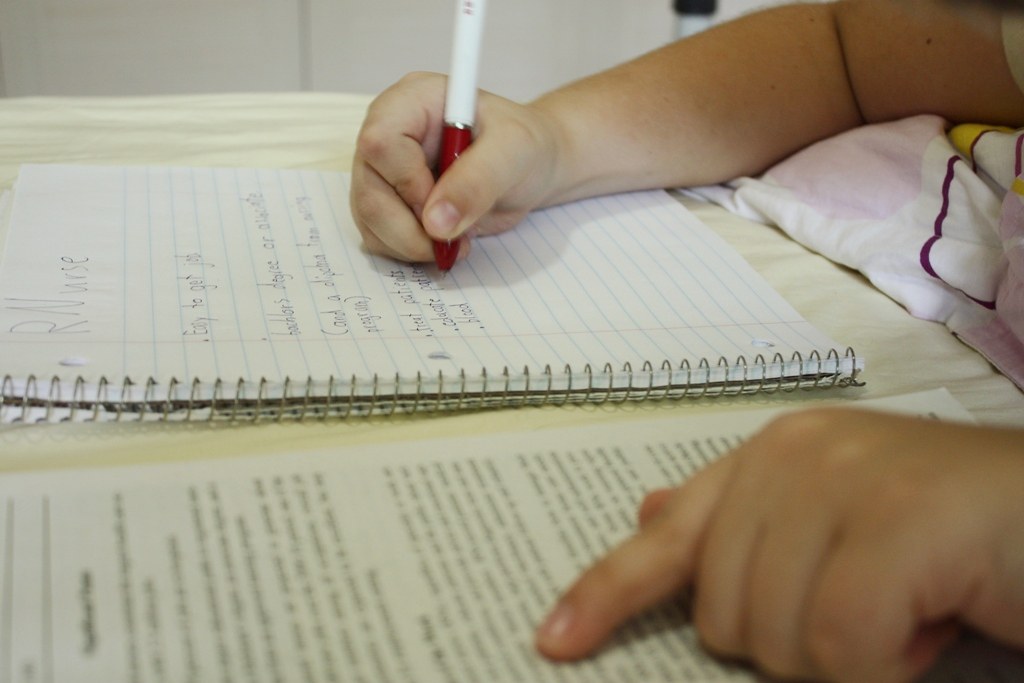
- Notebooks: Older children write narrations directly into subject notebooks
- Portfolios: Collect written narrations as documentation of learning
Frequently Asked Questions
When should I start narration with my child?
Begin as early as age 6 with very short passages from engaging picture books or fairy tales. Even younger children can practice by retelling stories they already know well. The key is keeping it natural, enjoyable, and pressure-free.
My child gives completely inaccurate narrations. Should I correct them?
In general, no. Accept the narration without correction. If details are wildly wrong, you might say “Let’s look at that part again” and re-read the specific section. Over time, accuracy improves naturally through practice and attention development.
How many narrations should we do per day?
Quality matters more than quantity. Charlotte Mason schools typically included 4-6 narrations per day across subjects. However, home settings vary. Even one or two meaningful narrations daily build skills effectively. Do not sacrifice quality for quantity.
Can narration replace traditional writing instruction?
Narration develops composition skills naturally but does not teach handwriting or spelling mechanics. Use narration as the foundation for composition while addressing mechanical skills separately through copywork, dictation, and practice. See our Writing With Ease review for a program that combines these elements.
What if my child is a reluctant talker?
Some children are naturally quiet. Try drawing narration, having them narrate to a sibling or stuffed animal, or recording narrations privately before sharing. Remove any sense of performance pressure. Accept shorter narrations initially and build slowly.
The Power of Patient Practice
Narration does not yield instant results. The first narrations may be sparse, disorganized, or frustrating. However, with consistent practice, transformation happens. Read quality material once, ask for narration, and accept what is given.
Children who narrate regularly develop these essential skills:
- Strong recall and retention
- Organized thinking
- Rich vocabulary
- Natural composition ability
- Confident oral expression
- Deep connection to their learning
Trust the process. Charlotte Mason’s methods have worked for over a century because they align with how children naturally learn. Give narration time, and you will see your child become an engaged, articulate learner who truly owns their education.
Ready to learn more about Charlotte Mason education? Explore our how to start homeschooling guide for complete guidance on beginning your homeschool journey.
]]>
Leave a Reply