
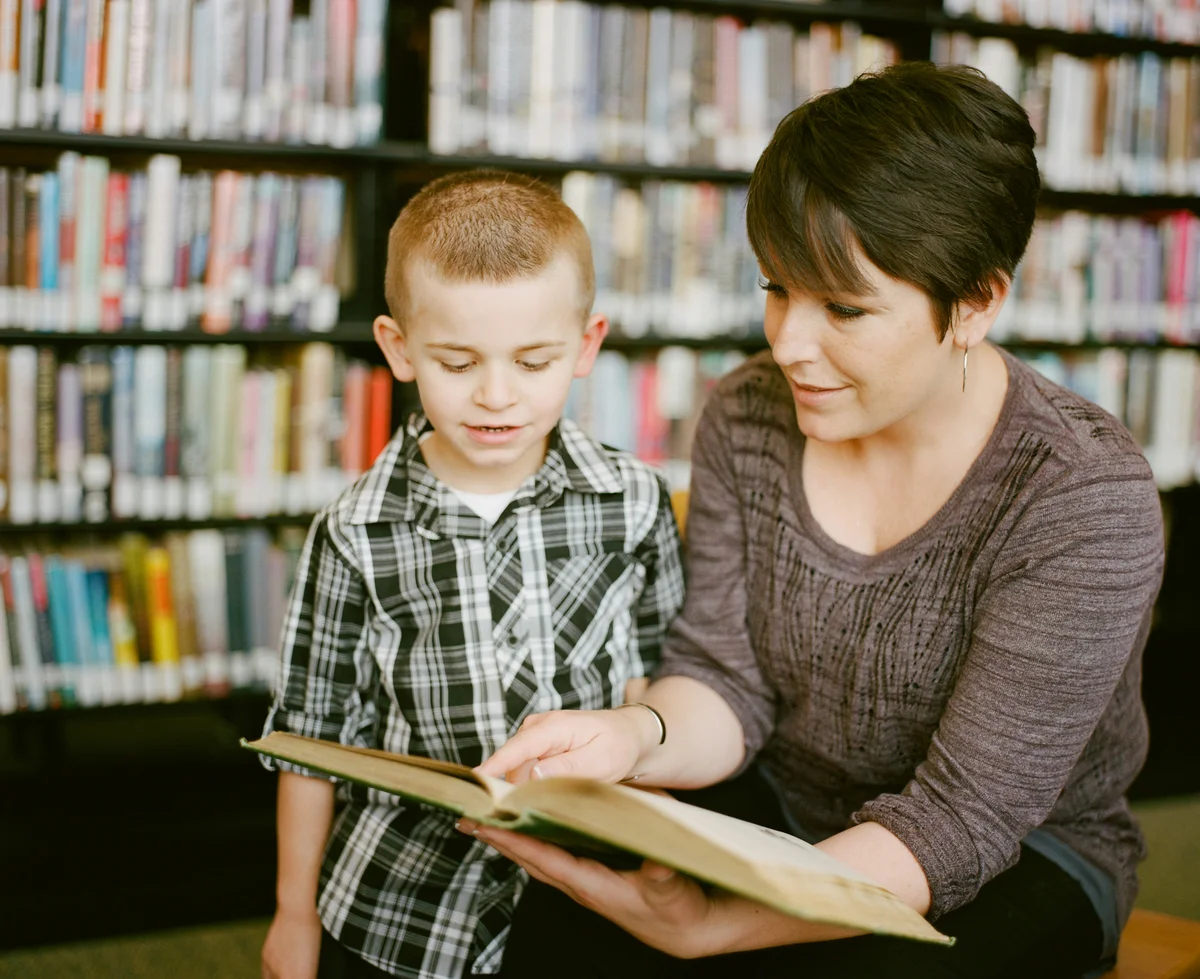
Want to learn how to homeschool in Wisconsin? The Badger State keeps it simple. You file one form each year, teach 875 hours, and cover 6 subjects. That’s the basics. No testing required. No curriculum approval needed. Wisconsin strikes a good balance between accountability and freedom for homeschool families.
This guide covers everything you need to know to start homeschooling in Wisconsin in 2026, including the PI-1206 form, required subjects, and local resources.
Wisconsin Homeschool Laws at a Glance
The Badger State has low to moderate regulation. The rules are clear and easy to follow, so most families find the process smooth.
| Requirement | Details |
|---|---|
| Legal Status | Legal |
| Notification | Required (PI-1206 form) |
| Deadline | October 15 yearly |
| Subjects Required | Yes (6 subjects) |
| Hours Required | 875 hours per year |
| Testing | Not required |
| Compulsory Ages | 6-18 |
The law is found in Statute 118.165, which defines home-based private education. While the term may sound formal, the process is simple. Thousands of families homeschool here successfully.
The PI-1206 Form
This form is your yearly check-in with the state. It’s just one page—send it to the Department of Public Instruction (DPI) and you’re done with paperwork. No approval needed, and no waiting for permission.
When to File
- New families: File by October 15, or within 30 days of starting
- Returning families: File by October 15 each year
The deadline matters, so mark your calendar and set a reminder. Missing it can cause problems. Many families file in September to stay safe.
What to Include
- Names and ages of your children
- Your contact information
- A statement about teaching 875 hours
- A statement about covering required subjects
Keep the form brief—you’re not writing an essay. Just confirm you’ll teach. The state doesn’t need lesson plans or schedules.
How to File
File online at the DPI website. It takes minutes and you get instant proof. Paper forms work too, but online is faster, so most families prefer the digital option.
Visit: DPI Homeschool Page
Step-by-Step: Starting Your Wisconsin Homeschool
Step 1: File the PI-1206
Submit the form to DPI. If starting mid-year, file within 30 days. If starting in fall, file by October 15.
You’ll get a receipt—keep it safe and print a copy for your files. This proves your legal status.
Step 2: Withdraw from School
If your child is enrolled in school, tell them you’re leaving. Show them your PI-1206 receipt to prove you’ll homeschool. The school needs written notice, so be polite but firm.
Get your child’s records too. You may want grades and test scores, which help if you return later. Request transcripts for high school students.
Step 3: Plan Your Curriculum
Pick materials that cover the 6 required subjects. Use textbooks, online courses, or your own approach—the state just wants to see progress over time. You choose how to teach.
For comparison, look at states like Texas that have even fewer rules. Wisconsin falls in the middle—more structure than no-notice states but far less than states requiring annual testing.
Take time to plan. Talk to other families. Visit curriculum fairs, many of which happen in spring. Read reviews before you buy, and try samples before you commit when possible.
Step 4: Start Teaching
Begin your program, track your hours, and cover the subjects. It’s that simple—don’t overthink it. Start with what you know.
You’ll find your rhythm over time. Some days will be long, others short, but it all balances out. Most families find their groove within weeks.
Step 5: File Each Year
Every October, submit a new form. No reports needed, no tests required—just file the form. It’s the same process each year and becomes routine quickly.
Required Subjects in Wisconsin
You must teach 6 subject areas:
- Reading
- Language arts
- Mathematics
- Social studies
- Science
- Health
You pick how to teach them. Use any method, any materials, any schedule. Just cover all six, and integrate subjects when it makes sense.
Notice what’s not listed: art, music, and foreign language are all optional. You can add them, but they’re not required. Many families include these extras anyway.
Health can be straightforward. Cover nutrition basics, discuss hygiene, talk about safety, and include physical fitness. It doesn’t need a formal curriculum.
Understanding the 875-Hour Rule
You need 875 hours of teaching each year. This sounds like a lot, but it’s not hard to reach. Most families exceed it easily.
Breaking It Down
- Over 180 days: about 5 hours daily
- Over 36 weeks: about 24 hours weekly
Most families finish well before summer. You may hit 875 by April, and then you can keep going or take a long break. The choice is yours.
What Counts as Instructional Hours?
Many activities count toward your hours:
- Lessons and book work
- Reading time (alone or together)
- Projects and hands-on learning
- Field trips and museum visits
- Music lessons and practice
- Sports and PE
- Educational games and shows
Life is learning. Cooking teaches math. Gardening teaches science. Trips teach history. Count it all and be generous with your tracking.
You don’t submit hour logs, but keep simple records just in case. A calendar with notes works well.
What’s NOT Required in Wisconsin
The Badger State asks very little. You don’t need to:
- Get curriculum approved
- Have a teaching degree
- Give standardized tests
- Submit progress reports
- Allow home visits
- Follow the public school calendar
The PI-1206 is your only contact with the state. File one form yearly and that’s all—no inspections, no reviews, no oversight beyond the form. This freedom attracts many families.
Record Keeping Tips
The state doesn’t ask for records, but keep some anyway. It helps your family and protects you if questions arise.
- Hours log – Track days and hours
- Curriculum notes – What you used
- Work samples – Examples from each subject
- Activity notes – Field trips, sports, clubs
A simple binder works, or use a spreadsheet. Pick what’s easy for you and stay consistent throughout the year.
Good records help for high school especially. They make transcripts easier and show progress over time. Colleges may ask for samples, and portfolios impress admissions officers.
High School and Beyond
Parents issue their own diplomas in Wisconsin. There’s no state test for graduation—you decide when your student is ready. This is both freedom and responsibility.
For college prep:
- Make a four-year course plan
- Create detailed transcripts
- Consider the SAT or ACT
- Look into dual enrollment
- Track activities and service
- Build a portfolio of best work
Start planning early—ninth grade isn’t too soon. Know what colleges want and build toward that goal. Research your target schools now.
State colleges accept homeschool grads. UW-Madison, UW-Milwaukee, and others have clear processes. Contact admissions early and ask about their requirements. Many have homeschool liaisons who can help.
Homeschool Options in Wisconsin
Independent Homeschooling
Most families go this route. File the form, pick your curriculum, and teach at home. It’s simple, flexible, and gives you maximum freedom.
Co-ops
Many areas have learning co-ops where families share teaching and kids take group classes. Hours count toward your 875 total. Co-ops work great for science labs, art classes, and social activities.
Virtual Schools
Online options exist, but check the details. Some programs count as public school, not homeschool, so know what you’re signing up for. Read the fine print and understand the tradeoffs.
Wisconsin Homeschool Resources
State Organizations
- HSLDA Wisconsin – Legal info and support
- DPI Homeschool Page – Official forms and info
- Wisconsin Christian Home Educators – Statewide support
Regional Groups
Active communities exist across the state:
- Milwaukee area – Many groups and co-ops
- Madison area – South-central networks
- Fox Valley – Appleton, Oshkosh, Green Bay
- Western region – La Crosse, Eau Claire
- Northern region – Northwoods communities
Search Facebook for local groups. Many counties have their own pages, so join several and see which fits best. Local support makes a huge difference.
Local Activities
Look for co-ops in your area, plus sports leagues, drama programs, academic teams, and 4-H. Many options await your family.
Special Situations
Special Needs
You may access some public services, so ask your local district. Many families homeschool specifically for learning differences because it lets you customize everything and go at your child’s pace.
IEPs don’t apply at home, but therapies may continue. Ask what’s available—districts vary in their offerings. Some are helpful, others less so. Many parents find they can better address their child’s unique learning needs at home than traditional classrooms could.
Military Families
Fort McCoy brings military families to Wisconsin. The state’s straightforward PI-1206 form makes starting your homeschool easy upon arrival—file within 30 days of beginning instruction and you’re set to teach.
Military families appreciate homeschooling for the consistency it provides during frequent relocations. Keep thorough hour logs and records even though Wisconsin doesn’t require them. Your next duty station may have stricter requirements, and good documentation makes transitions smoother.
Dual Enrollment
Some districts let homeschoolers take classes, but policies vary. Ask your local school about options—music and art are common picks, and sports may be available too.
For college-level coursework, Wisconsin’s technical colleges and universities offer dual enrollment opportunities. Madison Area Technical College, Milwaukee Area Technical College, and Fox Valley Technical College all work with homeschool students. Contact their admissions offices to learn about prerequisites and registration procedures.
Technical Colleges
The Wisconsin Technical College System includes 16 colleges across the state. Many welcome homeschool students for both dual enrollment and career exploration programs. MATC, WCTC, and Gateway Technical College have experience working with homeschool families.
These programs offer hands-on training in healthcare, technology, trades, and business. Credits often transfer to four-year universities, so starting career training during high school gives students a significant head start on their professional goals.
Frequently Asked Questions
What if I miss October 15?
File right away. Late forms are accepted—the key is to file and not wait longer. Contact DPI if you have concerns.
Can homeschoolers play school sports?
It depends on your district. Some allow it, some don’t. WIAA has specific rules, so ask locally. Policies are changing in some areas.
Do I need a teaching degree?
No. No credentials are required. Any parent can teach, and your dedication matters more than degrees.
What does “sequentially progressive” mean?
It means skills build over time. Each year adds to the last in natural learning progress. Nothing fancy is required—just keep moving forward.
Must I keep hour logs?
Not officially, but you promise 875 hours on the form. Simple notes protect you if anyone ever asks. Better safe than sorry.
Can I start mid-year?
Yes. File within 30 days of starting. You don’t have to wait for fall—many families begin after winter break.
What about kindergarten?
School is compulsory at age 6, so five-year-olds don’t require filing. You can file anyway if you want, but it’s your choice.
Start Your Wisconsin Homeschool Journey Today
The Badger State makes homeschooling simple. File your PI-1206, cover 6 subjects, and log 875 hours. That’s the path. You can do this.
Connect with local groups for support. Join co-ops for community. Learn from families who’ve done it before. You’re not alone on this journey.
The paperwork is minimal and the freedom is great. Welcome to home education in Wisconsin!
Curious how Wisconsin compares to other states? Check out our guides to homeschooling in Texas and homeschooling in Florida for other popular options.
Official Links
- HSLDA Wisconsin Laws Page
- DPI Homeschool Info and PI-1206
- Wisconsin Statute 118.165 – The homeschool law

Leave a Reply