
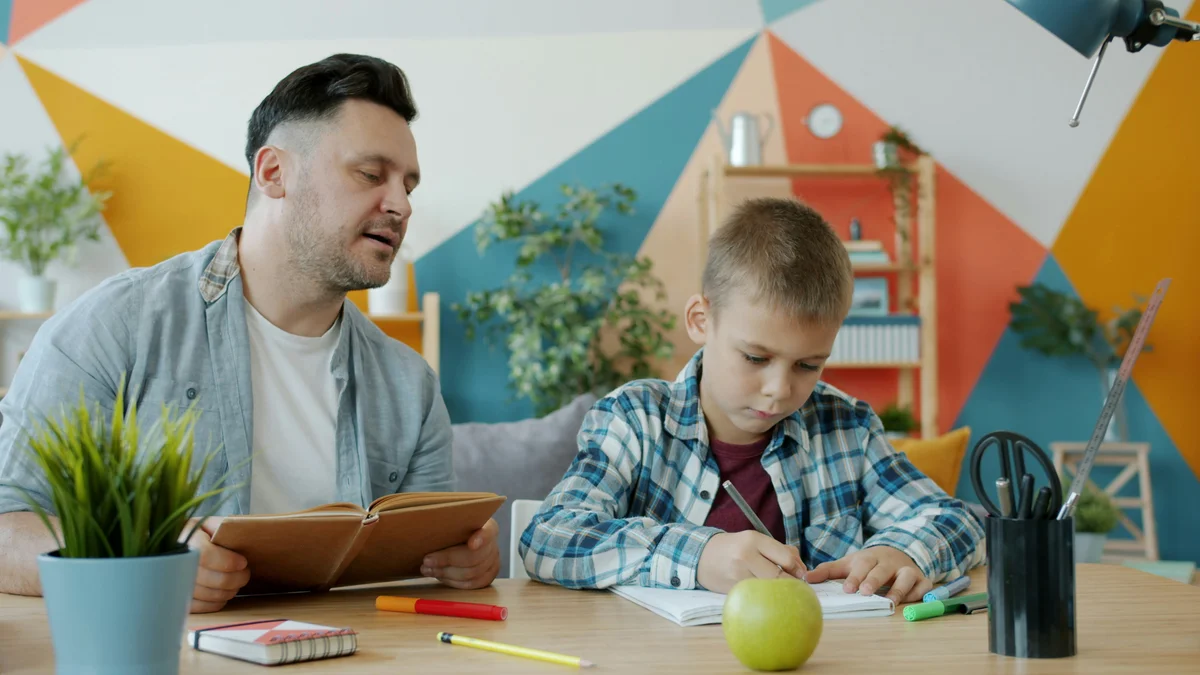
Want to learn how to homeschool in Missouri? You’re in luck—the Show-Me State makes it refreshingly simple. Unlike states that require advance notice or approval, Missouri lets you start teaching at home whenever you’re ready. You have complete freedom to choose your curriculum, methods, and schedule.
According to the Home School Legal Defense Association (HSLDA), Missouri ranks among the most homeschool-friendly states in the country. After helping hundreds of families navigate these laws, we’ve put together this comprehensive 2026 guide covering everything you need to know. By the end, you’ll have a clear roadmap to start your homeschool journey with confidence.

Why Missouri is Great for Homeschooling
From my years of helping Missouri families navigate homeschool regulations, I’ve seen firsthand why families choose this state for home education. The biggest benefit is the lack of bureaucratic hurdles—you don’t need to register with any government agency or submit paperwork to state officials. Additionally, Missouri’s flexibility allows you to customize your child’s education to their unique learning style and pace.
The main challenges families face aren’t legal ones. Instead, most new homeschoolers struggle with choosing curriculum (too many options!) and building a consistent routine. However, these challenges are manageable with proper planning and support from local homeschool communities.
Missouri Homeschool Laws at a Glance
The Show-Me State is a low-regulation state, which means the rules are simple and families have considerable flexibility. As a result, you can teach your way without jumping through bureaucratic hoops.
| Requirement | Details |
|---|---|
| Legal Status | Legal |
| Notification | Not required |
| Approval | Not required |
| Subjects Required | Yes (5 core areas) |
| Instruction Time | 1,000 total (600 in core) |
| Testing | Not required |
| Record Keeping | Required at home |
| Compulsory Ages | 7-17 |
Time Requirements Explained
The state measures education by instruction time. Here’s what you need each year:
- 1,000 total – yearly instruction time
- 600 minimum – in the five core subjects
- 400 minimum – at your home location
While this sounds like a lot, it’s actually very doable. Let me break it down for you.
The 1,000 Time Goal
Plan for approximately 180 school days, similar to public school calendars. This works out to about 5.5 hours of instruction daily—a target most families find surprisingly achievable.
What makes it manageable? One-on-one teaching is remarkably efficient compared to classroom instruction. You cover more material in less time because there’s no waiting for other students, no transitions between activities, and no classroom management issues consuming your day.
Additionally, many activities count toward your total. For example, reading, educational games, field trips, music lessons, science projects, cooking, art, and nature study all qualify. Similarly, sports count as physical education. In other words, you’re probably doing more than you think.
The 600 Core Subject Rule
At least 600 of your time must cover five subjects:
- Reading
- Language arts
- Math
- Social studies
- Science
Over 180 days, that works out to just 3.3 hours daily. Consequently, this requirement is very easy to hit. In fact, most curriculum programs cover more than this minimum, so you’ll likely exceed it without trying hard.
The 400 Home Rule
At least 400 hours must happen at home, but the rest can be anywhere you choose. For instance, field trips, co-op classes, museum visits, library days, nature walks, and science center trips all count toward your total.
As a result, this rule gives wonderful flexibility. You’re not stuck at home all day since learning can happen anywhere. Many families particularly love this freedom.
Getting Started Step by Step
Step 1: Decide to Start
No notification is needed in Missouri. Once you decide, you can start right away without any forms to file, approval to obtain, or waiting period. Furthermore, children under 7 have no requirements at all.
In contrast, consider New York, which requires formal notice and yearly tests. Clearly, the Show-Me State offers a much simpler path.
Step 2: Leave School (If Needed)
Is your child currently in school? If so, simply send a withdrawal letter. Keep it brief since no detailed explanations are needed. Remember, the school cannot say no to your decision.
Sample letter:
Dear [Principal],
I am withdrawing [Child’s Name] from [School Name] on [Date]. We will teach at home under Revised Statutes 167.031.
Please send all records to our home address.
Sincerely,
[Your Name]
Be sure to keep a copy for yourself. Additionally, consider sending by certified mail if you want proof of delivery. Typically, most schools process this without any issues.
Step 3: Pick Your Curriculum
Choose materials for the five required subjects, knowing you have total freedom here. You can use any method you like and any books you want. Moreover, you can mix and match from different publishers since there is no approved list to follow.
For example, some families use complete boxed programs while others mix resources from many sources. Similarly, some prefer online programs, whereas others love hands-on learning with few textbooks. Importantly, all these approaches work fine in Missouri.
Want curriculum tips? Our California guide has great advice. The tips work for any state.
Step 4: Set Up Your Records
You must keep records at home, although no one checks them regularly. However, you need them anyway, so set up your system before you start teaching.
A simple binder works great, and a digital folder works too. The key is consistency—do it daily or weekly rather than waiting for months and trying to remember.
Step 5: Start Teaching
Finally, begin your program and track your time each day or week. Keep your records updated, and consider joining local groups if you want community. That’s really all there is to it.
What Records to Keep
State law requires these records at home:
1. Daily Log or Plan Book
Write what you teach each day, noting the subjects covered and activities done. A sentence or two per subject is enough. For instance, something like “Math: times tables, pages 45-48” works fine.
2. Work Samples Portfolio
Save samples of your child’s work since these show progress over time. Specifically, keep writing samples from throughout the year along with math papers showing different skills. Also save projects and reports, and take photos of hands-on activities and experiments.

However, don’t save everything. Instead, pick good representative samples monthly or quarterly. Remember, quality matters more than quantity.
3. Progress Notes
Write how your child is doing academically—this can be quite simple. Your own notes work fine, as do portfolio reviews. Notably, you don’t need standardized tests unless you want them.
For instance, some families use chapter tests from their curriculum while others evaluate through discussion. Still others do yearly portfolio reviews. Ultimately, choose what fits your family style.
4. Time Tracking
Keep a log of your instruction time. A simple spreadsheet works great. Note dates and time spent each day. By year end, you should show 1,000 total hours.
Records Stay at Home
You never submit these records anywhere since no one reviews them officially. Nevertheless, keep them safe at home and store them for several years. After all, you may need them for transcripts when your child reaches high school age.
Compliance Requirements (What IS Required)
Maintaining compliance with Missouri homeschool law is straightforward. To comply, you simply need to:
- Provide 1,000 hours of instruction per year (600 in core subjects)
- Conduct 400 hours at your home location
- Keep records of attendance, subjects, and work samples at home
- Teach five core subjects: reading, language arts, math, social studies, and science
There’s no annual reporting, inspection, or evaluation required. Your records simply need to exist in case questions ever arise. In practice, most families never need to show their records to anyone.
What’s NOT Required
Home educators here skip a lot of red tape. You do NOT need to:
- Tell the state or school district
- Get your curriculum approved
- Have any teaching degrees
- Give standardized tests
- Submit records to anyone
- Follow public school calendars
- Allow officials to visit
This is huge freedom compared to other states. In fact, some states require yearly reviews and tests or portfolio submissions. By contrast, the Show-Me State trusts parents to manage their own educational programs.
High School and College
Parents issue their own diplomas here. For high schoolers, you should:
- Create a transcript with all courses and grades
- Write course descriptions for each class
- Consider SAT or ACT for college admission
- Look into dual enrollment at local colleges
- Document activities and community service
Fortunately, state universities readily accept homeschool graduates. University of Missouri and Missouri State both have homeschool admission processes. Generally, they want transcripts, test scores, and recommendation letters. Therefore, start preparing these materials in junior year.
Ways to Homeschool in Missouri
Option 1: Teach Independently at Home
Most families choose this path because it offers the greatest autonomy. You teach at home under RSMo 167.031, picking all your own curriculum and methods. Additionally, you handle all record keeping yourself. In essence, this gives maximum freedom with maximum responsibility.
Option 2: Join a Homeschool Co-op
Share teaching duties with other families, where your child attends group classes for some subjects. Parents take turns teaching their strengths—for example, one parent teaches science while another teaches art.
Time at co-ops counts toward your 1,000 yearly total. However, it does not count toward the 400 home location requirement. Therefore, plan accordingly.
Option 3: Use an Umbrella School
Some families want more oversight and support, which is where umbrella schools come in. These organizations provide guidance and structure while helping with records and sometimes curriculum. Although optional, this approach can reduce stress for new homeschoolers.
Option 4: Try an Online School
Virtual schools exist for families wanting more structure. However, note an important distinction: MOVIP is a public virtual school, not homeschool. Consequently, students enrolled there are public school students. Be sure to understand this difference before enrolling.
Missouri Homeschool Resources
State Organizations
- HSLDA – Legal help and resources for families
- State Education Department – Official state info
- Families for Home Education (FHE) – Statewide support organization
Local Support Groups
Fortunately, active groups exist throughout the state:
- St. Louis area – Many co-ops and support groups
- Kansas City area – Western region networks
- Springfield region – Southwest groups and co-ops
- Columbia area – Central community
- Rural areas – County groups statewide
Activities and Sports
Look for local co-ops offering science labs, fine arts, foreign languages, and PE classes. Homeschool sports leagues exist in metro areas. So do drama groups, debate teams, robotics clubs, and academic competition teams.
Special Situations
Special Needs Students
Your child may qualify for some public school services, so contact your local district to ask about options. Interestingly, many families choose homeschooling specifically for children with learning differences. After all, you can tailor everything to your child’s unique needs.
Military Families
Fort Leonard Wood and Whiteman Air Force Base bring military families to Missouri. The state’s no-notification requirement makes starting your homeschool simple upon arrival. You can begin teaching immediately without waiting for approval or filing paperwork.
Military families appreciate Missouri’s flexibility during frequent relocations. Keep thorough records even though the state doesn’t require submissions—your next duty station may have stricter requirements, and good documentation makes transitions smoother.
Dual Enrollment
Take college courses while still in high school. Many community colleges welcome homeschool students for dual enrollment. St. Louis Community College, Metropolitan Community College in Kansas City, and Ozarks Technical Community College all have experience working with homeschoolers. Contact admissions offices early to learn about eligibility and registration procedures.
Returning to Public School
If your child goes back to public school, the school decides grade placement. Good records make this transition smoother. Schools may test your child’s skills first.
Best Practices for Missouri Homeschool Success
After working with hundreds of Missouri homeschool families, I’ve identified several best practices that consistently lead to success:
Start Simple and Build Gradually
Don’t buy every curriculum program in your first year. Start with basics for your five required subjects. Add enrichment over time. I’ve seen families spend hundreds on materials they never use. A better approach? Try library resources first. Borrow from other families. Only buy what you’ll actually use.
Create Consistent Routines (Not Rigid Schedules)
In my experience, successful families use predictable routines—not rigid schedules. Do math after breakfast. Read before lunch. Science in the afternoon. Don’t stress about exact start times. This flexibility works better for bad days, sick kids, and surprise opportunities.
Connect with Your Local Community
Even rural Missouri has thriving homeschool communities. I’ve connected families through co-ops, field trips, and online groups. These connections matter. Kids get socialization. Parents get support. Everyone saves money through curriculum swaps. The FHE organization keeps regional contact lists.
Document More Than Required
Missouri’s record-keeping rules are minimal. But keep thorough documentation anyway. Why? Good records make transcripts easier for college. They prove progress if questions arise. Additionally, they show what’s working in your homeschool. I’ve met too many families who wish they’d documented more from the start.
Common Questions
Must I notify anyone before starting?
No. State law requires no notification. Just start teaching and keep your required records.
How do I track instruction time?
Use a simple log or spreadsheet, tracking either daily or weekly. Be sure to include all educational activities. Most importantly, don’t wait until year end to figure it out.
Can homeschoolers play public school sports?
It depends on your district since some allow it while others do not. Simply call your local school and ask about their policy.
Do I need a teaching degree?
No—no degree, certification, or teaching experience is required. Remember, you know your child best.
What activities count toward instruction time?
Many things count beyond textbook work—for instance, lessons, reading, educational videos, museum visits, music lessons, and co-op classes all qualify. Similarly, sports count as PE and cooking counts for math. Just be reasonable and document what you do.
Start Your Missouri Homeschool Journey Today
Missouri’s straightforward homeschool laws make home education accessible for every family, regardless of experience level. Start by setting up simple tracking systems from day one—even a basic spreadsheet or notebook will serve you well. Connect with supportive communities through Families for Home Education or local Facebook groups to learn from experienced homeschoolers in your area.
Take time choosing curriculum that aligns with your family’s learning style, values, and goals. Remember, you have complete freedom to adjust your approach as you discover what works best for each child. Many Missouri families report that this flexibility becomes the most rewarding aspect of their homeschool journey.
You’re joining thousands of Missouri families who’ve discovered the joy of personalized education. Welcome to the homeschool community!
Curious how Missouri compares to other states? Check out our guides to homeschooling in Texas and homeschooling in Florida for other low-regulation states, or explore homeschooling in Ohio for a neighboring state comparison.
Official Links
- HSLDA Homeschool Laws Page
- State Education Department Info
- Revised Statutes 167.031 – The homeschool law


Leave a Reply