Want to learn how to homeschool in Illinois? Great news! Illinois is one of the easiest states for home education. No forms to file. No tests to take. No one to report to. In fact, Illinois trusts parents to teach their kids with very little oversight.
New to homeschooling? No problem at all. The process here is simple, and this guide shows you how to start in 2026.
Illinois Homeschool Laws at a Glance
| Requirement | Details |
|---|---|
| Legal Status | Legal as private school |
| Notification | Not required |
| Subjects Required | Language arts, math, science, social studies, fine arts, physical education/health |
| Testing | Not required |
| Record Keeping | Not required by law |
| Teacher Qualifications | None required |
| Compulsory Age | 6-17 years old |
Why Illinois Is So Homeschool-Friendly
First, state law sees homeschools as private schools. When you teach at home, you run a private school. So you don’t need to ask anyone for permission.
Also, you won’t file any forms or get inspections. Likewise, you won’t report grades or test scores. Basically, the state trusts you to do your job as a parent.
As a result, many families love homeschooling here. You can use any style you want. Like structure? Great. Prefer child-led learning? Also great. Similarly, Texas and Florida have friendly laws too.
In fact, many families move here for these relaxed rules. Some want strict classical learning. Others want relaxed unschooling. Both work fine in Illinois. Whether you prefer textbooks and worksheets or hands-on projects and field trips, the state gives you complete control over your educational approach.

How to Start Homeschooling in Illinois
Step 1: Just Begin
That’s right—just start teaching! You don’t need to fill out forms or make phone calls. Additionally, there’s no waiting period at all. This surprises many parents who expect a hard process.
However, if your child goes to public school now, tell the school you’re leaving. While you don’t have to do this by law, it stops truancy worries. Essentially, a simple letter or email works fine.
Step 2: Choose Your Curriculum
Next, the law says you must teach certain subjects. However, you pick how to teach them. Your options include:
- Boxed programs like Sonlight or My Father’s World
- Mix-and-match subjects from different publishers
- Online courses and video lessons
- Unit studies that blend multiple subjects
- Unschooling and child-led learning
- Any mix that works for your family
Best of all, no one has to approve your curriculum. So use what helps your child learn best. In practice, many families try a few things before finding what works.
Step 3: Teach the Required Subjects
You must teach these subjects in English:
- Language arts – reading, writing, spelling, grammar
- Math
- Science – biology and physical science
- Social studies – history, geography, civics
- Fine arts – music and art
- Health and PE
Fortunately, most good programs cover all these areas. You don’t need a separate class for each one. For example, a project about Egypt can cover history, art, and writing at the same time.
Step 4: Keep Teaching
Notably, the law doesn’t say how many days or hours to teach. So use your own judgment. Most families follow a schedule like public schools. However, you can adapt as needed.
For instance, some families school year-round with lots of breaks. Meanwhile, others follow a fall-to-spring calendar. Still others let life events shape their schedule. Importantly, all of these approaches are legal.
No Testing Required
Remarkably, you don’t have to give tests. In addition, you won’t submit scores to anyone. Furthermore, you don’t have to prove progress to the state.
However, some families choose to test now and then to:
- Check their child’s progress against grade-level norms
- Find areas that need more work
- Prepare for college entrance exams
- See where their child stands
- Meet rules for sports or special programs
Ultimately, testing is your choice. In fact, many homeschoolers never take a standardized test until the SAT or ACT for college.
Record Keeping Suggestions
Although the law doesn’t require records, keeping some helps you stay organized. Additionally, records prove useful later:
- Track progress – See what you covered each year
- Create transcripts – Needed for college applications
- Document education – Helpful if questions arise
- Stay organized – Plan better for next year
Specifically, consider keeping:
- List of books and materials used
- Samples of your child’s work
- Books read and projects done
- Field trip and activity logs
- Grades or notes you create
- Awards and certificates
Most importantly, store these records in a safe place. Later, you’ll be glad you did when it’s time for a transcript or college application.

Withdrawing from Public School
If your child is in public school now, you can withdraw any time. Even though the law doesn’t require a withdrawal letter, sending one prevents problems.
Basically, a simple note works fine: “I am withdrawing [child’s name] from [school name] to teach at home.” Keep a copy. Also, send it by certified mail if you want proof.
Furthermore, ask for your child’s records when you leave. You may want transcripts, shot records, and any special ed documents for later.
Illinois Homeschool Resources and Support
State Organizations
- HSLDA Illinois Page – legal information and support
- Illinois Home School Association – statewide support network
- State Board of Education – official education website
Regional Support Groups
Notably, active homeschool groups exist across the state:
- Chicago area – Many co-ops and groups in Cook County
- Suburbs – DuPage, Lake, and Will counties have strong networks
- Central region – Springfield, Champaign, Bloomington areas
- Southern region – Groups in Carbondale and Metro East
To find groups near you, search Facebook or ask at your library. Typically, most groups welcome visitors before you join. Therefore, try a few meetings to find the right fit.
Co-ops and Classes
Additionally, many families join co-ops. These groups meet weekly or monthly for:
- Parent-taught classes on a rotating basis
- Hired teachers for subjects like chemistry or Spanish
- Social events and field trips
- Sports teams and arts programs
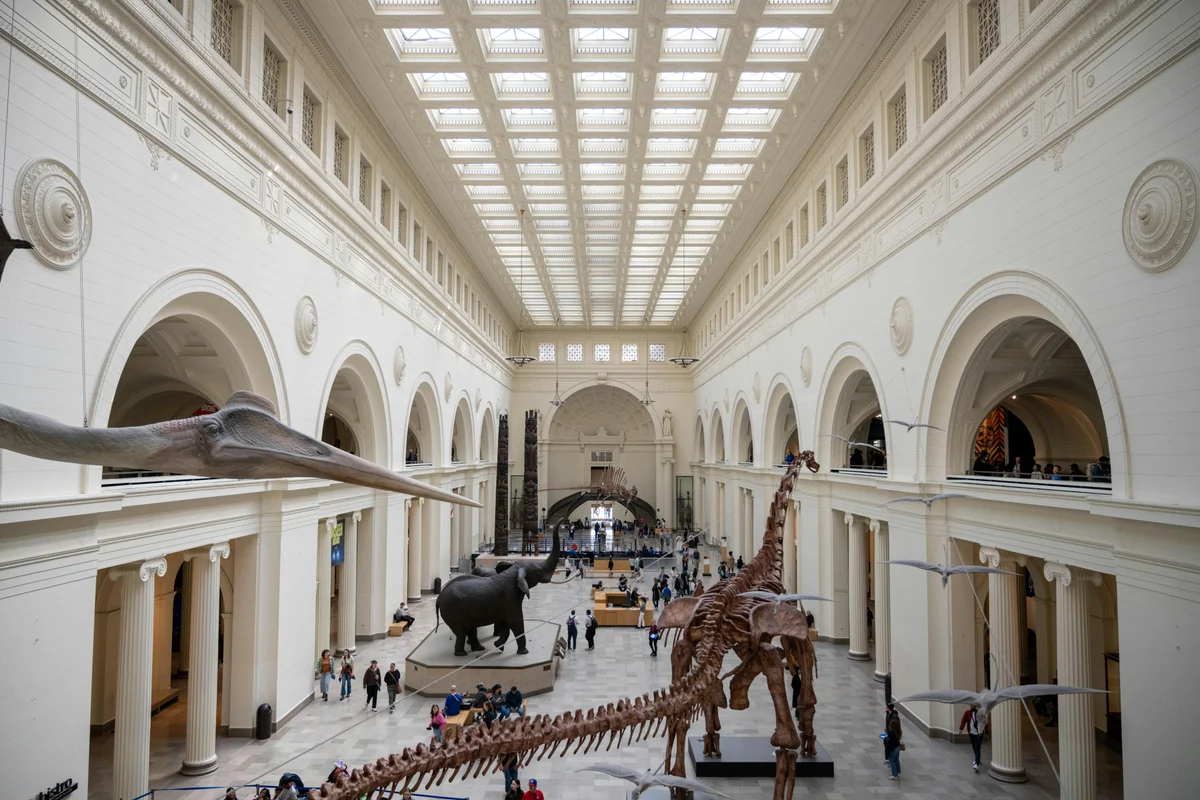
In particular, Chicago-area families have many options. For example, museums, science centers, and cultural spots offer homeschool classes. The Field Museum, Shedd Aquarium, and Art Institute all have programs. Similarly, the Museum of Science and Industry has hands-on workshops too.
Meanwhile, downstate families also find co-ops in Springfield, Champaign-Urbana, and the Quad Cities. Sometimes rural homeschoolers form small groups or connect online with other families.
Special Situations
Military Families
Great Lakes Naval Station, Scott Air Force Base, and Rock Island Arsenal bring military families to Illinois often. Consequently, the state’s simple rules let you start homeschooling right away. You won’t wait for approval or fill out forms.
Moreover, military families like how homeschooling stays the same during moves. Therefore, keep good records even if Illinois doesn’t require them. After all, your next base may have stricter rules, and good records make moves easier.
Dual Enrollment
Interestingly, Illinois community colleges welcome homeschool students. Your teen can earn college credit while still in high school. As a result, this saves time and money later. Many students complete general education requirements before graduating, giving them a head start on their degrees. Simply contact your local college to learn what they require from homeschoolers.
High School and Graduation
Importantly, homeschoolers get real diplomas issued by their parents. You set the rules for graduation. Typically, most families require credits similar to public schools.
For college, prepare:
- Transcript – List courses, grades, and credits by year
- Course descriptions – Short notes on what each class covered
- SAT or ACT scores – Most colleges require these
- Activities list – Sports, service, clubs, achievements
As the home educator, you create the official transcript. First, include course titles, grades, credit hours, and GPA. Generally, most colleges want 4 years of English, 3-4 years of math, 3 years of science, and 3 years of social studies.
Fortunately, state colleges welcome homeschoolers. The University of Illinois, Illinois State, and other public schools know how to work with homeschool students. In fact, many have counselors who understand home education.
Special Needs
Of course, you can homeschool children with special needs. The same freedoms apply. Although you won’t get public school services by default, you have options:
- Private therapists and specialists
- Some districts offer services to homeschoolers (call to ask)
- Special needs homeschool groups and resources
- Online communities for specific learning needs
Indeed, many parents find they can meet their child’s needs better at home. Because of this, the freedom to adjust pace, take breaks, and customize learning works well. This is especially true for kids who struggled in a classroom.
Sports and Extracurriculars
Unfortunately, state law does not require public schools to let homeschoolers play sports. Each district sets its own rules. Therefore, some say yes while others say no.
Nevertheless, you have other options:
- Homeschool sports leagues (common in bigger cities)
- Community rec programs
- Private leagues and clubs
- Church and community groups
- YMCA and park district programs
Happily, Illinois has active homeschool sports groups, especially in the Chicago area. Teams play basketball, volleyball, soccer, and more. In addition, some families use park district programs to get quality coaching.
Important Update: Proposed Legislation
Recently, lawmakers introduced HB2827, called the “Homeschool Act,” in early 2025. If passed, you would need to notify the state each year starting in 2026-2027.
However, as of now, this bill has not become law. Therefore, current rules remain the same—no notice required. Be sure to check with HSLDA for updates on this bill.
Frequently Asked Questions
Do I need to notify anyone to homeschool in Illinois?
No! There’s no notice, registration, or approval needed. Simply start when you’re ready.
Do I need a teaching degree?
Not at all. You don’t need any degree or certificate to teach your own children.
Are homeschoolers required to take standardized tests?
Absolutely not. Testing is not required for homeschool students in Illinois.
Can homeschoolers play public school sports?
It depends on your district. Since the state doesn’t require schools to allow it, contact your local athletic director to ask about their policy.
How do homeschoolers get a diploma?
Essentially, parents issue diplomas from their homeschool. Colleges and employers accept these as real credentials.
Start Your Illinois Homeschool Journey Today
In conclusion, Illinois makes homeschooling as simple as it gets. You won’t deal with paperwork, permissions, or red tape. Instead, it’s just you, your kids, and the freedom to teach how you want.
Now, pick your curriculum. Then gather your materials. Finally, start teaching. That’s all there is to it!
Want to see how other states compare? First, check out our New York guide for strict rules. Alternatively, read about Texas for another easy state. You can also see our guides for Ohio, California, and Florida.
Official Resources
- HSLDA Illinois Homeschool Laws
- Illinois School Code (105 ILCS 5)
- Section 26-1 of the School Code – Compulsory attendance exemptions

Leave a Reply