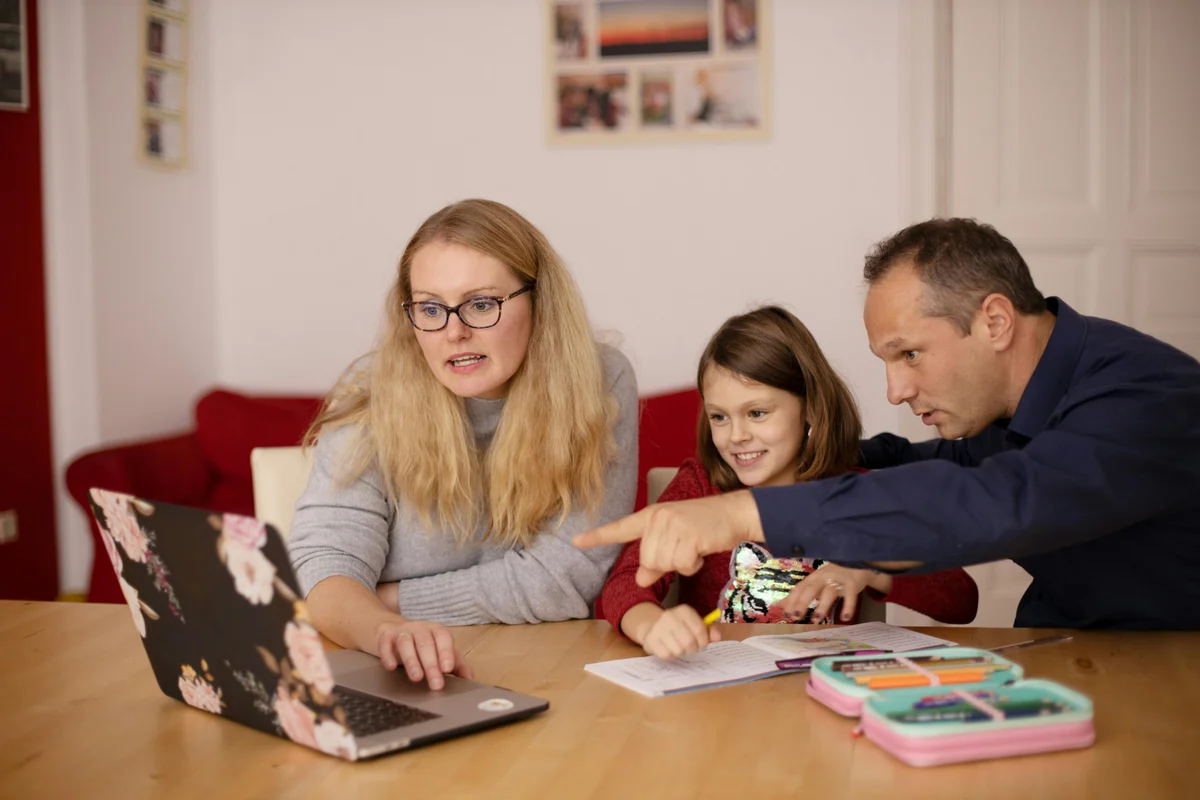
The Private School vs Homeschool Decision
Every parent wants the best education for their child. After careful consideration, you’ve narrowed your options to two compelling choices: private school or homeschooling. Both promise more than traditional public schools offer. However, they deliver that promise through fundamentally different pedagogical approaches and family dynamics.
After 8 years helping families with this choice, I’ve seen hundreds make both decisions. There’s no universal winner here. The right pick depends on your family’s unique situation. We’ll look at costs, test scores, social life, and daily routines. You’ll know which fits best by the end.
If you’re still exploring whether homeschooling fits your family, check out our guide on how to start homeschooling for a complete overview.
Quick Comparison: Homeschooling vs Private School
| Factor | Homeschooling | Private School |
|---|---|---|
| Annual Cost | $500–$2,500 (curriculum only) | $12,000–$35,000+ tuition |
| Time Commitment | 3–5 hours daily (parent-led) | 7–8 hours daily (drop-off) |
| Flexibility | Complete schedule control | Fixed academic calendar |
| Class Size | 1-on-1 instruction | 10–20 students typically |
| Curriculum Control | Full parent choice | School-determined |
| Social Environment | Mixed-age, community-based | Age-segregated, peer-focused |
| Extracurriculars | Community programs, co-ops | On-campus teams and clubs |
| College Preparation | Self-directed with transcript | Built-in counseling services |
| Best For | Families wanting customization | Families wanting outsourced education |
What Factors Matter Most?
Based on my experience consulting with families, I’ve developed an evaluation framework. We look at five key criteria:
- Total Cost – Not just tuition, but all expenses over the K-12 years
- Academic Quality – Measurable outcomes and learning effectiveness
- Social Development – Quality and diversity of social experiences
- Family Lifestyle Fit – How each option affects daily life
- Special Circumstances – Unique needs like giftedness or learning differences
These help us compare fairly. Let’s look at each one.
The Real Cost Difference
Money matters because the gap between these options is substantial. In fact, according to the most recent data, families spend an average of 23 times more on private school than homeschooling. As a result, let’s examine the real numbers in detail.
Private School Costs
The National Association of Independent Schools says median tuition runs about $28,000 per year. Religious schools cost less—$8,000 to $15,000 yearly. Elite prep schools in big cities can top $50,000.
However, tuition is just the start. Additionally, private school families spend $2,000 to $5,000 more each year on:
- Uniforms: $300–$800 per year for required dress code items
- Activity fees: Sports, music, theater, and club costs
- Transportation: Many private schools don’t offer buses
- Fundraising: Galas, auctions, and expected donations
- Technology fees: Device purchases or rental programs
- School trips: Field trips, retreats, and travel opportunities
Overall, for K-12 private school, expect to spend $150,000 to $450,000 total. Furthermore, elite schools cost even more.
Homeschooling Costs
Homeschooling costs vary based on what you buy. Here’s a real breakdown:
Budget homeschooling ($500–$1,000/year):
- Library resources and free online programs
- Used curriculum from homeschool sales
- Basic supplies and minimal outside classes
Mid-range homeschooling ($1,500–$3,000/year) includes:
- Quality boxed curriculum with all materials
- Co-op participation fees
- Some online courses or tutoring
- Field trips and educational memberships
Premium homeschooling ($3,000–$8,000/year):
- Accredited online schools with live instruction
- Private tutors for specialized subjects
- Multiple extracurricular activities
- Educational travel experiences
The hidden cost isn’t money—it’s time. One parent usually cuts work hours to teach. Surveys show that 88% of homeschool families have one parent as primary educator. For some families, this trade-off works great. For others, it doesn’t fit their circumstances. If you’re worried about budget, our guide on how to homeschool on a budget covers cost-saving strategies in detail.
The Financial Bottom Line
Even premium homeschooling costs 75% less than average private school tuition. A family spending $5,000 yearly on great homeschooling saves over $300,000 over 13 years. That’s college tuition, a house down payment, or retirement savings.
Academic Quality: How Do Results Compare?
Both homeschoolers and private school students consistently beat public school averages. However, the underlying reasons differ significantly. Understanding these differences helps you evaluate which approach matches your educational priorities.
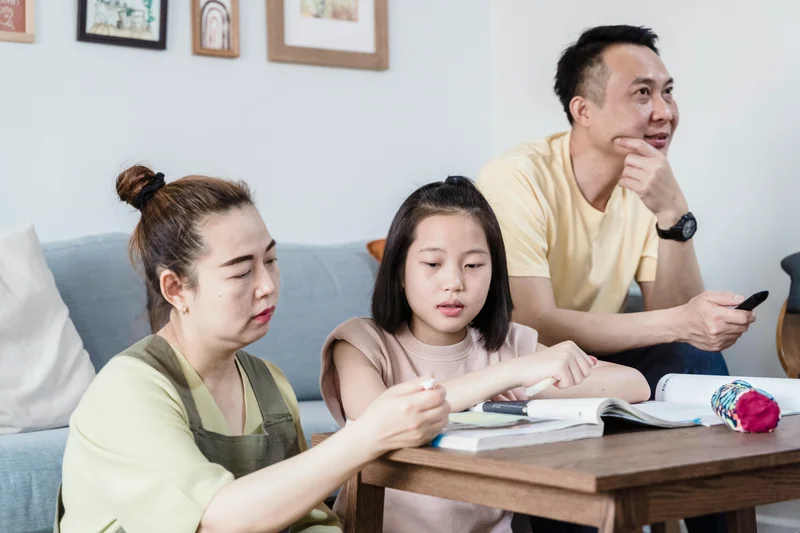
Homeschool Academic Outcomes
Research from the National Home Education Research Institute shows strong results. Homeschooled students score 15–25 points above public school averages on tests.
In my experience reviewing standardized test results from over 200 homeschool families, I’ve seen consistent patterns. According to recent data, homeschool SAT scores average around 1230—about 50 points above the national average. ACT scores average 22.8 compared to 20.8 nationally.
What drives these results? The key factors are:
- Learn at their own pace: Kids move forward only when they truly understand a concept
- One-on-one attention: Parents catch confusion right away and fix it on the spot
- Custom-fit learning: Each child gets materials that match how they learn best
- More actual learning time: Less time on roll call, transitions, and waiting for others
- Following interests: Kids who love what they’re learning dig deeper naturally
The research shows something surprising. Homeschool success doesn’t depend on parent education level. Students with non-college-educated parents do as well as those with highly educated parents. A 2026 study of 16,000 homeschoolers backs this up. It found that parental teaching experience barely mattered. What did matter? Staying involved day after day and using teaching methods that actually work.
Private School Academic Outcomes
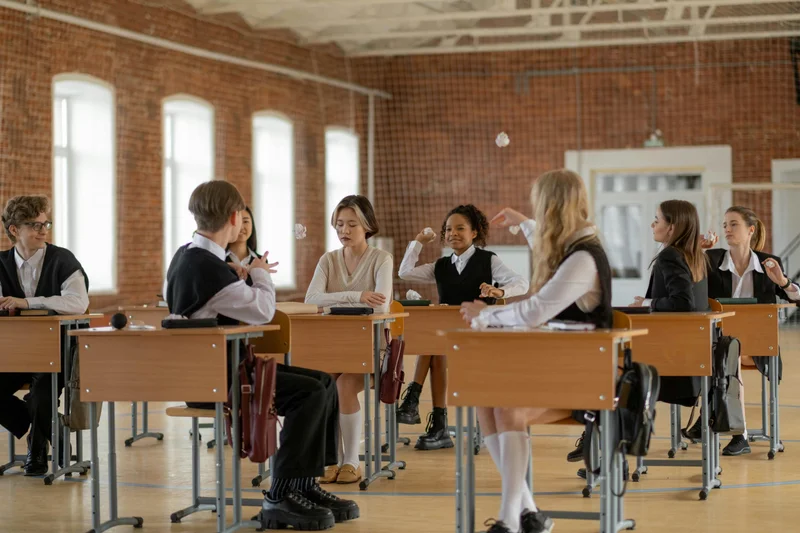
Private school students also beat public school averages. The gap shrinks when you factor in income and parent education. NCES data shows private school students score 10–15 points higher.
Private school strengths include:
- Smaller classes: With 10–18 students instead of 25–30, teachers give more personal attention
- Motivated classmates: Selective admissions mean kids learn alongside other focused students
- Expert teachers: Many private school teachers have advanced degrees in their subjects
- College-prep courses: Schools offer AP, IB, and honors classes that impress colleges
- Better resources: Science labs, big libraries, and up-to-date technology support learning
Notably, elite private schools excel at college placement. As a result, top schools send grads to Ivy League colleges at rates far above average. According to data from the 50 top-ranked private schools, approximately 33% of graduates attend highly selective colleges, compared to 4% nationally.
My Take on Academics
Comparing these groups is tricky because they’re so different. But after working with both for years, one thing stands out clearly. Committed homeschool families get results just as good as—or better than—private school families. They also spend far less money doing it.
The real difference-maker isn’t where kids learn. It’s how involved parents are. Studies show parent involvement explains 86% of how well students do. That matters more than school type, spending per student, or teacher degrees.
Socialization: The Question Everyone Asks
No homeschool talk goes far without this question. As a result, let me show you what social life looks like in each setting. The reality may surprise you, because research consistently challenges common assumptions about homeschool socialization.
Private School Social Life
Private schools offer a built-in peer group. Your child spends 35+ hours weekly with same-age kids. Friendships grow through shared time.
Specifically, private school social features include:
- Daily peer interaction: Structured time with classmates
- Team sports and clubs: On-campus activities build bonds
- School traditions: Dances, games, and assemblies create belonging
- Alumni networks: Lifelong connections extend into careers
Generally, this setting is ideal for social kids. In particular, it suits children who thrive on peer time and group activities.
However, private school has limits. For instance, students mainly mix with peers from similar backgrounds. Moreover, the age-split structure rarely exposes kids to older mentors or younger friends. Meanwhile, intense peer settings can also fuel cliques, bullying, and social pressure.
Homeschool Social Environment
Homeschool social life looks different. But different doesn’t mean worse. In my 8 years working with homeschool families, I’ve seen well-connected homeschoolers develop richer social lives than many traditionally schooled kids. The key is intentional community building.
Homeschool social opportunities include:
- Co-op classes: Weekly gatherings for group instruction
- Community activities: Sports leagues, music groups, and clubs
- Mixed-age interaction: Natural relationships across all ages
- Neighborhood connections: Deeper community roots
- Travel and experiences: Family adventures and real-world learning
Research on homeschool social life shows good results. In fact, studies find homeschooled adults have higher life happiness scores. They show more civic involvement and stronger social skills. Specifically, 71% of homeschooled adults participate in community activities compared to 37% of the general population. They also report better family ties and more confidence in varied social settings.
However, homeschool social life does require more intentional effort. You won’t have a built-in peer group. Therefore, you’ll need to create and maintain connections actively. Some families find this easy, especially in areas with strong homeschool communities. Others need time to adjust to this different approach.
For a deeper look at socialization concerns, see our guide: Is homeschooling right for your family?
The Social Reality
Ultimately, both options provide good social life when families try. Similarly, neither guarantees social success. Above all, your child’s nature and your community links matter more than school setting.
Therefore, I suggest homeschooling for families who value mixed-age bonds and family-centered social life. On the other hand, private school fits families who want peer immersion and classic school experiences.
Flexibility and Lifestyle Considerations
Beyond grades and social life, the daily routine significantly affects your whole family. Consequently, knowing these lifestyle differences helps you pick what works long-term. This is one of the most overlooked factors in the decision-making process.
The Homeschool Lifestyle
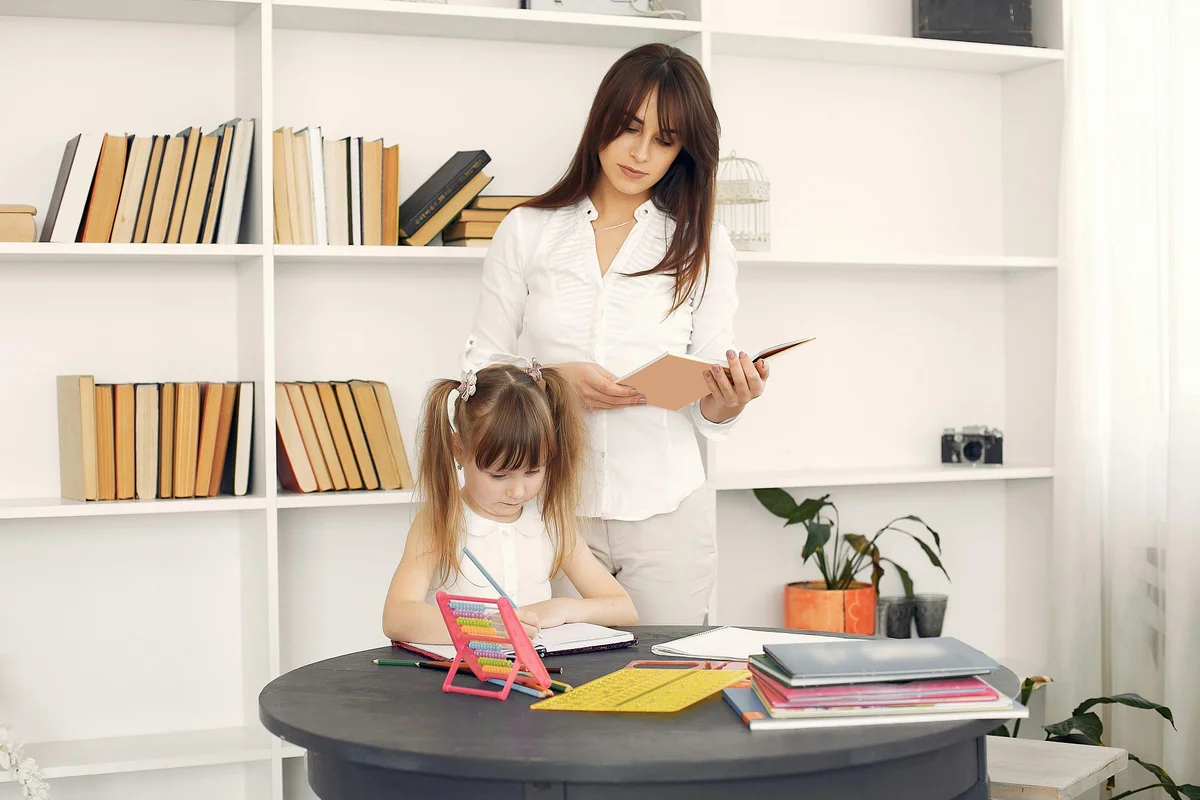
Homeschooling offers total flexibility. But it needs big parent involvement. A typical day might look like:
- Morning: 2–3 hours of focused academics
- Midday: Independent work or hands-on projects
- Afternoon: Extracurriculars, co-op, or free exploration
Key benefits of homeschool flexibility:
- Schedule control: Start at 6 AM or 10 AM—your choice
- Vacation freedom: Travel during off-peak times
- Pace adjustment: Speed up or slow down as needed
- Interest pursuit: Extra time on captivating subjects
- Life integration: Education happens alongside real life
Homeschooling works best when one parent is home during school hours. It suits families who value educational flexibility and enjoy facilitating their child’s learning journey. For single parents considering this path, see our guide on single parent homeschooling for practical strategies.
The Private School Lifestyle
Private school provides structure and expert teaching. But it demands schedule follow-through. A typical day means:
- Morning: Drop-off by 7:30–8:00 AM
- Throughout day: 6–7 class periods with breaks
- Afternoon: Dismissal 3:00–3:30 PM, then activities
- Evening: Homework, often 1–3 hours nightly
Key benefits of private school structure:
- Professional instruction: Trained teachers handle academics
- Built-in accountability: Grades and teacher oversight
- Peer learning: Group projects and discussions
- Schedule reliability: Consistent calendar
- Parent bandwidth: Evenings stay as family time
Private school fits families where both parents work full-time. It suits kids who thrive on outside structure.
Special Situations: Which Option Fits?
In some cases, one option is clearly a better fit. Based on my consulting experience with hundreds of families, here’s my take on specific situations. These recommendations come from watching what actually works for different family types.
Gifted Students
I suggest homeschooling for gifted kids. It lets them speed ahead without age limits. For instance, a gifted 10-year-old can do algebra while reading age-appropriate books. Research shows gifted homeschoolers are 63% more likely to complete college early. Private schools offer gifted programs but often keep grade-level structures that limit acceleration.
Students with Learning Differences
Both options can work, depending on the specific challenge:
- ADHD: Homeschool allows movement breaks and shorter lessons. Additionally, interest-driven learning keeps attention better. Studies show ADHD students often thrive with the flexibility homeschooling provides.
- Dyslexia: Parents can use specialized reading programs at home like Orton-Gillingham approaches. Some private schools also offer excellent learning support services.
- Autism: Home settings give sensory control and predictable routines. This works especially well for kids who struggle with busy, unpredictable spaces.
Alternatively, special private schools exist for learning differences. They may be ideal when families can’t provide specialized support at home. Nevertheless, these schools often cost $30,000-$60,000 annually.
Athletic or Artistic Pursuits
I suggest homeschooling for serious athletes and performers. Flexible schedules fit intensive training and travel. While elite private schools may have sports programs, they rarely match homeschool flexibility for top-level pursuit.
Two Working Parents
Private school is usually easier when both parents work full-time. Homeschooling is doable with creative setups like co-ops and online programs. But it needs significant planning that private school families can skip. For strategies on making it work, see our guide on how to homeschool while working full time.
Strong Religious Values
Both options work well. Religious private schools blend faith with like-minded groups. Homeschooling gives full control over faith teaching. It suits families who want specific beliefs taught.
College-Bound Students
Both paths lead to college success. Private schools offer dedicated college counseling services, official transcripts, and established relationships with admissions offices. Homeschoolers are also welcomed by top colleges, with many institutions actively recruiting homeschool applicants. HSLDA reports similar or better college graduation rates for homeschooled students. For concerns about credentials, see our guide on homeschool accreditation options.
Real Family Examples
To illustrate how different families evaluate these options, here are examples based on common situations I encounter in my work:
The Thompson Family: Chose Homeschooling
Two kids (ages 8 and 11), one parent works from home, budget-conscious. Initially, they considered a local private school at $15,000 per year. After evaluating their situation, however, they chose homeschooling. Now, the flexible schedule lets dad work mornings while mom teaches. Currently, they spend $2,500 yearly on curriculum and activities. As a result, both kids now test above grade level, and the family takes educational trips during off-season.
The Rodriguez Family: Chose Private School
Three kids (ages 6, 9, and 14), both parents work demanding jobs. This family evaluated homeschooling but realized their schedule wouldn’t allow consistent teaching. After weighing their options, they chose a Catholic school at $12,000 per child with sibling discounts. The kids thrive in the structured classroom environment with established curriculum sequences. Parents volunteer when they can but rely on certified educators for daily instruction. For families considering homeschooling multiple children, our guide on homeschooling multiple children explains how to make it manageable.
The Williams Family: Hybrid Approach
One child (age 12), mom works part-time, child is a competitive gymnast. They tried private school but training schedules conflicted. Now they homeschool using an online curriculum that allows flexible pacing. Their daughter completes schoolwork around 15+ hours of weekly training. This approach wouldn’t suit every family, but it’s perfect for their situation.
Making the Switch
If you’re changing systems, here’s what to expect based on families I’ve guided through transitions.
Moving from Public School to Homeschool
The switch typically needs:
- Deschooling time: Give your child 1 month to adjust for each year they spent in regular school
- Pick your curriculum: Research and choose teaching materials that fit your child’s needs
- Follow the law: File any paperwork your state requires for homeschooling
- Set up routines: Create daily and weekly schedules that work for your family
- Find your people: Join co-ops, support groups, and activities in your area

For detailed steps, see our guide on how to withdraw from public school to homeschool. For what to expect during your transition, our first year homeschooling guide covers common challenges and solutions.
Moving from Public to Private School
Private school switch involves:
- Application: Testing, interviews, and papers
- Money planning: Tuition deposits and fees
- Placement testing: To find the right level
- Social fit: Joining an established peer group
- Culture learning: Understanding traditions
Switching Between Homeschool and Private School
Kids going from homeschool to private school may need time to adjust to schedules and peer life. Those leaving private school for homeschool often feel bored at first during deschooling. This passes as they find self-led learning.
Questions to Ask Yourself
Before you decide, honestly weigh these factors.
Family Considerations
- Can one parent be home during school hours?
- What’s your realistic education budget for the next decade?
- How does your child learn best?
- What social environment helps your child thrive?
- How important is schedule flexibility?
Your Child’s Needs
- Does your child need more challenge or more support?
- Is your child highly social?
- Does your child have interests needing flexible scheduling?
- How does your child respond to outside authority?
- What environment brings out your child’s best?
Educational Goals
- What should education accomplish beyond academics?
- How important is your influence on daily values?
- What role do you want in your child’s learning?
- How would you define success for your family?
Frequently Asked Questions
Is homeschooling or private school better for getting into college?
Both paths lead to college success. Private schools offer counseling and known transcripts. But top colleges also welcome homeschoolers. What matters most is grades, test scores, activities, and application quality. Research shows homeschooled students have higher college GPAs and graduation rates.
Can I afford private school on a middle-class income?
Many families stretch for private school tuition. Financial aid is available at most schools, covering 10-40% of costs on average. But total costs often exceed budgets even with aid. In contrast, homeschooling gives similar academic results at a fraction of the cost. It’s worth considering if money is tight or if you want to redirect those funds toward other educational experiences.
Will my homeschooled child be socially awkward?
Research shows homeschooled kids build strong social skills with community ties. Awkwardness isn’t a homeschool trait—it happens in every setting. Well-connected homeschoolers often build more mature social skills than same-age peers in schools.
What if I’m not smart enough to homeschool?
You don’t need fancy degrees to homeschool well. Research consistently shows parent education doesn’t predict homeschool success. Good curricula include detailed teaching guides. Moreover, online resources support every subject. You’re guiding learning, not lecturing—often learning alongside your child. Our guide on common homeschool mistakes helps you avoid typical pitfalls.
How do homeschoolers participate in sports?
Most states allow homeschoolers to join public school sports. Community leagues, club teams, and co-op teams fill gaps. Many elite athletes homeschool. Flexible schedules fit intensive training.
The Bottom Line: My Final Recommendation
After consulting with hundreds of families over 8 years, I can tell you neither option is always better. Each serves different family situations well. Here’s my summary based on what I’ve seen work in practice.
I recommend homeschooling for families who:
- Value flexibility and customization
- Have a parent available during school hours
- Want complete control over curriculum and values
- Prioritize family relationships and individual attention
- Need to accommodate special needs or intensive pursuits
- Prefer significant cost savings
I recommend private school for families who:
- Need full-time professional instruction
- Value peer immersion and traditional experiences
- Can comfortably afford tuition
- Want built-in structure and college counseling
- Prefer outsourcing education to focus on other priorities
Conclusion: Your Family, Your Choice
Ultimately, the best choice fits your family—your values, circumstances, child’s needs, and long-term goals. Both paths can lead to excellent education and thriving children.
Therefore, trust your instincts. Gather the information you need. Then, choose with confidence.
Remember that education isn’t static. Many families switch between options as circumstances change. Your choice today doesn’t lock you in forever. Instead, it starts you on the path that makes sense for your family right now.
Ready to explore homeschooling further? Start with our comprehensive guide on how to start homeschooling. If you’re comparing with public school, see our homeschooling vs public school comparison. And when you’re ready to pick curriculum, our first curriculum guide walks you through the selection process.

Leave a Reply