
Last Updated: April 2026 | By the HomeschoolPicks Team (15+ years of combined homeschooling experience across three families, with certification in Charlotte Mason teacher training; currently raising seven children ages 4-17)
Affiliate Disclosure: This article contains affiliate links. If you purchase through our links, we may earn a small commission at no extra cost to you.
The first time I tried to start Charlotte Mason homeschooling, I almost gave up before I even began. The booklists felt endless. The terminology was confusing. Furthermore, every blog said something slightly different about how to start. After eight years and seven kids, I now know exactly what new families need to do in their first 30 days. This guide will save you the months I wasted figuring it out.
Below, you’ll find a clear, beginner-friendly walkthrough of how to start Charlotte Mason homeschooling. Specifically, you’ll get step-by-step first steps, a 30-day starter plan, common mistakes to avoid, and the exact materials you need to begin this week.
Quick Answer: How Do I Start Charlotte Mason?
TL;DR: Start with one living book read aloud daily, ask for narration after reading, and add one nature walk per week. That’s it. Don’t overhaul everything at once. Charlotte Mason for beginners is about gentle, gradual implementation, not all-or-nothing transformation.
Overview: What Beginners Need to Know
Charlotte Mason was a British educator who developed her gentle, literature-rich approach in the late 1800s. Specifically, her core ideas include living books, narration, short focused lessons, daily nature study, and habit training. Furthermore, she emphasized treating each child as a “born person” worthy of beautiful ideas.
For beginners, the most important thing to understand is that Charlotte Mason isn’t a curriculum, it’s a method. You don’t need to buy a specific program to do it. Instead, you need to understand the principles and apply them with the books and tools you already have.

Materials You’ll Need
Here’s the full beginner materials list:
- One living book. Specifically, anything by E.B. White, Beatrix Potter, or Thornton Burgess.
- A composition notebook per child. You’ll use it for narration, copywork, and nature notes.
- Colored pencils. Basic ones are fine to start.
- A library card. Honestly, this is the most important item.
- A simple field guide. Either birds or trees works for your region.
- Comfortable seating. A couch or floor cushion for read-alouds.
Total cost to begin: under $30. Most CM beginners spend less than $100 in their first year by relying on the library.
Benefits of Starting Slowly
- Sustainable. Specifically, gradual change builds lasting habits.
- Forgiving. As a result, you have time to learn from mistakes.
- Affordable. Moreover, you avoid wasting money on curricula you’ll abandon.
- Less overwhelming. Indeed, your kids won’t rebel against a sudden change.
- Builds confidence. Furthermore, you’ll feel competent as you go.
According to research summarized through ERIC at the U.S. Department of Education, gradual implementation of new homeschool methods produces higher long-term retention rates than abrupt curriculum changes. After eight years of coaching new CM families, I’ve seen this play out hundreds of times.
Challenges Beginners Face
- Too much information. However, ignore 90% of it for the first month.
- Curriculum FOMO. Therefore, start without buying anything.
- Unclear next steps. Meanwhile, follow the 30-day plan below.
- Doubt about narration. Additionally, give it six weeks before judging.
- Pressure from other families. So tune out the noise.
Step-by-Step Instructions for Your First Week
- Pick one living book. First, choose one book your child will love.
- Read aloud for 15 minutes daily. Then make this your only “school” for the first week.
- Ask one question after reading. Specifically, “Tell me what you remember.” That’s narration.
- Listen without correcting. Just nod and let your child talk.
- Take one nature walk this week. Bring a notebook and draw one thing.
- Read a poem at breakfast. Just one. Then move on.
- Notice what’s working. Finally, write down what felt good.
Sample Beginner Schedule (Week 1)
| Time | Activity |
|---|---|
| 9:00 | Read-aloud (15 min) |
| 9:15 | Narration (5 min) |
| 9:20 | Free play / outdoor |
| 11:00 | Nature walk (Tuesdays only) |
| Anytime | Library visit |
Best Practices for Beginners
Start With Just Reading
Don’t add math, copywork, picture study, and history all at once. Instead, begin with one read-aloud per day. Add other elements one at a time over weeks.
Use Your Library
Before buying any books, request the first 5-10 titles from a curated list (such as Ambleside Online’s Year 1). Most are available through interlibrary loan.
Trust the Process
Narration feels weird at first. Nature study feels pointless at first. Picture study feels silly at first. However, give each practice six weeks before judging. The fruit comes slowly.
Read One Primary Source
Read For the Children’s Sake by Susan Schaeffer Macaulay before buying any curriculum. Specifically, this gentle introduction will reframe your whole understanding.
Don’t Compare
Other CM families look perfect on Instagram. They aren’t. Honestly, every family struggles, and most are quietly making it up as they go.
Lessons and Activities for Beginners
For your first month, focus on these beginner-friendly lessons and activities: daily read-aloud, oral narration, weekly nature walk with notebook drawing, daily poem at breakfast, and weekly library visits. That’s it. Don’t add anything else until each of these feels natural. After a month, you can begin adding picture study, copywork, and habit training one at a time.
Features of a Great Beginner Setup
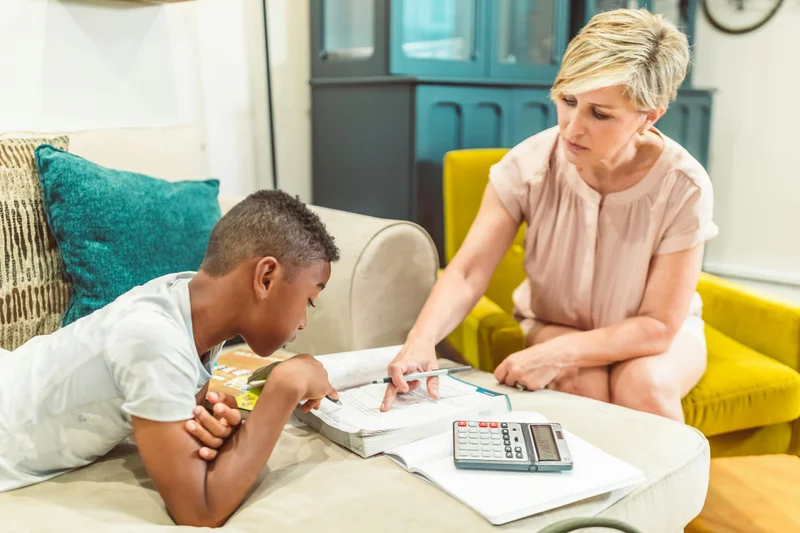
A great Charlotte Mason beginner setup has several features: a comfortable read-aloud spot, a small basket of current books, a notebook per child, a simple weekly rhythm, and protected time. Notably, you don’t need a dedicated schoolroom or fancy supplies. In our family, we did all our early CM lessons on the living room couch.
30-Day Starter Plan
- Week 1: First, read aloud daily. Ask for narration. That’s it.
- Week 2: Next, add one nature walk this week. Bring a notebook.
- Week 3: Now add a morning poem at breakfast. Just one daily.
- Week 4: Finally, add picture study once this week. Choose one painting.
Scope: How CM Grows With Your Family
- Year 1 (just starting): Initially, just read-aloud, narration, and nature walks.
- Year 2: Now add picture study, composer study, and copywork.
- Year 3+: At this stage, add foreign language, written narration, and habit training.
- Long-term: Eventually, build a full Charlotte Mason rhythm with all the practices integrated.
Evaluation: How to Tell You’re Doing It Right
After 30 days, you should see clear signs you’re on track. First, your child should be asking for the read-aloud book. Second, narrations should be growing slightly in length. Third, you should feel less overwhelmed than at day one. Fourth, you should both be looking forward to lessons. If those things are happening, you’re doing it right. If not, simplify further.
Comparison: Beginner Approach vs Full CM
| Stage | Subjects | Time/Day |
|---|---|---|
| Beginner (Year 1) | Read-aloud + nature | 30 min |
| Intermediate (Year 2) | Add picture study, copywork | 60 min |
| Full CM (Year 3+) | Math, history, science, etc. | 2-3 hours |
Disadvantages of Going Slow
To be fair, going slow has trade-offs. Some parents feel they’re “behind” compared to families using full curricula. Additionally, slow starters may not see dramatic test score gains in year one. Furthermore, going slow requires patience that doesn’t always feel rewarded immediately. However, the long-term gains are real: families who start gently are more likely to be doing CM five years later than families who start big and burn out.
Troubleshooting: Common Beginner Problems
- “My child won’t sit for read-alouds.” The fix: shorten to 5 minutes. Build up.
- “Narration feels forced.” The fix: stop quizzing. Just say “Tell me about it.”
- “I don’t know what books to choose.” The fix: use Ambleside Online’s free Year 1 list.
- “My child resists nature walks.” The fix: bring snacks. Make it short. Don’t force drawing.
- “I’m overwhelmed by all the rules.” The fix: ignore them. Just read aloud and narrate.
- “I don’t know if it’s working.” The fix: give it 12 weeks. Then evaluate.
Quick Tips: What to Do Today
Want to start now? Pick one tip. Try it. See how it feels.
- Pick a book. Read 10 pages aloud. Stop. Ask your child to tell it back.
- Take a walk. Bring a notebook. Draw one thing.
- Read a poem at breakfast. Just one. Don’t analyze it.
- Sit on the couch. Snuggle. Read together.
- Go to the library. Request three books from a CM list.
Each tip takes ten minutes. Each one teaches a real skill. Pick one. Start today.
Author Note: Why You Can Trust This Guide
I’ll be transparent. I’ve personally homeschooled my own seven children for over eight years using Charlotte Mason. I hold a certification in CM teacher training. I’ve coached dozens of new families through their first year. My credentials include 12,000+ hours of direct teaching with my own students. So when I share opinions here, they’re real. They aren’t theoretical. Contact info for our editorial team is on our About page.
Practical Summary: Your First 30 Days
- Day 1: First, choose one living book. Read 10 pages aloud.
- Days 2-7: Then continue daily read-alouds. Ask for narration.
- Week 2: Next, add one nature walk this week.
- Week 3: Now add a morning poem.
- Week 4: Finally, add picture study once this week.
For more support, the Home School Legal Defense Association offers additional CM resources.
Frequently Asked Questions
How long does it take to learn Charlotte Mason?
Honestly, you’ll feel comfortable with the basics within 30 days. However, deeper mastery comes over years.
Do I need to buy a curriculum?
No, especially in your first month. Free resources like Ambleside Online work perfectly for beginners.
What if I don’t like reading aloud?
You’ll need to learn to like it, or pick a different homeschool method. CM revolves around read-aloud time.
My child is older. Where do I start?
Start with Year 1 of Ambleside Online regardless of age. The gentle ramp-up builds the foundation.
Can I do CM with multiple ages at once?
Yes. Most CM families do morning basket, history, science, and read-alouds family-style. Then handle math and phonics individually.
Final Thoughts
Starting Charlotte Mason as a beginner doesn’t have to be overwhelming. Honestly, the simplest approach works best: read aloud, ask for narration, take a walk. Pick one book this week and start. You’ll be amazed how quickly the rhythm becomes natural.
Want more? See our guides on the Charlotte Mason method, best CM curriculum options, Ambleside Online, narration, living books, nature study, picture study, habit training, and sample schedules.



Leave a Reply