
Disclosure: This post may contain affiliate links. We only recommend products we’ve personally used.
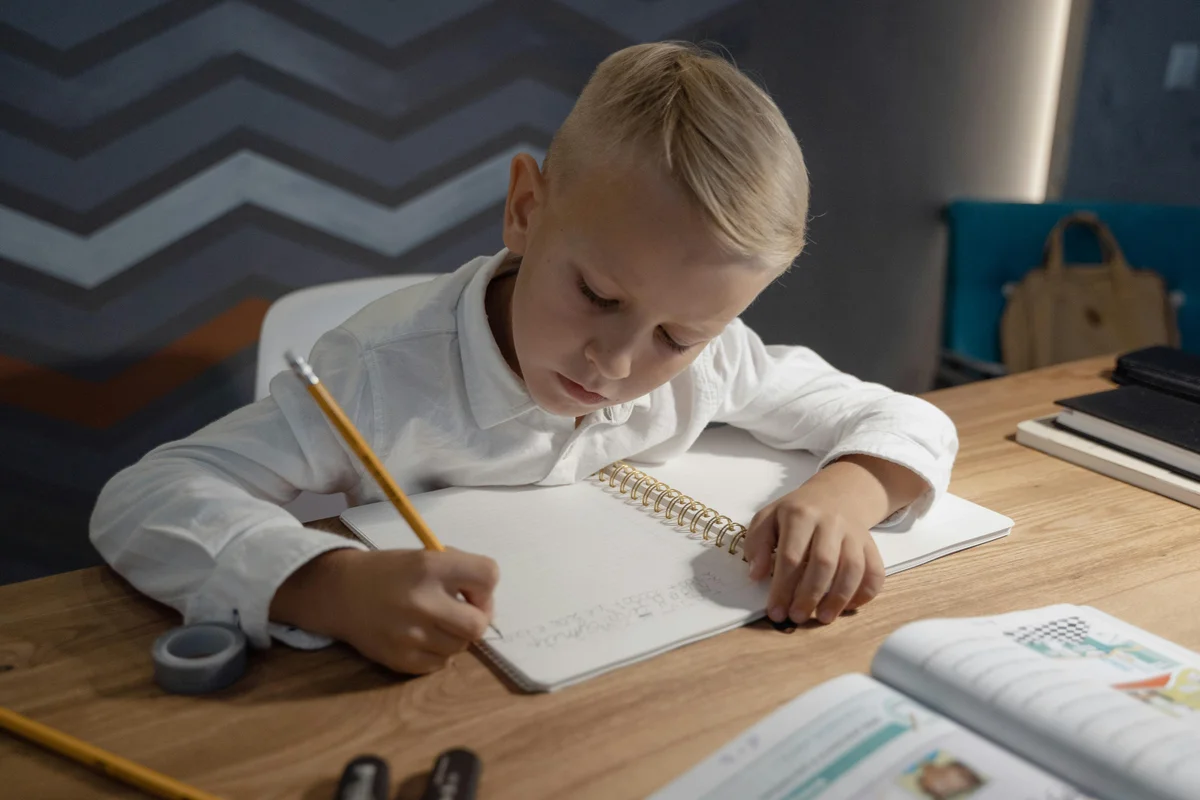
My son used to cry at the mention of writing. Tears. Real ones. Every single time. I tried traditional workbooks, but they made things worse. He hated filling in blanks and following rigid outlines. Sound familiar?
After years of trial and error with three kids, I finally found what works for reluctant writers. This guide shares my top picks for writing curriculum that actually gets resistant kids writing. I’ve tested each one personally.
Why Some Kids Hate Writing
Before diving into curriculum picks, let’s understand the problem. Why do some kids resist writing so fiercely?
Common Causes of Writing Resistance
- Perfectionism – They can’t get ideas on paper because nothing seems good enough
- Physical difficulty – Handwriting is hard, so they avoid all writing
- Overwhelm – They don’t know where to start or what to say
- Past failure – Previous negative experiences created lasting anxiety
- Learning differences – Dyslexia, dysgraphia, or processing issues make writing harder
Understanding why your child resists helps you choose the right approach. A perfectionist needs different support than a child with dysgraphia.
What Makes a Good Curriculum for Reluctant Writers?
Not all writing programs work for resistant kids. Here’s what to look for.
Key Features That Help
- Small steps – Breaking writing into tiny, manageable pieces
- Low pressure – No red marks, no harsh criticism
- Creative freedom – Room for imagination and self-expression
- Oral options – Speaking ideas before writing them
- Success built in – Designed so kids can’t fail
The best programs for reluctant writers remove barriers. They make writing feel safe and achievable.
Our Top Picks at a Glance
| Curriculum | Best For | Age Range | Approach |
|---|---|---|---|
| Brave Writer | Overall pick | K-12 | Lifestyle approach |
| WriteShop | Step-by-step guidance | 3rd-12th | Incremental method |
| IEW | Structure seekers | 3rd-12th | Model-based |
| Writing With Ease | Young writers | 1st-4th | Narration and copywork |
| Cover Story | Creative reluctants | 2nd-8th | Game-based |
1. Brave Writer – Best Overall for Reluctant Writers
If I could recommend only one program for reluctant writers, it would be Brave Writer. Why? Because it completely changes how you think about teaching writing.
What Makes Brave Writer Different
Brave Writer isn’t a workbook. It’s a philosophy. Creator Julie Bogart believes writing should be natural, not forced. The program removes the pressure that makes kids freeze up.
Here’s the core idea: kids already communicate constantly. They tell stories, make jokes, and explain things. Brave Writer captures that natural voice and transfers it to paper.
How It Works
The program uses what Julie calls “freewriting.” Kids write without worrying about spelling, grammar, or structure. Just get words on paper. No corrections. No criticism. Just writing.
Later, you help shape their raw ideas into polished pieces. But only after they’ve already created something. This sequence matters. Create first, edit later.
Why Reluctant Writers Love It
- No red pen corrections on first drafts
- Dictation allowed for kids who struggle with handwriting
- Topics come from the child’s interests
- Short sessions prevent burnout
- Success celebrated at every stage
Potential Drawbacks
Brave Writer requires parent involvement. You can’t hand it over and walk away. Some families also find it too unstructured at first. If you need detailed lesson plans, the adjustment can be challenging.
Best for: Families willing to change their approach to writing instruction completely.

2. WriteShop – Best for Step-by-Step Guidance
Some reluctant writers need more structure, not less. They’re overwhelmed because they don’t know what to do. WriteShop provides clear, detailed steps for every assignment.
What Makes WriteShop Different
WriteShop breaks writing into tiny pieces. Instead of “write a paragraph,” you get specific instructions for each sentence. This removes the paralysis that hits when kids face a blank page.
How It Works
Each lesson focuses on one specific skill. Maybe it’s adding sensory details. Or maybe it’s writing strong opening sentences. Kids master one thing before adding another.
The program also uses brainstorming activities that make generating ideas easy. By the time kids start writing, they already know what to say.
Why Reluctant Writers Love It
- Never staring at a blank page wondering what to write
- Clear instructions remove guesswork
- Multiple drafts are expected and celebrated
- Parent scripts tell you exactly what to say
- Games make brainstorming fun
Potential Drawbacks
WriteShop is highly structured. Creative kids who want freedom may feel restricted. The detailed nature also means lessons take time. Plan for 30-45 minutes per session.
Best for: Kids who freeze up without clear direction and parents who want scripted support.
3. Institute for Excellence in Writing (IEW)
IEW has helped thousands of reluctant writers. The secret? Kids don’t have to come up with original ideas at first. They learn structure using existing content.
What Makes IEW Different
IEW uses model-based instruction. Kids start by rewriting existing passages in their own words. This removes the terrifying “create something from nothing” expectation.
How It Works
Students learn techniques called “dress-ups” and “sentence openers.” These are specific tools that make writing better. Using a checklist, kids include required elements in each assignment.
The structure provides security. Kids know exactly what’s expected. There’s no confusion about whether their writing is “good enough.”
Why Reluctant Writers Love It
- No blank page terror – start with source material
- Clear checklist of requirements
- Video instruction from engaging teacher Andrew Pudewa
- Predictable format reduces anxiety
- Measurable success with each assignment
Potential Drawbacks
The formulaic approach doesn’t suit every learner. Some kids find the checklists tedious. Others feel the structure limits creativity. The program also requires parent investment in learning the method.
Best for: Kids who thrive with clear expectations and measurable goals.
4. Writing With Ease – Best for Young Reluctant Writers
What about young children who already resist writing? Writing With Ease from Susan Wise Bauer offers a gentle, classical approach.
What Makes Writing With Ease Different
This program delays independent composition. Instead, young kids practice copywork and narration. They build skills gradually without the pressure of creating original work.
How It Works
Students listen to quality literature, then retell what they heard. You write their words down at first. Later, they copy sentences from great writers. Eventually, they dictate longer passages.
The progression is slow and gentle. Kids develop writing muscles without realizing it.
Why Young Reluctant Writers Love It
- No pressure to create from scratch
- Short daily lessons prevent overwhelm
- Connection to engaging stories
- Parent does the writing at first
- Gradual skill building
Potential Drawbacks
Kids eager to write their own stories may find copywork boring. The pace is intentionally slow, which frustrates some families. This program works best when you trust the process.
Best for: Young children who aren’t ready for independent composition yet.

5. Cover Story – Best Game-Based Option
What if writing felt like playing a game? Cover Story turns storytelling into an adventure that reluctant writers actually request.
What Makes Cover Story Different
This program uses beautiful illustrated cards to inspire stories. Kids draw cards for characters, settings, and problems. Then they create stories using those elements.
How It Works
Each session starts with drawing cards. The randomness removes pressure. Kids don’t have to think of “perfect” ideas because the cards provide them.
The program includes writing instruction too. But it’s woven into the game naturally. Kids learn story structure while having fun.
Why Reluctant Writers Love It
- Feels like play, not school
- Beautiful cards capture imagination
- No wrong answers with random elements
- Short activities prevent burnout
- Success through fun, not force
Potential Drawbacks
Cover Story focuses on creative writing. If you need formal essay instruction, you’ll need to supplement. The game format also means it doesn’t cover all writing types.
Best for: Creative kids who need writing to feel like play.
Choosing the Right Program for Your Child
With so many options, how do you choose? Consider these questions.
Does Your Child Need More or Less Structure?
Some reluctant writers freeze because they have too much freedom. Others shut down when rules feel restrictive. Which describes your child?
- More structure needed: IEW or WriteShop
- Less structure needed: Brave Writer or Cover Story
- Young and overwhelmed: Writing With Ease
What Causes Their Resistance?
Match the solution to the problem:
- Perfectionism: Brave Writer’s freewriting removes the pressure to be perfect
- Blank page terror: IEW’s source-based writing gives starting material
- Physical writing difficulty: Programs allowing dictation (Brave Writer, Writing With Ease)
- Boredom with traditional methods: Cover Story’s game-based approach
- General overwhelm: WriteShop’s tiny steps
How Much Time Can You Invest?
All these programs require parent involvement. But some need more than others.
- High involvement: Brave Writer, Writing With Ease
- Medium involvement: WriteShop, Cover Story
- Lower involvement with videos: IEW (video instruction available)
Tips for Any Writing Curriculum
Regardless of which program you choose, these strategies help reluctant writers succeed.
Separate Creating from Editing
Never correct spelling or grammar during first drafts. Let kids get ideas down first. Edit later. This single change transforms writing time for many families.
Allow Dictation
If handwriting is the barrier, remove it. Let kids dictate while you type or write. The goal is learning to compose, not building hand strength.
Start Ridiculously Small
One sentence is enough at first. Seriously. One sentence. Then celebrate that sentence. Build from there. Tiny wins create momentum.
Follow Their Interests
Writing about Minecraft? Great. Essays on dinosaurs? Perfect. Pokemon fan fiction? Wonderful. Interest drives engagement. Use it.
Read Good Writing Aloud
Kids absorb language patterns through hearing great books. Read aloud daily. Don’t make it about writing lessons. Just enjoy stories together.
Frequently Asked Questions
At what age should I start formal writing instruction?
Most kids aren’t ready for formal composition until age 8-9. Before then, focus on oral narration and copywork. Pushing too early often creates reluctant writers.
My child hates writing but needs it for school. What do I do?
Start where they are, not where they “should” be. Use dictation if needed. Choose topics they love. Make writing sessions short. Progress will come, but forcing rarely works.
Should I use typing instead of handwriting?
If handwriting causes the resistance, absolutely switch to typing. Composition and handwriting are separate skills. Remove barriers to get ideas flowing first.
How long should writing sessions be for reluctant writers?
Start with 10-15 minutes maximum. Some kids need even shorter sessions at first. Success comes from consistency, not marathon sessions. Better to do 10 minutes daily than 45 minutes once a week.
Will my reluctant writer ever enjoy writing?
Many do! With the right approach and patient support, resistant writers often become eager ones. The key is removing pressure while building skills gradually. Don’t give up.
Can I combine multiple programs?
Yes, many families do. You might use Brave Writer’s philosophy with WriteShop’s structure. Or add Cover Story’s games to any program. Mix what works for your child.
Final Thoughts
Teaching a reluctant writer requires patience and the right tools. The programs in this guide have helped thousands of resistant kids discover that writing doesn’t have to be torture.
Start with understanding why your child resists. Then choose a curriculum that addresses that specific barrier. Give the approach time to work. And celebrate every small victory along the way.
My son who cried at writing? He’s now a teenager who writes creatively for fun. The transformation didn’t happen overnight. But it did happen. With the right support, your reluctant writer can make progress too.
For more curriculum recommendations, explore our best homeschool language arts curriculum guide. The What Works Clearinghouse provides research on effective writing instruction. HSLDA offers additional homeschool support.
Leave a Reply